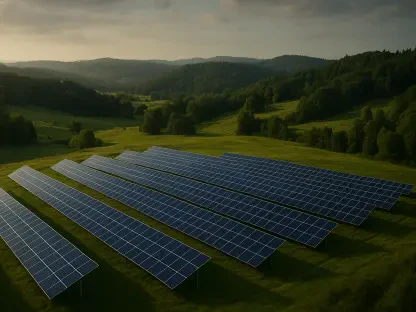

The rapid transformation of the Illinois power grid into a decarbonized system serves as a national blueprint for balancing environmental goals with social equity imperatives. Since the implementation of the Climate and Equitable Jobs Act, the state has moved aggressively to decommission coal-fired plants while ensuring that the resulting economic vacuum is filled by renewable energy investments. This transition represents more than a shift in technology; it is a fundamental reorganization of how energy wealth is distributed across diverse populations. Policymakers have prioritized underserved areas, recognizing that historical environmental injustices must be corrected through targeted funding and mandates. By establishing a framework that mandates 100% clean energy by 2045, Illinois provides a predictable environment for investors and communities. This approach ensures that the path to a carbon-free future does not leave behind residents who have historically shouldered heavy burdens.
Solar Equity Programs
The Illinois Solar for All program remains a cornerstone of the state’s efforts to provide tangible financial relief and environmental benefits to low-income households. This initiative specifically addresses the high upfront costs that often prevent residential solar adoption by offering incentives that cover the majority of installation expenses. By partnering with approved vendors, the program ensures that participants see a significant reduction in their monthly utility bills, often achieving a net savings of at least fifty percent compared to traditional energy costs. Beyond individual rooftops, the program supports non-profit organizations and public facilities that serve these populations, effectively lowering the operating costs for community anchors. This strategic deployment of solar technology creates a localized energy source that reduces reliance on long-distance transmission lines and enhances grid reliability. The focus on direct economic benefits ensures that clean energy is not a luxury item.
Complementing individual rooftop installations, community solar projects have emerged as a vital mechanism for residents who do not own their homes or have suitable roof conditions. These shared solar arrays allow multiple subscribers to receive credits on their utility bills for a portion of the energy produced by a remote solar farm located within the same utility territory. This model is particularly effective in urban centers like Chicago, where high-density housing and older building stock frequently present physical barriers to on-site solar panels. By expanding access to renters and apartment dwellers, Illinois has effectively democratized the renewable energy market. Furthermore, legislation requires that a portion of these community projects be reserved for participants from environmental justice communities, ensuring that the benefits of the clean energy transition are not concentrated in affluent suburbs. This inclusive strategy fosters a sense of collective ownership in the state energy future.
Workforce and Future Transitions
The transition to a sustainable economy requires a skilled workforce, and Illinois has addressed this need through the establishment of regional clean energy workforce hubs. These centers are strategically located in areas facing high unemployment or the closure of fossil fuel plants, providing comprehensive training for high-demand roles in solar installation, wind turbine maintenance, and electric vehicle infrastructure. Rather than focusing solely on technical skills, these programs incorporate wrap-around services such as childcare and transportation assistance to remove barriers for trainees from marginalized backgrounds. By collaborating with community colleges and labor unions, the state has created a pipeline of certified professionals ready to meet the growing demands of the private sector. This investment in human capital ensures that the local economy remains resilient as traditional manufacturing and energy sectors evolve. These hubs represent a commitment to the idea that the green revolution must be powered locally.
Stakeholders took definitive steps to integrate these disparate programs into a cohesive statewide strategy that focused on long-term infrastructure resilience and parity. The expansion of the electric vehicle charging network, particularly in low-income transit corridors, addressed the mobility needs of urban populations while reducing tailpipe emissions. State agencies streamlined the application processes for energy efficiency grants, making it easier for small businesses to modernize their facilities and reduce overhead. Moving forward, the emphasis shifted toward ensuring that the benefits of grid modernization were shielded from market volatility through robust consumer protection laws. Legislative leaders prioritized the development of microgrids to protect critical infrastructure during extreme weather events, which became a standard part of urban planning. These actions demonstrated that a comprehensive approach to clean energy could simultaneously stimulate job growth. The resulting framework provided a stable foundation for future progress.