
The Caribbean archipelago stands at a critical juncture where the dual pressures of economic survival and environmental stewardship necessitate a radical transformation of its aviation infrastructure. As Small Island Developing States (SIDS), these nations face an existential threat from rising sea levels and intensifying storm patterns, yet they remain fundamentally dependent on air travel for tourism, trade, and connectivity. Dr. Dennis McCall Jr., a Kittitian aviation strategist, has introduced a comprehensive framework designed to navigate this paradox by integrating green energy into the very fabric of regional transport. This approach moves beyond traditional mitigation strategies, advocating for a shift where the Caribbean acts as a pioneer in sustainable policy rather than a passive observer of global trends. For these isolated island nations, the modernization of the aviation sector is not merely a matter of technological progress but a vital economic lifeline that ensures long-term resilience.
Bridging the Gap: Regional Policy and Coordination
Fragmented regulatory environments currently hinder the Caribbean’s ability to implement a large-scale transition to sustainable aviation practices across its diverse territories. While the Dutch Caribbean islands have successfully leveraged their structural and political ties with the Netherlands to adopt more stringent environmental standards, other independent nations in the region continue to operate in relative isolation. This lack of a unified strategic vision creates significant barriers to entry for green technologies and discourages the collective investment needed for modern infrastructure. Establishing a central regional body to synchronize sustainability regulations would allow for the pooling of financial and technical resources, effectively mitigating the shared ecological risks that threaten the entire basin. Such a collaborative framework would provide a stable environment for private investors and international agencies to contribute to the region’s decarbonization goals.
Developing a cohesive policy requires moving past the historical silos that have often defined Caribbean governance, particularly in the realm of transportation and logistics. A centralized authority would be tasked with standardizing fuel certifications, emissions reporting, and airport energy management protocols across the various islands. This coordination ensures that smaller nations are not left behind as larger neighbors progress, maintaining a level playing field that promotes regional equity. Furthermore, a synchronized approach enables the Caribbean to negotiate more effectively on the global stage, presenting a unified front in discussions with international aviation bodies and fuel manufacturers. By creating a standardized regulatory landscape, the region can streamline the adoption of sustainable aviation fuels and advanced aircraft technologies, turning a complex web of individual national interests into a robust, collective engine for environmental and economic progress.
Leveraging Innovation: Technological and Governance Reform
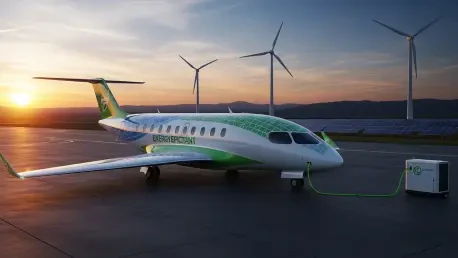
To accelerate progress, regional leaders are looking toward the Pacific Islands, which share similar socio-economic vulnerabilities and geographic constraints. Governance models implemented in the Pacific demonstrate how decentralized populations can maintain high levels of connectivity while adhering to strict environmental mandates. McCall highlights the potential for the Caribbean to leapfrog traditional development stages by adopting localized innovation, such as the conversion of invasive sargassum seaweed into sustainable aviation fuel. This specific technology addresses two environmental challenges simultaneously: it manages the seasonal influx of seaweed that chokes local beaches and provides a homegrown source of low-carbon energy. Furthermore, the region is uniquely positioned to explore hydrogen-powered propulsion for short-haul inter-island flights. By prioritizing these high-tech solutions, the Caribbean can cultivate a specialized energy sector that supports aviation while contributing to broader climate goals.
A critical hurdle to the success of regional aviation was the historical trend of political interference in airline management, which often compromised operational efficiency. McCall emphasized that for a Caribbean carrier to be financially viable and operationally sound, it had to be governed by an independent, merit-based body shielded from government agendas. This “hands-off” political approach ensured that strategic decisions were driven by long-term sustainability goals rather than short-term considerations. Sustainability also addressed social equity, ensuring that air travel remained affordable for the local population through regional subsidy models. With the United Nations designating the current era as the “Decade of Sustainable Transportation,” the Caribbean accessed international funding and technical expertise to modernize its fleet. By investing in specialized education, the region equipped the next generation of professionals to manage an equitable and responsible aviation sector.