
Exporting non-hazardous residues and plastic waste to countries like Austria and Sweden represents a significant loss of potential energy and materials. This persistent logistical challenge stems from a lack of domestic recovery facilities, forcing the nation to transfer millions of tonnes of resources across its borders annually. As of 2026, the volume of special waste, primarily from industrial and construction sectors, has reached approximately 172.1 million tonnes, straining an already fragile processing infrastructure. Germany is currently the primary recipient of these exports, effectively capturing the economic value and energy potential that should be fueling local development. The migration of these materials is not merely a waste management issue; it is a drain on the national circular economy. While municipal waste levels have remained consistent at roughly 29.9 million tonnes, the inability to process specialized industrial residues at home creates a massive missed opportunity for regional sustainability and long-term industrial self-sufficiency.
Analyzing the Economic Strain of Resource Migration
Analyzing the composition of these exports reveals that over 50 percent of the material consists of construction and demolition debris, followed by complex residues from waste treatment and manufacturing operations. When these materials are shipped to northern Europe or Hungary, the recipient nations gain access to low-cost caloric resources for their district heating grids and industrial energy needs. This disparity highlights a structural gap where domestic industries pay premium prices for disposal while foreign facilities benefit from the secondary raw materials. The financial loss is substantial, as the costs associated with international transport and processing fees aggregate into a significant outflow of capital each year. To reverse this trend, there is an urgent need to modernize processing plants and streamline the regulatory hurdles that currently prevent the expansion of local recovery sites. From 2026 to 2028, the focus must shift toward creating a decentralized network of treatment centers capable of turning these specific industrial streams into high-value recycled inputs.
Strategies for Expanding Domestic Treatment Infrastructure
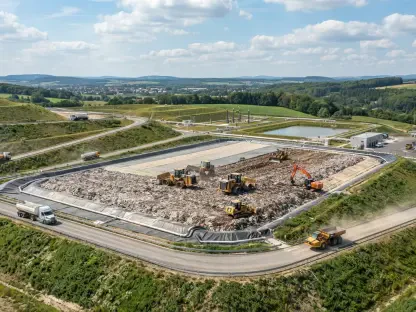
The transition toward a fully integrated circular model required a concerted effort to incentivize the construction of specialized recovery infrastructure across all regions. Authorities began prioritizing the development of high-tech sorting facilities and waste-to-energy plants that met the most stringent environmental standards. By facilitating the “end-of-waste” classification for recycled aggregates and plastics, the government made it economically viable for manufacturers to replace virgin resources with recovered ones. This policy shift encouraged domestic investment and reduced the reliance on volatile international shipping routes for waste disposal. Furthermore, public-private partnerships played a critical role in upgrading legacy systems to handle the increasing volume of non-hazardous industrial residues. The strategic goal was to retain as much material wealth as possible within the national borders to support a resilient manufacturing base. Ultimately, the successful implementation of these measures addressed the systemic deficiencies and successfully curtailed the outflow of valuable resources to foreign processing hubs.