
By issuing formal show cause orders, the Energy Regulatory Commission aims to stabilize the energy sector and protect consumers from the high costs of supply constraints. The Philippines currently faces a complex energy landscape where regional power grids struggle to keep pace with growing demand, particularly in the Visayas and Mindanao areas. The frequent occurrence of “yellow alerts” serves as a stark reminder that the nation’s energy security is precariously balanced on a thin margin of reserve capacity. When power plants fail to operate as scheduled, the resulting shortages force the grid to rely on expensive peak-load facilities or cross-regional imports, which directly inflates electricity bills for millions of households. This aggressive regulatory intervention by the ERC represents a necessary shift toward ensuring that private utility providers prioritize maintenance and operational integrity over short-term financial gains, thereby safeguarding the public interest during a period of critical industrial growth and modernization.
Accountability and the Enforcement of Reliability Standards
The enforcement actions announced on November 4 involve a comprehensive review of reliability performance standards that every generation company must meet to ensure a stable national grid. By narrowing the focus to thirteen specific generation companies that have consistently exceeded the maximum allowable downtime, the commission has signaled that “Equivalent Unplanned Outages” will no longer be tolerated as a standard business occurrence. These companies now face the legal obligation to justify why their facilities were offline beyond the mandated limits for unscheduled repairs. The regulatory framework established for 2026 emphasizes that while technical malfunctions are inevitable in high-capacity machinery, the frequency and duration of these incidents suggest a pattern of negligence or inadequate investment in infrastructure. Forcing these firms to respond through formal show cause orders ensures that every hour of lost production is accounted for, creating a transparent record that will serve as the basis for future penalties.
This current crackdown is not an isolated event but rather the culmination of an extensive investigative process that began in mid-2026 to evaluate the technical health of the entire Philippine power generation fleet. After meticulously auditing the performance records of twenty-five companies and forty-eight separate generating units, the Energy Regulatory Commission identified clear deviations from established reliability benchmarks. The objective nature of this investigation ensures that the focus remains on technical performance rather than political motivations, with a strict adherence to due process that allows companies to present their findings and corrective action plans. By demanding verified explanations for these failures, the ERC is building a robust legal foundation to impose significant penalties on those who have jeopardized the stability of the power grid. This movement toward more stringent oversight reflects a broader strategy to transition the energy sector into a more resilient and accountable marketplace for all stakeholders.
Regional Impact and the Fragility of Grid Infrastructure
The critical nature of these regulatory measures is underscored by the recurring “yellow alert” statuses that have plagued the Visayas power grid, indicating a dangerously low operating margin for contingency reserves. Recent data suggests that the forced outages of twenty-two generating plants, combined with the reduced capacity of nineteen others, have left the regional grid with a reserve margin of a mere 213 megawatts. Major facilities operated by firms such as Therma Visayas Inc. and Palm Concepcion Power Corp. have experienced significant downtime, forcing the region to rely heavily on energy imports from the Luzon and Mindanao grids. This dependency not only strains the physical transmission infrastructure but also creates a volatile pricing environment where consumers are forced to absorb the costs of transporting power across islands. Without the immediate return of these local units to service, the risk of “rotational brownouts” remains high, threatening the daily lives of residents and businesses.
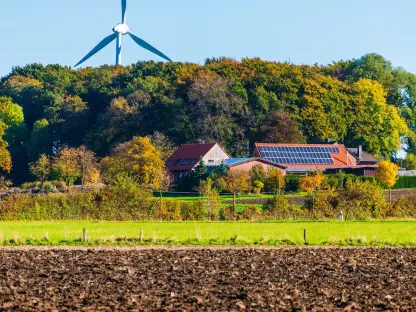
To move forward, the resolution of these regulatory challenges required a shift where the integration of distributed energy resources and renewable sources was accelerated to reduce the country’s reliance on large plants prone to failures. Investors in the power sector began viewing reliability not just as a regulatory hurdle but as a fundamental component of their operational viability. Public-private partnerships played a vital role in funding the necessary upgrades for transmission lines and sub-stations, ensuring that the power generated was delivered efficiently to high-demand areas. As the 2026 regulatory cycle concluded, the focus remained on building a power grid that was capable of meeting demands while remaining resilient enough to handle a changing energy landscape. By fostering a culture of accountability and innovation, the Philippines secured its economic future and provided its citizens with the dependable energy infrastructure they deserved, effectively ending the cycle of chronic grid instability and high power costs.