
The national strategy involves a massive leap in wind and solar capacity from current levels of 45 gigawatts to a projected 175 gigawatts by the year 2040. This ambitious trajectory forms the backbone of the “National Energy 2040” roadmap, a comprehensive policy framework recently unveiled by Energy and Natural Resources Minister Alparslan Bayraktar to reshape the nation’s economic and environmental future. By positioning this transformation at the heart of the “Century of Türkiye” vision, the government seeks to fundamentally alter a landscape currently burdened by high import costs and volatile global markets. The strategy represents a significant escalation from previous objectives, responding to the geopolitical shifts of the mid-2020s and the increasingly urgent demands of international climate agreements. Through a combination of aggressive renewable adoption and strategic infrastructure modernization, the plan aims to secure a self-reliant energy future that balances industrial growth with sustainability.
Path Toward a Resilient Energy Mix
Foundation of the 2040 Vision
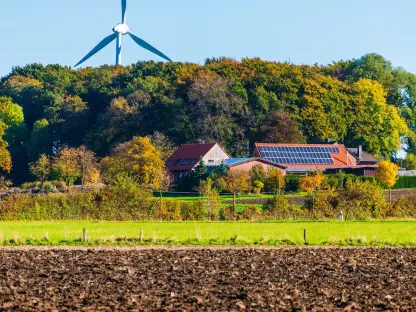
A primary focus of this strategic shift involves harnessing the natural geographical advantages of the Anatolian peninsula to drive a substantial increase in renewable energy penetration. Currently, the share of renewable sources in the total installed capacity stands at approximately 63 percent, but the 2040 roadmap seeks to elevate this figure to an impressive 77 percent. This transition is not merely about environmental stewardship; it is a calculated economic move to utilize the most competitive and scalable domestic power sources available. By prioritizing solar and wind energy, the ministry aims to insulate the national economy from the price fluctuations of global fossil fuel markets. This expansion requires a steady, annual rollout of new projects, ensuring that the energy grid becomes increasingly green while supporting the high electricity demands of a growing industrial sector. The move reflects a broader commitment to sustainable development and a reduction in the current account deficit.
The integration of nuclear power serves as the second critical pillar, providing the necessary base-load stability that intermittent renewable sources cannot guarantee on their own. The government remains steadfast in its commitment to making nuclear energy a permanent and expanding component of the national energy mix, aligning with international pledges to triple global nuclear capacity by the middle of the century. Beyond the major developments currently underway at the Akkuyu site, the strategic plan emphasizes the importance of diversifying nuclear technology, including the potential for small modular reactors to support localized industrial hubs. This approach ensures that the pursuit of a zero-emission grid does not compromise the reliability of the power supply during peak demand periods. By establishing a robust nuclear foundation, the nation aims to achieve a sophisticated energy balance that supports both its climate goals and its long-term energy security objectives.
Efficiency and Resource Exploration
To effectively manage the expected surge in demand, the strategy prioritizes energy efficiency as a means of decoupling economic expansion from total energy consumption. This involves a comprehensive industrial transformation where advanced technologies and innovative financing models are utilized to curb unnecessary power usage across various sectors. The government aims to implement stringent efficiency standards for manufacturing plants, commercial buildings, and residential developments, ensuring that every unit of energy produced is used as effectively as possible. By focusing on demand-side management, the ministry expects to see a significant reduction in the total projected energy load, which is essential for maintaining a stable and affordable energy market. These efficiency measures are viewed as a “first fuel,” providing a cost-effective way to reduce the overall environmental footprint of the economy while simultaneously enhancing the competitiveness of Turkish businesses on the world stage.
While the long-term vision is firmly rooted in decarbonization and renewable growth, the ministry acknowledges that traditional fossil fuels will continue to play a role in the medium term. Consequently, the 2040 plan includes intensified efforts for domestic oil and natural gas exploration to mitigate the immediate economic burden of energy imports. This dual-track approach allows the nation to bolster its energy sovereignty while the necessary infrastructure for a full green transition is being constructed. Furthermore, a dedicated roadmap for the mining sector is expected to be finalized by 2027, with a specific emphasis on extracting critical minerals required for high-tech energy components. As the global transition toward electrification accelerates, securing a domestic supply of minerals like lithium, cobalt, and rare earth elements becomes a strategic necessity. This focus on domestic resources ensures that the energy transition supports local industry rather than increasing dependence on foreign supply chains.
Financial Commitments and Infrastructure Expansion
Scaling National Power Infrastructure
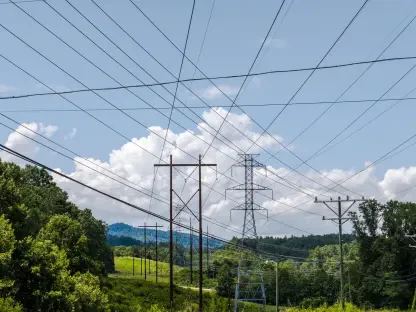
The physical realization of these goals requires an unprecedented overhaul of the national electrical grid and power generation facilities. Total installed power capacity is projected to rise from the current 123 gigawatts to a staggering 281 gigawatts by 2040, a target that necessitates rapid construction and modernization. To facilitate this expansion, the government envisions a total investment of approximately $190 billion over the next fifteen years. The vast majority of these funds, roughly 95 percent, are earmarked specifically for zero or low-emission energy sources, signaling a definitive move away from traditional coal-fired power. This massive capital injection is expected to come from both public and private sources, requiring a stable regulatory environment to attract international and domestic investors. The modernization of the grid is equally critical, as the current infrastructure must be upgraded to handle the influx of variable energy from decentralized renewable projects and the rising demand from high-power users.
This financial commitment represents a fundamental shift in national priorities, placing energy infrastructure at the center of the broader economic development strategy. The projected $190 billion investment will not only fund new power plants but will also support the development of smart grid technologies and advanced energy storage systems. These storage solutions are vital for managing the fluctuations inherent in wind and solar power, ensuring that excess energy produced during the day can be utilized during peak night-time hours. Furthermore, the government is focusing on streamlining the bureaucratic processes for energy projects to ensure that development timelines are met. By fostering a high-growth environment for clean energy, the nation aims to create a more resilient and technologically advanced power sector that can serve as a model for emerging economies. The ultimate goal is to create an energy system that is not only self-sufficient but also capable of supporting long-term economic stability.
Wind, Solar, and Nuclear Ambitions
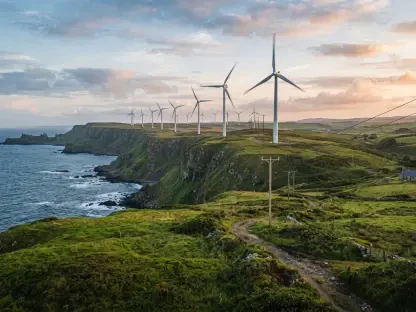
The specific targets for renewable energy are particularly aggressive, with wind and solar capacity expected to reach 175 gigawatts by 2040. This represents a nearly fourfold increase from current levels, requiring a sustained effort to identify and develop new sites across the country. A major component of this expansion includes the country’s first significant foray into offshore wind energy, with an initial target of 6 gigawatts. The inaugural tender for these offshore projects is scheduled for April 2027, marking a pivotal moment in the nation’s maritime energy strategy. These projects are expected to benefit from high wind speeds in the Aegean and Black Sea regions, providing a powerful new source of clean electricity. By diversifying the types of renewable projects, the government can maximize land use efficiency and tap into varied weather patterns to ensure a more consistent energy output. This multi-faceted approach to renewables is essential for meeting the high-capacity targets set by the ministry.
In addition to the renewable surge, the nuclear sector is slated for strategic growth that extends far beyond the current construction phases at Akkuyu. The 2040 roadmap calls for the addition of another 5 gigawatts of nuclear capacity, serving as a vital bridge toward a much larger objective of 20 gigawatts by the 2050s. This long-term planning ensures that the country develops a workforce and a supply chain capable of supporting a sophisticated nuclear industry. The government is actively exploring partnerships with international technology providers to ensure the most modern and safest reactor designs are utilized. By integrating nuclear power with large-scale renewable projects, the nation can achieve a balanced energy portfolio that minimizes carbon emissions while maintaining a robust and reliable supply for the industrial sector. This commitment to nuclear expansion underscores the recognition that a diverse energy mix is the most effective path toward achieving true energy independence and meeting future international climate obligations.
Technological Integration and Economic Impacts
Driving Efficiency Through Electrification
A central theme of the 2040 strategy is the comprehensive “electrification” of the Turkish economy, which aims to increase the share of electricity in total final energy consumption to 36 percent. This transition is being driven by the rapid emergence of new demand sources, most notably the widespread adoption of electric vehicles and the expansion of data centers that power the digital economy. The government is also prioritizing the installation of industrial heat pumps and the development of electrolyzers for green hydrogen production, which can decarbonize heavy industries that are difficult to electrify directly. By shifting the energy base from petroleum-based fuels to electricity generated from domestic sources, the nation can significantly reduce its carbon footprint. This shift also enhances energy security, as electricity can be produced from a variety of local sources, whereas petroleum remains largely dependent on international markets and vulnerable supply chains.
The broader objective of this electrification drive is to achieve inherent efficiency gains that naturally lower the total energy demand. The ministry projects that through these measures, the nation’s total energy demand will drop from a projected 230 million tons of oil equivalent to 199 million tons. This reduction is achieved because electric motors and systems are significantly more efficient than their internal combustion or thermal counterparts. For example, the widespread use of electric vehicles reduces the total energy required for transportation, while heat pumps offer a more efficient alternative for residential and industrial heating. By focusing on these high-efficiency technologies, the government can support economic growth without a corresponding increase in raw energy consumption. This strategy not only helps in meeting climate targets but also reduces the overall cost of energy for consumers and businesses, fostering a more sustainable and economically viable national energy landscape.
Fiscal Impact and Future Infrastructure
The transition to a self-sufficient energy system is expected to yield profound fiscal benefits, with projected savings of approximately $240 billion for the national economy by 2040. This massive financial windfall stems from a drastic reduction in the annual energy import bill, which has historically averaged between $65 billion and $70 billion. By replacing foreign fuel purchases with domestically produced renewable and nuclear power, the nation can redirect these substantial funds toward other critical areas of development, such as education, healthcare, and technology. Furthermore, the roadmap emphasizes the necessity of domestic manufacturing for energy equipment, aiming to ensure that the $100 billion planned for wind and solar projects stimulates local industrial growth. This focus on localized production is expected to create thousands of high-skilled jobs and foster a robust domestic supply chain, turning the energy transition into a powerful engine for national economic prosperity.
To manage the complexities of this new energy landscape, the integration of artificial intelligence and advanced digital tools is highlighted as a fundamental necessity. These technologies will be essential for balancing the variable supply from renewable sources with the fluctuating demands of an electrified economy, optimizing the grid in real-time. The use of artificial intelligence can improve demand forecasting, enhance the maintenance of energy infrastructure, and ensure the efficient operation of decentralized energy systems. Moreover, the strategy focuses on building a resilient and flexible grid capable of absorbing the technological shifts of the coming decades. By leveraging these digital advancements and fostering a strong domestic manufacturing sector, the nation aims to transform itself into a regional energy powerhouse. The successful execution of this plan will not only secure a cleaner and more independent energy future but will also position the country as a leader in the global transition to a sustainable economy.
Securing a Sustainable Energy Future
The national strategy established a clear path toward achieving energy independence by prioritizing a diverse and technologically advanced power sector. Officials successfully integrated large-scale renewable projects with a growing nuclear foundation, which stabilized the national grid and reduced the country’s reliance on external fuel suppliers. This transformation was supported by a massive $190 billion investment framework that modernized infrastructure and fostered domestic manufacturing, creating a more resilient economic environment. By focusing on electrification and the deployment of artificial intelligence for grid management, the government effectively managed the complexities of a modern energy system while delivering significant fiscal savings. Moving forward, the focus must remain on maintaining the pace of infrastructure development and ensuring that regulatory frameworks continue to attract the necessary capital. These actions provided a solid foundation for long-term sustainability and established the nation as a proactive leader in the global shift toward a low-carbon economy.