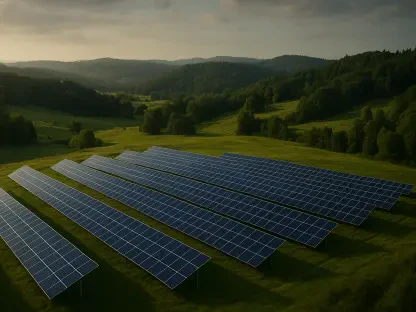

Despite two-thirds of Utah’s electricity still originating from fossil fuels, solar energy managed to surpass both coal and natural gas during peak production months in 2026. This monumental shift signals a turning point for the Intermountain West, a region historically defined by its reliance on traditional extraction industries. In May 2026, the United States energy sector witnessed a series of significant milestones as solar power emerged as the primary source of electricity in states as diverse as Maine, Massachusetts, and Utah. According to recent data from the clean energy think tank Ember, these local breakthroughs are indicative of a broader national trend where renewable infrastructure is beginning to displace carbon-heavy systems. While the transition remains gradual on a nationwide scale, the emergence of solar as a dominant monthly producer in multiple geographic regions highlights how rapidly the utility grid is evolving. Policy shifts and technological maturity have finally allowed clean energy to challenge the status quo.
Analyzing the Solar Shift: Leading States in Transition
Massachusetts and Maine are providing a blueprint for how different economic and environmental pathways lead to the same renewable conclusion. In Massachusetts, the ascendancy of solar was largely driven by a sharp decline in natural gas usage as the state prioritized grid modernization and aggressive decarbonization targets. Conversely, Maine’s success showcased the effectiveness of integrating solar into a highly diverse energy mix that already benefits from significant wind and hydropower resources. This multi-faceted approach allowed solar to edge out traditional gas-fired generation, proving that a diversified renewable portfolio is resilient enough to carry the bulk of the load. These New England states have demonstrated that even regions without year-round desert sun can leverage solar technology effectively through strategic planning and infrastructure investment. By reducing the reliance on imported gas, these states are also securing more stable energy prices for their citizens during peak demand periods.
Utah presents perhaps the most surprising case study in this transition, given its deep historical ties to coal mining and natural gas production. The fact that solar power narrowly surpassed these traditional fuels marks a cultural and economic shift that few analysts predicted would happen so quickly. This achievement proves that renewable infrastructure has finally reached a scale where it can successfully challenge the dominance of fossil fuels during the longest days of the year. The rapid deployment of large-scale solar farms across the state’s sun-drenched basins has created a new economic engine that operates alongside traditional industries. This transition is not merely about environmental stewardship; it is also about the practical economics of energy production as solar installation costs continue to decrease. As Utah continues to integrate more storage solutions into its grid, the temporary lead seen in the spring and summer months could eventually become a year-round reality, fundamentally altering the energy profile of the entire Western United States.
The Broader Landscape: Mapping National Clean Energy Trends
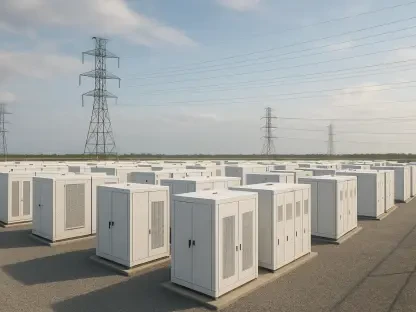
Beyond the immediate headlines from Utah and New England, the wider landscape of the American power grid is undergoing a similar transformation. California continues to serve as the national heavyweight in this arena, with solar energy regularly accounting for more than half of its total electricity output. The sheer scale of California’s solar adoption has forced utility operators to develop sophisticated grid management techniques that are now being exported to other states. This progress is not limited to the sun belt, as the integration of advanced battery storage and smart grid technology allows for more consistent delivery of clean power regardless of the time of day. The success in California provides a roadmap for how large economies can function while significantly reducing their carbon footprint. As more states adopt these technologies, the collective impact on the national energy mix becomes increasingly profound, pushing fossil fuels further into a secondary role within the broader domestic power generation market.
While solar takes the lead in many regions, other states are effectively leveraging their unique local climates to bolster the renewable total. In Iowa and Kansas, wind power has become the primary source of electricity, demonstrating that the Great Plains serve as a vital corridor for the country’s energy future. This regional diversification ensures that the national grid is not overly dependent on a single type of renewable resource. From the windy plains of the Midwest to the water-rich regions of the Pacific Northwest, different geographic areas are building sustainable power structures that reflect their environmental strengths. This patchwork of green energy sources creates a more robust and resilient national system that can better withstand localized disruptions. The coordination between these various renewable hubs is essential for maintaining a steady supply of power as the country moves away from centralized fossil fuel plants. This transition is redefining American energy independence through the use of locally harvested, inexhaustible natural resources.
Economic Synergies: Integrating Agriculture and Solar Power
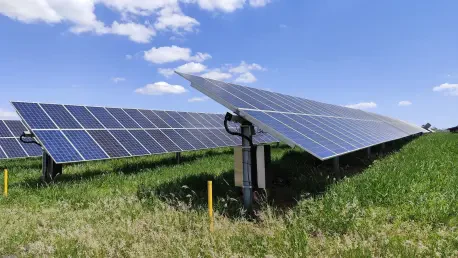
The rise of solar energy is fostering a unique partnership with the American agricultural sector through the innovative practice known as agrivoltaics. By integrating solar arrays directly onto active farmland, owners are discovering that the panels provide more than just electricity. In arid climates, the shade provided by these installations helps the soil retain critical moisture, reducing the need for intensive irrigation and protecting crops from extreme heat. This synergy allows farmers to maximize the utility of their land, producing food and energy simultaneously. Research into this field has shown that certain crops actually thrive under the diffused light of solar panels, leading to higher yields in environments that would otherwise be too harsh for traditional farming. This dual-use strategy is transforming the perception of solar farms from land-consuming eyesores into vital tools for agricultural resilience. As these projects become more common, they are providing a blueprint for how rural communities can adapt to a changing climate while remaining economically viable.
Financial stability for rural landowners is further bolstered by solar grazing and the ability to sell surplus power back to the grid. Solar grazing involves using livestock, particularly sheep, to maintain the vegetation around solar installations, providing farmers with additional income while reducing the maintenance costs for energy companies. This symbiotic relationship ensures that the land remains productive for agriculture even as it generates clean power. Furthermore, the revenue generated from selling excess electricity provides a crucial financial safety net for farmers during seasons of drought or unpredictable weather. This diversified income stream is becoming increasingly important as the agricultural industry faces mounting economic pressures. By turning a portion of their acreage into an energy-producing asset, farmers are securing their legacies and ensuring that their land stays in the family for future generations. The integration of solar technology into the rural economy is proving that environmental goals and agricultural productivity can go hand in hand.
The National Grid: Navigating Modern Energy Challenges
Despite these significant localized victories, fossil fuels maintain a formidable grip on the national energy landscape, especially in high-density urban centers and industrial hubs. These areas require massive, constant loads of electricity that current solar and wind infrastructure often struggle to meet without extensive storage capabilities. Reports indicate that while renewable milestones are being celebrated in less populated states, the “heavy lifting” for the nation’s most energy-intensive regions is still largely supported by natural gas. The existing infrastructure in these industrial corridors was built around centralized fossil fuel plants, making the transition to decentralized renewables a complex and expensive engineering challenge. Overcoming these hurdles requires not only more panels and turbines but also a fundamental redesign of the high-voltage transmission lines that carry power across the country. Until these structural issues are addressed, the complete displacement of carbon-heavy fuels remains a distant goal for the nation’s largest metropolitan areas.
In this context, nuclear power continues to play an indispensable role as a reliable, carbon-free backbone for the American energy mix. Unlike weather-dependent solar and wind, nuclear plants provide a steady baseload of electricity that is essential for maintaining grid stability during periods of low renewable production. As solar infrastructure continues to expand, nuclear energy offers a bridge that allows the grid to function without reverting to coal or gas during the night or on cloudy days. The modern energy strategy involves a sophisticated balancing act between these various low-carbon sources to ensure that the lights stay on while emissions continue to fall. Many experts agree that achieving a fully decarbonized grid will require a combination of massive renewable expansion and the continued operation of existing nuclear facilities. This diversified approach ensures that the country does not trade one form of energy insecurity for another, maintaining a reliable power supply as the transition toward a cleaner, more sustainable future accelerates throughout the decade.
Ensuring Stability: Future Considerations for Renewable Power
The true measure of success for solar-leading states will be their ability to maintain this momentum beyond the peak production months of summer. As daylight hours shorten and heating demands increase during the winter, the limitations of current solar technology become more apparent. To ensure long-term stability, states must continue to invest in long-duration energy storage and better interconnection between regional grids. The combined benefits of soil preservation in agriculture and the economic boost to rural communities provide a compelling reason to push through these technical challenges. If the progress seen in the early months of 2026 can be replicated throughout the year, the argument for fossil fuel dominance will become increasingly difficult to sustain. The focus is now shifting toward making renewable systems as dependable as the legacy systems they are designed to replace. This involves not just technological innovation, but also a shift in how energy is managed and consumed across all sectors of the economy, from residential homes to large factories.
The energy sector’s performance throughout 2026 demonstrated that the transition toward renewables was no longer a theoretical goal but a tangible reality. Analysts observed that the strategic integration of solar arrays with agricultural land helped mitigate some of the initial land-use concerns that had previously slowed adoption. Furthermore, the economic data showed that states prioritizing a diversified green grid were better equipped to handle price volatility in the global fuel market. To build on this foundation, policymakers and industry leaders should focus on streamlining the permitting process for interstate transmission lines, which remain a primary bottleneck for renewable distribution. Investing in the next generation of solid-state batteries also represented a logical next step to solve the intermittency issues associated with solar power. By focusing on these infrastructure improvements, the country moved closer to a decentralized energy model that prioritized both local resilience and national security. The lessons learned from this period highlighted the necessity of a multifaceted approach to energy independence.