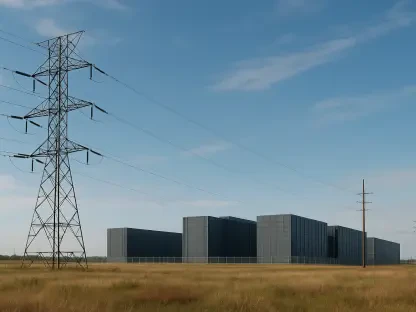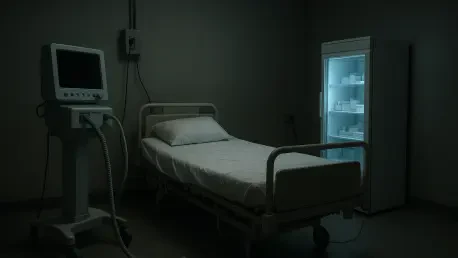

Vulnerable populations in Northwest Indiana faced critical risks to health and safety when the collapse of the power grid severed access to life-sustaining medical equipment and refrigerated medications. This catastrophic failure occurred in the wake of an August 11, 2026, derecho that lashed the region with 110-mile-per-hour winds, causing the most significant power disruption in the history of the Northern Indiana Public Service Company. While the sheer violence of the storm was undeniable, the subsequent two-week struggle for restoration left 375,000 customers questioning the integrity of their local utility provider. In response to this unprecedented crisis, U.S. Representative Frank J. Mrvan has formally petitioned the Federal Energy Regulatory Commission and the North American Electric Reliability Corporation to intervene. The push for a federal investigation stems from a profound need to reconcile years of massive ratepayer-funded infrastructure projects with a grid that appeared fundamentally incapable of withstanding a major weather event.
The Humanitarian Crisis and Regional Hardship
The resulting fallout from the blackout was so severe that it necessitated a federal Major Disaster Declaration on August 25, 2026, highlighting a situation where local resources were completely overwhelmed. Beyond the initial physical damage of downed trees and mangled power lines, the prolonged lack of electricity created a secondary wave of economic and physical distress. Families throughout Lake and Porter Counties watched helplessly as entire food supplies spoiled, while the silence of sump pumps led to widespread basement flooding and subsequent mold issues that ruined homes long after the winds subsided. Perhaps the most isolating factor was the total breakdown of modern communication networks; without a functioning grid, residents found themselves unable to use mobile phones or internet services. This digital blackout prevented thousands from calling for emergency assistance or even beginning the complex process of applying for federal disaster relief funds.
While the storm affected the entire region, the duration of the darkness was not distributed equally, revealing troubling disparities in the restoration timeline. Cities such as Gary, Lake Station, and Portage, along with the town of Munster, faced the most significant delays, with some neighborhoods remaining offline for a full fourteen days. This uneven recovery sparked intense frustration among residents who felt that communication from the utility was either non-existent or intentionally vague. Public health officials emphasized that for those dependent on home-based medical care, every additional hour without power increased the likelihood of a fatal outcome. The failure to provide accurate restoration estimates further hampered the ability of local governments to set up adequate cooling centers or distribute essential supplies to those in high-risk areas. Consequently, the request for a federal inquiry seeks to determine if the prioritization of repairs was handled with transparency and urgency.
Evaluating Federal Reliability and Utility Standards
A critical component of the current debate is whether a state-level investigation by the Indiana Utility Regulatory Commission is sufficient to address the systemic nature of this failure. While local oversight is necessary, Representative Mrvan and other regional leaders argue that the scale of the 2026 crisis demands the specialized expertise of the Federal Energy Regulatory Commission. By involving federal entities, the investigation can objectively assess whether NIPSCO and its parent company, NiSource, adhered to the rigorous national reliability standards mandated for bulk power systems. This federal oversight is designed to bypass local political pressures and provide a clear, technical audit of the utility’s operational decisions leading up to and during the storm. Investigators are expected to scrutinize the adequacy of the company’s emergency planning, the sufficiency of its on-call staffing levels, and the effectiveness of its mutual-aid agreements with neighboring utility providers.
The investigation is also poised to examine whether the physical design of the regional grid has been updated to reflect the reality of increasingly frequent and severe weather patterns. Technical experts suggest that a modern electrical system should possess a degree of redundancy and resilience that prevents a single storm, however powerful, from causing a total regional collapse. If the investigation reveals that NIPSCO failed to implement necessary grid-hardening measures that are standard in other parts of the country, it could lead to significant regulatory penalties and a mandate for immediate corrective action. Furthermore, the inquiry will look into the specific technical failures of high-voltage transmission lines that served as the backbone of the region’s power supply. Determining whether these critical assets were maintained according to federal guidelines is essential for understanding why the initial damage was so widespread and why the subsequent restoration efforts were so agonizingly slow.
Scrutinizing Financial Investments and Performance Gap
Central to the growing public outcry is a stark contradiction between the billions of dollars in ratepayer increases and the actual performance of the electrical infrastructure. Since 2016, NIPSCO customers have contributed approximately $2.3 billion toward grid modernization and infrastructure replacement programs designed to prevent exactly this type of catastrophe. The premise of these massive capital expenditures was to create a more resilient and reliable power system that could withstand the rigors of extreme weather. However, the total system failure experienced in August suggests that these investments may not have yielded the promised benefits. Federal investigators will likely conduct a deep-dive audit of where these funds were allocated and why the modernized grid failed so spectacularly when tested by the derecho. This level of financial scrutiny is vital to ensure that utility companies are held accountable for the promises they make when requesting rate hikes.
In addition to general infrastructure spending, the utility reportedly allocated over $81 million specifically for vegetation management and tree trimming initiatives between 2023 and 2025. Despite these significant outlays, falling trees and limbs were identified as the primary cause of the widespread outages and the physical destruction of power lines. This discrepancy raises serious questions regarding the effectiveness of NIPSCO’s maintenance protocols and whether the funds were used in a manner that truly mitigated the risk of storm-related damage. The federal inquiry will seek to determine if the utility followed industry best practices for right-of-way maintenance or if the programs were merely cosmetic in nature. By comparing the vegetation-related failures in Northwest Indiana to those in neighboring regions that faced similar wind speeds, investigators can establish whether NIPSCO’s performance fell below acceptable industry benchmarks, indicating a potential mismanagement of funds.
Regional Benchmarking and Future Grid Policy
To provide a comprehensive assessment of the 2026 power crisis, the federal review will employ regional benchmarking to compare NIPSCO’s recovery efforts with those of other utilities impacted by the same derecho. Many providers in the Midwest faced similar 110-mile-per-hour winds yet managed to restore service to their customers in a fraction of the time. If the data shows that neighboring utilities were better prepared or more agile in their response, it would suggest that NIPSCO’s operational model is fundamentally flawed. This comparative analysis is intended to highlight specific weaknesses in NIPSCO’s restoration strategy, ranging from logistical failures in deploying repair crews to technological gaps in their outage management systems. The goal is to move beyond the excuse of an act of nature and identify the human and organizational factors that contributed to the length of the blackout. Such findings would be instrumental in forcing the utility to overhaul its emergency management procedures.
The federal investigation into the August 2026 grid failure established a necessary precedent for utility accountability and regional safety. It was determined that future reliability depended on the immediate implementation of updated federal standards that prioritized grid hardening over basic maintenance. Recommendations included the mandatory undergrounding of critical distribution lines in high-risk zones and the integration of microgrid technologies to protect essential medical facilities during large-scale outages. Furthermore, the inquiry necessitated a more transparent reporting structure where utilities must provide real-time, accurate restoration data to local emergency management agencies. By moving away from the reactive policies of the past, the region set a course toward a decentralized and more resilient energy future. The findings served as a clear signal that ratepayer investments must result in tangible reliability, ensuring that essential services remain intact when the next major storm inevitably arrives.