
A New Frontier for Clean Energy in Coal Country
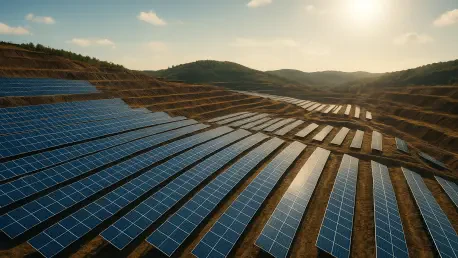
Transforming scarred landscapes into powerhouses for the digital age is no longer a concept of the distant future but a tangible reality unfolding across the Appalachian ridge today. Google has finalized a strategic partnership with MN8 Energy and Eos Energy Enterprises to anchor the Mammoth Solar project in West Virginia. This initiative marks a definitive shift in how the tech industry approaches carbon neutrality by repurposing a former coal mine in Kanawha County. Instead of simply purchasing renewable energy credits, the company is actively developing infrastructure on “brownfield” lands, which are sites previously used for heavy industrial purposes. This strategy secures green power for data centers while revitalizing a region that once served as the backbone of the American industrial era.
From Fossil Fuel Legacy to Renewable Future
The transition from coal to solar in West Virginia carries deep economic and symbolic weight for the local market. For decades, the regional economy was inextricably linked to coal extraction, but the global shift toward decarbonization has left many of these mining sites underutilized or abandoned. These locations offer a unique advantage for renewable developers because they often possess pre-existing grid interconnection infrastructure and cleared land. Repurposing these sites avoids the land-use conflicts and lengthy permitting processes typical of “greenfield” projects. By choosing a site once dedicated to fossil fuels, Google and its partners are addressing historical industrial impacts while pivoting toward a modern, electrified economy that prioritizes long-term environmental viability.
Engineering the 24/7 Clean Energy Grid
Diversifying Technology for Maximum Reliability
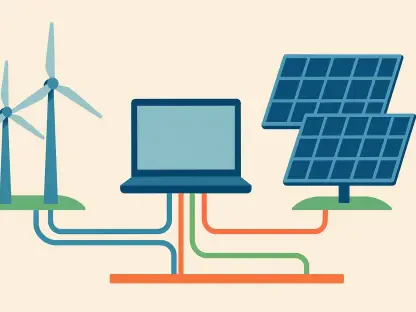
The Mammoth Solar project features a robust 86 MW utility-scale solar array integrated with a sophisticated dual-technology energy storage system. While the solar panels capture energy during peak daylight hours, the project utilizes a hybrid storage mix to ensure a consistent power supply. The facility combines 70 MW of traditional lithium-ion batteries with a specialized 10 MW zinc-based long-duration energy storage system. This diverse technical approach allows the site to manage short-term grid fluctuations while providing a steady stream of electricity over extended periods. For a company like Google, which operates data centers requiring “always-on” power, this diversity is essential for matching intermittent renewable generation with real-time consumption profiles.
Advancing Zinc-Based Storage Solutions
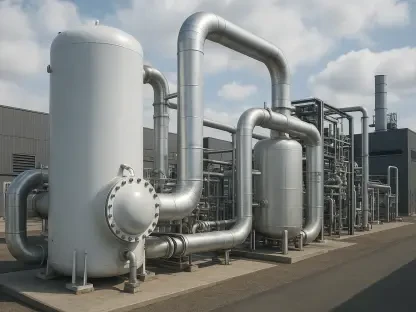
A critical aspect of this market development is the commercialization of zinc-based battery technology produced by Eos Energy Enterprises. Unlike standard lithium-ion batteries, which typically discharge energy for only four hours, these zinc-based systems are designed to discharge economically for eight hours or more. Furthermore, they utilize a nonflammable electrolyte, making them a safer alternative for large-scale deployments in varying climates. As one of the largest installations of zinc-battery technology to date, this project acts as a vital proving ground for the industry. Successfully scaling these long-duration solutions is key to bridging the intermittency gap of solar power, ensuring that clean energy remains available even when the sun is not shining.
Strengthening Regional Grid Stability and Capacity
Beyond its technological merits, the project serves as a crucial intervention in the PJM Interconnection system, the regional power grid serving the Eastern United States. Recently, this grid has faced significant pressure, with capacity auction prices hitting record highs due to an impending generation shortfall. By adding 86 MW of new capacity, the Mammoth Solar project helps stabilize regional energy costs and enhances overall grid reliability. This investment illustrates a growing trend where major corporations move beyond simple carbon offsets and instead fund tangible infrastructure that solves localized grid challenges. This ensures that the expansion of digital infrastructure does not come at the expense of regional energy security or local ratepayer stability.
The Evolution of Corporate Energy Procurement
The future of the energy industry is being shaped by a transition from passive renewable purchasing to active technology incubation. Google’s strategy in West Virginia signals a future where tech companies act as the primary financiers for unproven but promising energy technologies. We can expect to see a surge in regulatory support and economic incentives for brownfield redevelopment, as policymakers recognize the dual benefit of environmental remediation and local job creation. As long-duration energy storage becomes more cost-competitive, the reliance on natural gas for peak demand will likely diminish. This paves the way for a truly decarbonized grid that can support the exponential growth of artificial intelligence and cloud computing.
Key Takeaways for a Sustainable Transition
This project offers several vital insights for stakeholders in the energy and tech sectors. First, the brownfield-to-brightfield model is a highly effective strategy for bypassing the land-use conflicts often associated with large-scale solar farms. Second, diversifying storage technologies is the most viable path toward achieving 24/7 carbon-free energy, as no single battery type can meet every grid requirement. For businesses looking to follow suit, the recommendation is clear: look for opportunities to align corporate sustainability goals with regional grid needs. By investing in projects that provide both clean energy and grid stability, companies can mitigate the risks of rising energy prices while demonstrating a genuine commitment to the communities in which they operate.
Building a Resilient Energy Legacy
The initiative proved that the conversion of industrial brownfields was a commercially viable strategy for scaling renewable infrastructure. It highlighted how corporations shifted from passive buyers to active participants in grid stabilization. By implementing long-duration storage, the project set a standard for technical resilience in the 24/7 carbon-free energy movement. The logistical benefits of using legacy infrastructure allowed for a more efficient deployment of capital and resources. Ultimately, this development served as a blueprint for harmonizing digital growth with regional economic renewal, proving that industrial heartlands were capable of being reimagined rather than abandoned. This transition successfully aligned corporate energy needs with the broader goal of regional grid modernization and security.