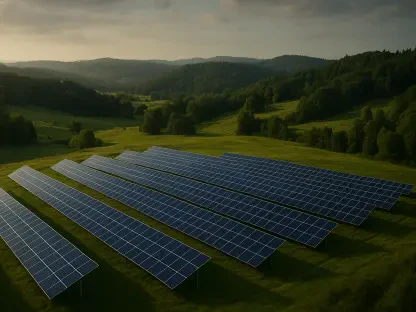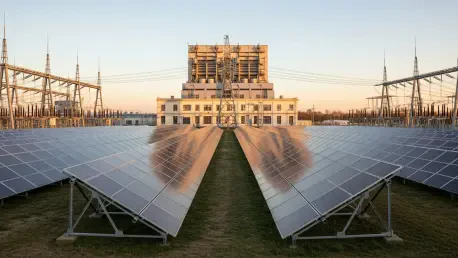

The recent commissioning of the Panamint Energy Complex marks a significant shift in how regional utilities balance the immediate need for baseload power with increasingly stringent renewable mandates. Rather than pursuing the wholesale decommissioning of fossil fuel assets, which often leads to local economic instability and potential grid reliability gaps, this project demonstrates a middle path. By integrating vast photovoltaic arrays directly into the existing footprint of a high-capacity coal-fired plant, the facility maintains its role as a steady provider while significantly lowering its overall carbon intensity. This approach addresses the intermittent nature of solar energy by utilizing the coal units as a stabilizing foundation during peak demand periods or low-sunlight hours. The initiative reflects a pragmatic response to the dual pressures of environmental sustainability and the soaring electrical demand driven by domestic manufacturing across North America. Engineering such a massive convergence required years of planning.
Rethinking Energy Infrastructure for Modern Demands
Strategic Synergy: Merging Legacy Assets With Photovoltaic Arrays
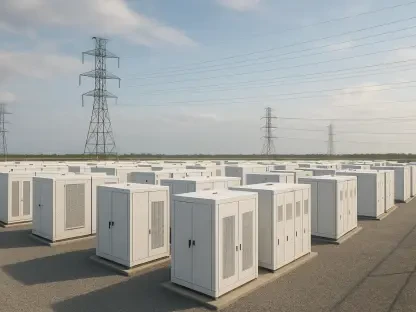
Building on this foundation, the technical integration at the site involves a sophisticated control system that modulates coal combustion in real-time based on solar output. This synchronization ensures that the total megawatt delivery to the grid remains constant even as clouds pass over the nearly 2,000-acre solar field. The project utilized bifacial solar panels, which capture sunlight on both sides to maximize efficiency in the high-desert environment, where ground reflection provides a significant energy boost. Furthermore, the existing water rights and cooling systems associated with the coal plant were repurposed to support the thermal management of the solar inverters and battery storage components. This synergy reduces the need for additional environmental permits and minimizes the ecological footprint typically associated with massive new energy projects. By leveraging the existing steam cycle to supplement power, the facility achieves a level of flexibility that traditional plants cannot reach.
Economic Efficiency: Utilizing Existing Interconnection Assets
This integration also solves one of the most significant hurdles in the renewable transition: the time and cost of interconnection. In the current landscape, new energy projects often face years of delays waiting for approval to connect to the regional transmission grid. Because the Panamint project utilized an existing substation and high-voltage lines, it bypassed many of the logistical bottlenecks that plague standalone renewable developments. Looking at the deployment schedule from 2026 to 2028, experts noted that this “brownfield” redevelopment strategy not only saved hundreds of millions of dollars in infrastructure costs but also preserved the local tax base, which relies heavily on the industrial activity at the site. The financial model for this hybrid facility serves as a template for other aging coal plants throughout the Midwest and Appalachia, providing a blueprint for survival. Workers who previously focused solely on coal handling have been cross-trained in solar maintenance.
Environmental Stewardship and Future Scalability
Carbon Reduction: Achieving Operational Flexibility and Lower Emissions
Beyond the immediate technological achievements, the environmental impact of the hybrid model is profound, resulting in a documented twenty-five percent reduction in annual carbon dioxide emissions per megawatt-hour produced. This reduction was achieved by prioritizing solar output during daylight hours and only ramping the coal burners to full capacity during the evening ramp when demand typically peaks. Advanced scrubbers and carbon capture pilots are also being tested on the remaining coal units to further diminish the site’s environmental profile. By staggering the operations of the two energy sources, the facility effectively extends the life of its thermal equipment, as the boilers are not subjected to the constant high-stress cycling that often leads to mechanical failure in older plants. This preservation of mechanical integrity ensures that the region has a reliable backup during extreme weather events when renewable-only systems might struggle to meet the surge in heating needs.
Path Forward: Recommendations for Regional Utility Modernization
As this project reached its full operational capacity, it provided a clear roadmap for stakeholders looking to modernize the North American power grid through phased innovation. The successful implementation suggested that utilities should prioritize site-specific feasibility studies that evaluate the geographic suitability for solar or wind additions at existing thermal plants. Decision-makers recognized that the path to a cleaner grid did not require the immediate abandonment of reliable fossil fuel assets but rather their thoughtful transformation. Regulatory bodies adjusted their frameworks to encourage these hybrid models, recognizing that they offer a faster and more cost-effective way to meet climate goals without compromising security. Moving forward, industrial planners focused on expanding battery storage capabilities at these hybrid sites to capture excess solar energy. The transition established a precedent where technical pragmatism outweighed ideological rigidity, ensuring that the lights remained on for everyone.