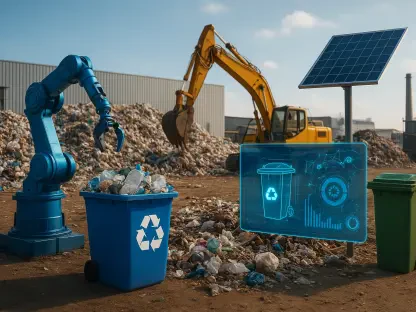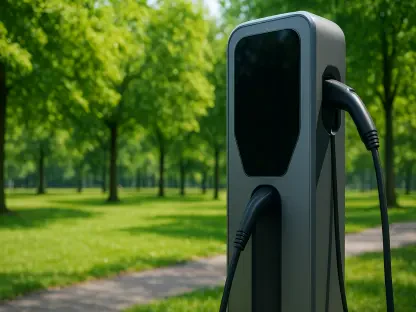

While secondary copper production can reduce emissions by 2.1 tCO2e per tonne, the industry must still find ways to decarbonize primary mining to meet projected global demand. As of 2026, the transition toward a sustainable energy economy has shifted from a theoretical goal to an immediate industrial imperative, placing copper at the center of the global decarbonization strategy. The metal’s essential role in electric vehicle batteries, wind turbines, and high-capacity data centers has led to a dramatic acceleration in consumption rates across both developed and emerging markets. Consequently, producers are now facing the dual challenge of scaling up extraction to unprecedented levels while adhering to increasingly stringent environmental, social, and governance standards. This tension has birthed a specialized market for low-carbon copper, where the environmental footprint of the metal is becoming almost as valuable as its conductivity. Stakeholders are now forced to navigate a complex landscape defined by shifting regulations and evolving consumer expectations.
Market Dynamics and Supply Constraints
Part 1: Managing the Impending Copper Deficit
Market analysts are currently warning of an impending supply deficit that could disrupt global industrial progress between 2026 and 2028. As the total global consumption of refined copper moves toward an estimated 31 million tonnes by 2030, the gap between existing production capacity and required supply is widening at an alarming rate. This deficit is largely driven by the simultaneous expansion of renewable energy projects and the massive power requirements of next-generation data centers, both of which are highly copper-intensive. Producers are finding it increasingly difficult to bring new projects online quickly enough to keep pace with this surge, especially as the average grade of copper ore continues to decline globally. To maintain stable operations, the industry is looking toward brownfield expansions, yet these projects often face significant environmental hurdles that can delay production for years. The resulting supply-side pressure is forcing a re-evaluation of how copper is sourced and processed for high-end applications.
The pressure on the copper supply chain is further complicated by the geographic concentration of mining operations and the logistical challenges of modern extraction. In the current 2026 landscape, political stability and environmental regulations in major producing regions like Chile and Peru are significantly impacting the flow of material to global markets. Companies are now forced to factor in potential disruptions from localized environmental protests and stricter water usage laws, which have become more frequent as climate change affects regional ecosystems. These external pressures are driving a trend toward localized recycling and secondary production, though these methods alone cannot bridge the massive supply gap. Industrial buyers are increasingly concerned about the long-term availability of raw materials, leading to more aggressive procurement strategies and a greater emphasis on building resilient, diversified supply chains. This environment of scarcity is elevating the strategic importance of every tonne of copper produced, particularly those with high sustainability marks.
Part 2: Addressing Technical and Financial Barriers
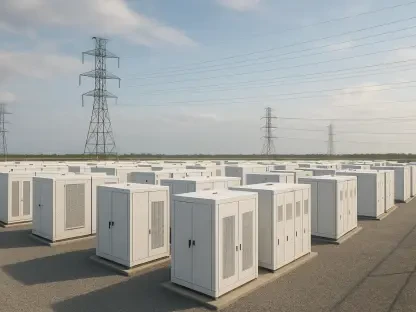
To address these supply constraints while minimizing environmental impact, the industry is heavily investing in the electrification of mining fleets and the adoption of autonomous machinery. As of 2026, major mining companies have begun replacing traditional diesel-powered haul trucks with electric and hydrogen-fueled alternatives to significantly reduce Scope 1 emissions. This transition is not merely about environmental compliance; it is also an economic strategy to lower long-term fuel costs and improve operational efficiency in deep-pit mining. The integration of renewable energy microgrids at remote mine sites has become a standard practice, allowing producers to power their energy-intensive operations with solar and wind energy. These technological shifts represent a fundamental change in how primary mining is conducted, moving away from the fossil-fuel-dependent models of the past. However, the high initial capital expenditure for such equipment remains a barrier for mid-sized producers, creating a significant divide in the race to decarbonize.
Beyond the electrification of hardware, the industry is also exploring advanced smelting and leaching technologies that reduce the overall energy intensity of the refining process. In 2026, the use of bio-leaching and high-pressure acid leaching has gained traction as a way to extract copper from lower-grade ores and waste tailings with a smaller carbon footprint. These processes allow for the recovery of metal that was previously considered uneconomical, effectively expanding the available resource base without opening new large-scale mines. Furthermore, the adoption of digital twin technology and artificial intelligence in processing plants is enabling real-time optimization of energy consumption, further trimming the emissions associated with every tonne of refined metal. While these innovations are promising, they require a level of technical expertise and infrastructure that is still being developed across the global industry. The successful implementation of these technologies is a prerequisite for any producer aiming to market their product as green.
The Challenge of Industry Standards
Part 3: Solving the Definitional Dilemma
A significant obstacle to the widespread adoption of low-carbon copper is the current lack of a standardized, global definition for what the term actually entails. In the 2026 market, various producers use different methodologies to calculate their carbon footprints, leading to confusion and skepticism among industrial buyers. Some companies focus exclusively on the emissions from their own operations, while others include the entire life cycle of the product, from extraction to delivery. This inconsistency makes it nearly impossible for procurement officers to make direct comparisons between suppliers, often resulting in a reliance on self-reported data that may lack external validation. Without a clear benchmark, the value of a low-carbon label is diluted, and the risk of greenwashing remains a major concern for investors and regulatory bodies alike. Efforts are currently underway to establish a universal framework, but reaching a consensus among global stakeholders with diverse interests has proven to be a slow and arduous process for the global industry.
To mitigate the risks associated with inconsistent reporting, there has been a significant surge in the demand for independent, third-party verification and life-cycle assessments. By 2026, organizations like the Copper Mark have become essential gatekeepers, providing the transparency and accountability that the market desperately needs to function efficiently. These certification bodies evaluate mining and refining operations against a strict set of environmental and social criteria, ensuring that claims of sustainability are backed by verifiable data. For industrial buyers in the automotive and technology sectors, such certifications are no longer optional; they are a mandatory requirement for inclusion in the supply chain. This trend is driving a new level of data sharing between producers and consumers, fostered by blockchain technology that tracks the carbon intensity of metal through every stage of its journey. As these verification systems mature, they provide the foundation for a more transparent market where metal can be traded with the same confidence as standard products.
Part 4: Navigating the Financial Realities of Green Copper
The financial reality of the green transition is manifesting in the form of a green premium, where buyers pay more for copper produced with lower emissions. In the 2026 trade environment, recent data suggests that some manufacturers are willing to pay premiums exceeding $100 per tonne for certified low-carbon material to meet their corporate sustainability targets. This price differentiation reflects the added value that clean metal brings to a brand’s reputation and its ability to comply with regional carbon border adjustment mechanisms. However, the adoption of these premiums is not yet universal, as many price-sensitive sectors still prioritize the lowest possible cost over environmental performance. This has created a bifurcated market where high-margin industries like luxury electric vehicles lead the way, while more traditional infrastructure sectors lag behind. The long-term viability of the green premium depends on whether the broader market accepts these costs as a standard part of doing business in a decarbonized global trade economy.
The industry recognized that the path forward required a fundamental shift in how value was assigned to raw materials. Leaders implemented comprehensive decarbonization strategies that prioritized transparency and technological integration, ensuring that their operations remained competitive in a climate-conscious world. Organizations established clear benchmarks for emissions reporting, which eventually helped to stabilize the market and reduce the prevalence of greenwashing in the supply chain. By investing in electrified mining fleets and advanced refining processes, producers successfully narrowed the gap between escalating demand and environmental responsibility. These collective actions demonstrated that the true value of low-carbon copper extended far beyond its physical properties, encompassing its role as a catalyst for sustainable global development. Stakeholders learned that proactive adaptation to environmental standards was the most effective way to secure long-term profitability. As the baseline for global trade shifted, the industry moved toward a more sustainable standard.