
Imagine a metropolitan landscape where the organic refuse discarded by millions of residents is no longer a liability but a primary source of local energy security. Modern municipalities are increasingly viewing organic waste as a strategic energy resource rather than a simple management burden that requires expensive disposal. By capturing methane from landfills and food waste, the waste-to-energy model provides a stable, 24/7 power supply that reduces greenhouse gas emissions significantly compared to traditional waste management. In the United States alone, hundreds of active projects demonstrate that transforming refuse into fuel is a robust industrial trend that addresses the constant stream of urban waste while protecting the atmosphere from harmful emissions. This transition is not merely an environmental ideal but a practical necessity for cities facing rising energy costs and stricter sustainability mandates. As the demand for reliable local power grows, biogas technology offers a proven solution that turns a daily problem into a continuous energy stream.
Mechanical Systems for Energy Recovery
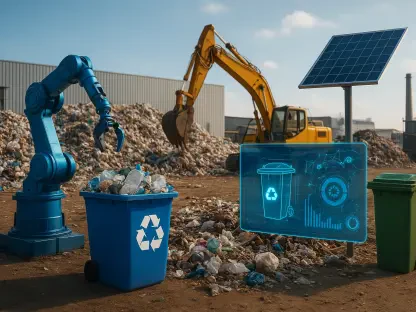
The transition from simple waste disposal to complex energy recovery requires a sophisticated integration of mechanical and biological systems designed to maximize gas output. These frameworks are built to handle massive volumes of organic matter, ranging from agricultural runoff to municipal sewage and food scraps from industrial kitchens. The core objective of these facilities is to intercept the natural decomposition process and redirect the resulting gases into controlled environments for purification. This proactive approach prevents the uncontrolled release of methane into the atmosphere, where it would otherwise contribute to warming, and instead channels it into productive use. Engineering firms specializing in renewable energy have refined these processes to ensure that every cubic foot of gas is accounted for and utilized. By implementing these technological frameworks, cities can create a predictable energy cycle that operates independently of weather conditions or global fuel supply chains.
Harvesting Power: The Role of Anaerobic Digesters
At the heart of the waste-to-energy movement is the anaerobic digestion process, which utilizes sealed, oxygen-free tanks to break down organic solids efficiently. Within these specialized environments, diverse communities of bacteria decompose feedstock such as sewage sludge and dairy manure to produce a steady stream of biogas. Operators can maintain optimal temperatures and pH levels to maximize the metabolic activity of the microbes, ensuring a high concentration of methane in the final product. This biological method is remarkably flexible, allowing for the co-digestion of different materials to enhance gas yields and stabilize the digestion process during seasonal fluctuations. Beyond the gas itself, the system generates a nutrient-dense byproduct called digestate, which serves as an effective soil amendment for local agriculture. This dual-output model ensures that the energy potential of the waste is fully realized while also supporting the health of nearby farmland.
Extraction Techniques: Managing Landfill Gas Resources
For organic material that has already been buried in traditional landfill sites, engineers utilize a complex network of vertical extraction wells to recover valuable methane. These systems consist of perforated pipes inserted deep into the waste mass, where a gentle vacuum is applied to draw out the landfill gas as it is generated by subsurface decomposition. Once the raw gas is collected, it passes through a series of moisture traps and particulate filters to remove impurities that could damage downstream equipment. This infrastructure allows a single landfill to act as a reliable fuel source for twenty years or more, providing long-term utility from material that was previously considered inert trash. By effectively managing the internal pressure and gas flow within the landfill, operators not only harvest energy but also prevent the migration of odors into surrounding residential neighborhoods. This systematic approach transforms a long-term environmental liability into a multi-decadal power asset.
Economic Resilience and Utility Integration
The economic impact of biogas technology extends far beyond the perimeter of the treatment plant, influencing regional energy prices and local job markets. When a municipality invests in waste-to-energy infrastructure, it essentially converts a recurring disposal cost into a revenue-generating utility service. The financial viability of these projects is often bolstered by the dual revenue streams of waste tipping fees and energy sales, creating a resilient business model for public and private operators alike. Furthermore, the integration of biogas into the local grid provides a hedge against the volatility of global energy markets, as the fuel source is generated and consumed within the same geographic area. This proximity reduces the transmission losses associated with long-distance power lines and ensures that energy spending stays within the community. As more regions adopt this model, the cumulative effect is a more decentralized and economically stable energy landscape that rewards sustainability.
Fuel Conversion: Transforming Raw Methane for the Grid
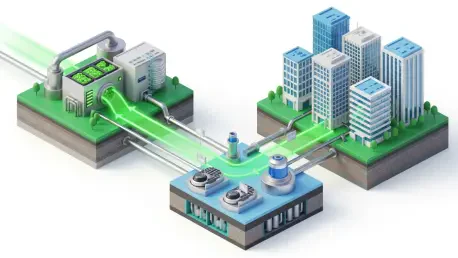
Once the raw biogas is captured, it can be directed toward utilization pathways like on-site electricity generation or upgrading to Renewable Natural Gas (RNG). For power generation, the methane fuels specialized internal combustion engines that are coupled with high-efficiency generators to produce electricity for the local grid. Alternatively, advanced membrane filtration and pressure swing adsorption technologies can refine the gas to pipeline-quality standards, removing carbon dioxide and trace contaminants. This upgraded RNG is chemically identical to conventional natural gas, allowing it to be injected into existing distribution networks without any modifications to home appliances or industrial heaters. This interchangeability makes RNG an exceptionally valuable fuel for heavy-duty vehicle fleets and manufacturing processes that require high-temperature heat. By providing a direct substitute for fossil fuels, biogas technology leverages existing infrastructure to accelerate the transition to a low-carbon energy economy.
Local Growth: Stimulating Economies with Renewable Assets
Establishing a regional biogas facility creates a ripple effect of economic benefits that supports local businesses and enhances the resilience of the surrounding community. The construction phase of these large-scale projects requires a diverse workforce of engineers, welders, and specialized technicians, while long-term operations provide stable employment for plant managers and laboratory staff. Furthermore, these facilities offer local farmers and food processors a cost-effective and environmentally friendly outlet for their organic waste products, reducing their operational overhead. By keeping the energy production process local, municipalities can insulate themselves from the price spikes and supply disruptions that often plague distant fuel providers. This localized approach also fosters a sense of community ownership over energy resources, encouraging further investment in sustainable infrastructure and innovation. Ultimately, the development of biogas assets serves as a catalyst for regional economic growth and stability.
Strategic Implementation: Scaling Sustainable Infrastructure
Strategic planning and the adoption of scalable biogas systems proved to be essential for municipalities seeking to balance urban growth with environmental responsibility. City councils and regional planning boards successfully implemented integrated waste-to-energy frameworks that prioritized long-term durability and public health. They recognized that the transition to circular waste management required a combination of technological investment and community engagement to ensure the success of large-scale digester projects. Moving forward, the focus shifted toward optimizing the efficiency of existing extraction wells and exploring the potential for regional waste hubs that could serve multiple small communities. These efforts established a blueprint for resilient urban infrastructure that effectively turned discarded organic material into a cornerstone of the local power grid. By treating waste as a high-value commodity, these leaders demonstrated that environmental stewardship and economic prosperity could be achieved through a single, unified strategy.