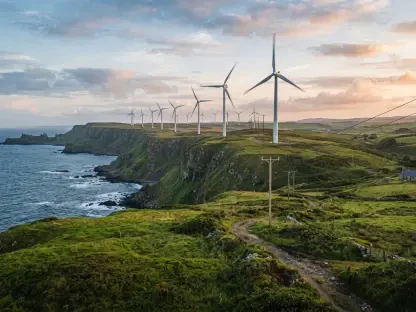

While road transport shifts toward electrification, global demand for biofuels is now expected to reach 5.1 million barrels per day by 2035 to bolster domestic energy security. This shift illustrates a fundamental reorganization of the global energy narrative, where environmental sustainability no longer operates in a vacuum. Instead, it is being merged with a fierce mandate for national self-sufficiency and industrial resilience. Since the start of 2026, the international community has witnessed how volatile supply chains can compromise economic stability, forcing a transition that is as much about protecting borders as it is about lowering carbon emissions. Consequently, the transition is moving at multiple speeds, dictated by regional resources and local economic priorities. This complex environment requires a balanced approach to satisfy immediate power requirements while simultaneously laying the groundwork for a long-term low-carbon infrastructure that can withstand the unpredictable pressures of modern geopolitics.
The Enduring Role of Natural Gas and LNG
Growing Demand in Emerging Markets
Natural gas continues to serve as a critical stabilizer in the global energy mix, with current projections suggesting its demand will remain robust well into the 2040s. This longevity is driven largely by the massive industrial expansion occurring in emerging markets such as China, India, and Southeast Asia. These nations face the difficult task of powering rapid urbanization while attempting to phase out more carbon-intensive fuels like coal. Gas-fired electricity generation provides the necessary dispatchable power to balance the inherent variability of growing solar and wind capacities. As industrial processes in these regions become more energy-intensive, the reliance on gas as a feedstock and heat source is expected to increase from the 4,250 billion cubic meters recorded in 2025 to a peak of nearly 4,780 billion cubic meters by 2035. This trend underscores the reality that the transition away from fossil fuels is not a linear process but a sophisticated layering of cleaner technologies over reliable traditional sources.
Dominance of North American Supply
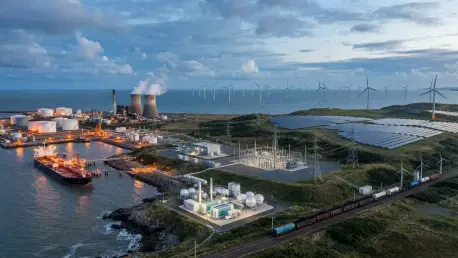
The geographic concentration of energy production is undergoing a profound transformation, with the United States positioned to dominate the global liquefied natural gas market. By 2035, American export capacity is anticipated to secure roughly 37 percent of the world’s supply, surpassing traditional heavyweights like Qatar. This shift has massive implications for global maritime logistics and the strategic planning of shipping lanes. For European and Asian importers, the reliance on long-haul shipments from North America necessitates a complete overhaul of port infrastructure and storage facilities. Current investments are already pivoting toward sophisticated bunkering systems and expanded regasification terminals to accommodate the influx of American fuel. This realignment ensures a more diverse supply chain, yet it also places a heavy burden on the global transportation sector to modernize its fleet. The success of this strategy depends on the ability of the international community to align these supply shifts with physical infrastructure.
Security and the Future of Fossil Fuel Consumption
Geopolitical Drivers and Domestic Resilience
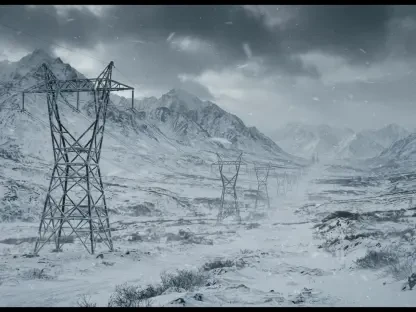
Recent geopolitical tensions and significant disruptions in major trade corridors have effectively elevated energy security to the top of national agendas. Governments are no longer content with relying solely on global markets that are susceptible to sudden shocks or political leverage. Instead, a dual-track strategy has emerged as the preferred policy framework beginning in early 2026. This approach involves diversifying international fossil fuel sources to mitigate immediate risks while aggressively scaling domestic energy production. By focusing on home-grown solutions, nations aim to insulate their economies from the price volatility that has historically characterized the global oil and gas trade. This renewed emphasis on sovereignty is reshaping how investment is allocated, with a clear preference for projects that enhance national resilience. The integration of domestic resources into the broader energy strategy serves as a protective buffer, ensuring that the economy remains robust even when international supply lines are strained.
Managing the Decline of Global Oil Production
The trajectory of global oil consumption remains one of the most debated aspects of the transition, with demand pathways diverging based on how strictly nations adhere to climate pledges. While consumption for road transport is beginning to plateau, sectors such as aviation and petrochemicals continue to drive demand. However, a significant risk is emerging on the supply side: the natural production decline of existing oil fields is currently outpacing the global reduction in demand. This creates a precarious supply gap that could lead to severe price spikes if new production capacity is not maintained during the wind-down period. Investors are now tasked with a delicate balancing act, needing to fund enough traditional production to prevent economic shocks while simultaneously pivoting toward low-carbon ventures. Without targeted investment to bridge this gap, the transition risks becoming a source of economic instability rather than a planned evolution. Maintaining steady supply is essential for keeping political support.
Strategic Pathways for Global Energy Resilience
Harmonizing Infrastructure with Climate Goals
The analysis of the global energy landscape demonstrated that the transition was never a simple swap of fuels, but a complex recalibration of security and sustainability. Decision-makers recognized that to achieve a successful shift, they had to integrate domestic resource management with international climate cooperation. The most effective strategies proved to be those that prioritized infrastructure synchronization, ensuring that the rollout of new energy technologies matched the physical capacity of ports and power grids. For future resilience, industry leaders looked toward creating more flexible supply chains that could pivot between diverse fuel sources as market conditions changed. The integration of carbon capture into industrial hubs emerged as a non-negotiable step for meeting emission targets without sacrificing economic growth. Ultimately, the path forward required a pragmatic acknowledgment that fossil fuels would play a diminishing but essential role in maintaining global stability and growth.
Lessons for Long-Term Industrial Stability
Moving forward, the primary focus for stakeholders shifted toward the rapid deployment of storage solutions and the hardening of national grids against external shocks. It was observed that those nations which successfully combined local biofuel production with aggressive electrification seen the most stable energy prices during the mid-2020s. Policy frameworks were redesigned to incentivize not only the generation of clean energy but also the efficiency of its distribution across borders. Experts suggested that the next phase of the transition necessitated a deeper commitment to cross-sector partnerships, particularly between the maritime and energy production industries, to close the bunkering gap. By aligning these disparate interests, the global community fostered a more predictable environment for long-term investment. This holistic approach ensured that the energy transition remained economically viable while addressing the urgent need for a lower carbon footprint across all major industrial sectors.