
The precarious intersection of climate-driven catastrophes and the financial solvency of the nation’s largest utility companies has reached a critical tipping point in the Golden State. As California enters the mid-point of this decade, the operational stability of its major power providers—Pacific Gas & Electric, Southern California Edison, and San Diego Gas & Electric—is increasingly tethered to legislative intervention. These investor-owned utilities are currently navigating a landscape where the frequency of extreme weather events directly threatens their corporate survival and the integrity of the state’s electrical infrastructure. The core of the current conflict lies in how the state balances the necessity of a functional power grid with the ethical and legal demands for corporate accountability in the wake of utility-sparked fires.
The High-Stakes Landscape of California’s For-Profit Power Sector
The current operational environment for the primary for-profit utilities is defined by a state of constant defensive maneuvering against escalating climate risks. For entities like PG&E and SCE, the challenge is no longer just about providing power; it is about managing a massive equity rate base that remains vulnerable to billions of dollars in potential liability. This equity rate base represents the total value of the company’s assets used to provide service, and it serves as the financial foundation for the returns they provide to their shareholders. Consequently, any significant legal judgment or wildfire-related payout acts as a direct drain on the capital necessary for maintaining and modernizing the grid.
In this high-stakes environment, the California Public Utilities Commission plays a vital role as the primary regulatory oversight body. The commission is tasked with the complex duty of ensuring that utilities operate safely while also maintaining the financial health required to attract private investment. However, as the physical risks of the power sector grow, the tension between these two objectives has intensified. The significance of these utilities extends beyond their own balance sheets, as they are the primary engines for the state’s massive infrastructure projects, including the transition toward a fully renewable energy portfolio by the middle of the century.
Corporate Strategy and Financial Stability Projections
The Legislative Push for Permanent Financial Shields
The primary corporate strategy currently being deployed by California’s major utilities involves an aggressive push for permanent legislative shields against wildfire liability. This movement represents a significant transition away from the temporary protections established under Assembly Bill 1054, which was passed in 2019 to provide a state-backed wildfire fund. The utilities now argue that a permanent cap is necessary to provide long-term predictability for their investors and creditors. Without such a shield, they contend that the threat of unlimited negligence payouts will continue to destabilize the energy market and discourage the capital flow required for essential grid improvements.
At the heart of this legislative push is the 20% equity cap proposal, which seeks to limit the amount a utility must pay out for damages in cases where its equipment is found to have caused a fire. For Southern California Edison, this cap would limit shareholder exposure to approximately $4.3 billion, while for PG&E, the limit would sit near $5.1 billion. The goal is to protect shareholder interests from the total financial ruin that can accompany catastrophic wildfires, effectively creating a state-mandated ceiling on the costs of corporate negligence. Critics, however, argue that this move shifts the financial burden of utility failures directly onto the shoulders of the public.
Market Data and the Credit Rating Crisis
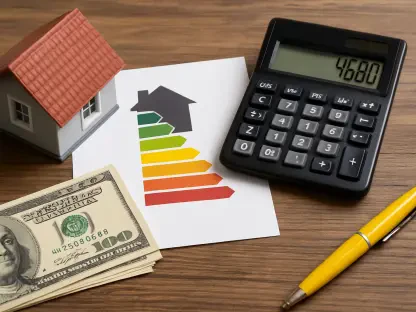
The push for liability caps is deeply rooted in the current credit rating crisis affecting the California power sector. Volatility in the stock market and the persistent threat of wildfire claims have led to a precarious cost of borrowing for infrastructure loans. When credit ratings are downgraded due to liability concerns, utilities are forced to pay higher interest rates to secure the billions of dollars needed for grid maintenance. These increased borrowing costs are not merely a corporate problem; they are ultimately passed down to electricity customers in the form of higher monthly bills, creating a direct link between utility financial stability and consumer affordability.
Moreover, investment forecasts suggest that a failure to implement these financial shields could lead to a socialized risk model where the state is forced to intervene to prevent a total utility collapse. Shareholders have already experienced significant stock market volatility, and the long-term financial viability of the for-profit model in California is under scrutiny. The utilities argue that an investment-grade credit rating is a public good, as it allows for the continued modernization of the energy grid at the lowest possible cost. In contrast, those opposing the caps suggest that corporate profit should not be prioritized over the rights of wildfire survivors to seek full compensation.
Navigating the Challenges of Negligence and Safety Accountability
A major point of contention in this debate is the moral hazard dilemma, which suggests that liability protection may inadvertently remove the incentive for rigorous equipment maintenance. If a utility knows that its financial exposure is capped at 20% of its equity, it may be less motivated to invest in the most expensive safety measures, such as extensive tree trimming or line undergrounding. This concern is central to the argument that for-profit entities must remain fully liable for their actions to ensure that public safety is always the highest priority. The worry is that a permanent shield could lead to a culture of complacency where safety is viewed as a secondary concern to dividend preservation.
Furthermore, utilities have begun to use their infrastructure spending as leverage in these legislative negotiations. PG&E has already indicated that the risk of high liability may force it to defer significant capital improvements, potentially delaying new housing developments and green energy goals. This creates a difficult political situation where the state must choose between holding companies accountable and ensuring that critical infrastructure projects remain on schedule. Determining the difference between “prudency” in operations and a “willful disregard” for safety has become the primary legal challenge for regulators as they attempt to hold these massive corporations to account.
The Regulatory Framework and Legal Accountability Standards
The legal landscape is currently overshadowed by criminal investigations and significant precedents, most notably the probe into the Eaton Fire. The potential for felony liability in this case, where equipment was reenergized during high winds despite known risks, represents an existential threat to the current utility model. If a utility is found to have acted with criminal negligence, the standard protections of the equity cap may not apply, leaving shareholders exposed to the full weight of the resulting damages. These investigations serve as a reminder that the regulatory framework must be robust enough to handle cases where corporate decisions lead to loss of life and property.
The Governor’s office and the state assembly are also deeply involved in balancing victim compensation with corporate solvency. State legislation must navigate the fine line between providing a stable environment for energy providers and ensuring that those harmed by utility equipment have access to justice. Compliance and security measures are being tightened, particularly regarding the protocols for reenergizing dormant transmission lines in high-risk areas. These standards are meant to mitigate the risks of brush fires caused by high winds, but their effectiveness depends on the utilities’ willingness to follow them even when it impacts their operational efficiency.
The Future of Energy Provision and Risk Management in California
As California looks toward its infrastructure needs for the period of 2026 to 2030, emerging technologies are expected to play a crucial role in wildfire mitigation. AI-driven monitoring and the undergrounding of thousands of miles of transmission lines are part of a broader strategy to reduce future exposure. These grid-hardening efforts are designed to minimize the physical risks that lead to liability in the first place. However, the high cost of these technologies continues to drive up consumer expectations and monthly bills, leading to a decrease in public support for the for-profit utility model.
The possibility of market disruptors, such as public takeovers or the municipalization of local grids, remains a significant factor in the long-term outlook. If the for-profit model is unable to manage climate risks without constant state intervention and rising costs, the call for a nonprofit or public power system may grow louder. Public safety concerns are increasingly being viewed as a fundamental right that should not be subject to the profit requirements of private shareholders. This shift in sentiment suggests that the future of energy provision in California will depend on the utilities’ ability to prove they can operate safely in an era of unprecedented environmental challenges.
Balancing Shareholder Profit With Public Safety Objectives
The analysis of California’s utility sector demonstrated a persistent conflict between the requirements for investment-grade credit and the necessity of corporate accountability. The proposed liability caps functioned as a primary mechanism for stabilizing the financial outlook of the state’s largest power providers, yet these measures faced significant opposition from those who feared a reduction in safety standards. Stakeholders across the state evaluated the potential for these caps to lower borrowing costs, acknowledging that while shareholder protection was the immediate goal, the long-term impact on ratepayer bills remained a critical factor in the legislative debate.
Ultimately, the state sought a sustainable regulatory path that prioritized the resilience of the energy grid without fully shielding companies from the consequences of negligence. The investigation into the Eaton Fire and other incidents proved that a lack of rigorous safety protocols could lead to criminal liability, regardless of any legislative shields. These developments suggested that future infrastructure growth would be closely tied to the ability of utilities to adopt advanced mitigation technologies. The focus remained on ensuring that the move toward a modernized power system did not come at the expense of public safety or the rights of wildfire survivors.