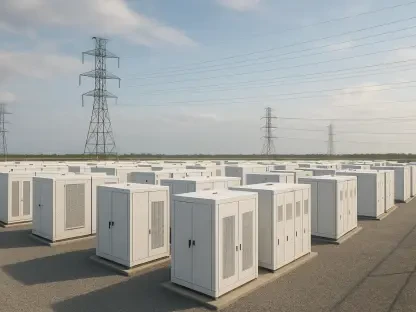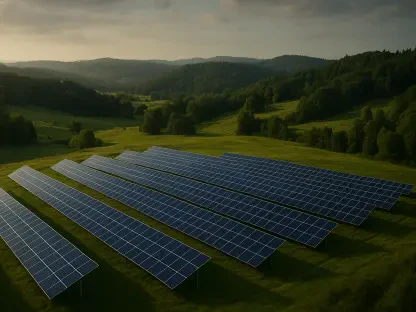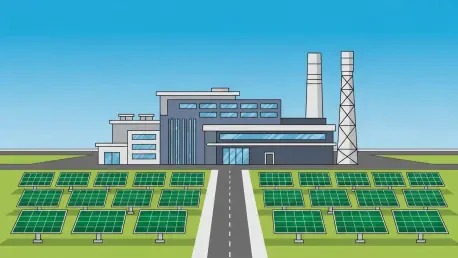

The global textile manufacturing landscape is currently undergoing a massive structural transformation as legacy industrial giants prioritize energy independence to mitigate the impact of volatile utility pricing. Mafatlal Industries has reached a significant operational milestone with the successful commissioning of its 4 MW ground-mounted captive solar power plant at its primary facility in Nadiad, Gujarat. Developed in partnership with Kosol Energie, the plant is expected to generate approximately 6.5 million kilowatt-hours of clean electricity annually. By integrating renewable energy directly into its manufacturing hub, the company is effectively reducing its reliance on the commercial power grid, which is frequently impacted by price volatility and supply inconsistencies. This transition is not merely an environmental statement but a calculated move to secure energy security in a region where industrial demand often outpaces supply. As the textile industry faces pressure to modernize, this solar facility represents a blueprint for manufacturers.
Optimizing Operational Costs and Financial Resilience
Strategic Cost Stabilization: Protecting Industrial Margins
The primary goal of this solar installation is the structural optimization of industrial power expenses, which represent a major recurring cost in the textile sector. By establishing captive power generation, Mafatlal secures long-term tariff stabilization and protects its manufacturing margins from rising utility rates in Gujarat. This proactive approach allows for more predictable budgeting and provides a buffer against the external economic pressures of the energy market. The textile industry is sensitive to fluctuations in the cost of production, and electricity remains one of the few variables that a company can control through infrastructure investment. By locking in a predictable cost for a portion of its electricity needs, the company reduces the risk of sudden spikes in government-mandated utility tariffs. This financial predictability is essential for maintaining a competitive price point in both markets. Moreover, the move toward self-reliance in energy minimizes downtime often associated with grid instability.
Financial Performance: Balancing Revenue and Operating Expenses
The adoption of green energy coincides with a period of aggressive revenue expansion, with the company’s turnover surging to over ₹3,900 crore. However, relatively lean EBITDA margins highlight the necessity of the Nadiad project as a vital cost-saving measure. In a competitive industry where profit margins are often squeezed by raw material costs, these incremental savings in power consumption contribute directly to the company’s bottom line and improve overall operating cash flows. The ability to generate 6.5 million kilowatt-hours internally translates to a substantial reduction in the monthly expenditure on electricity, which can then be reallocated toward research and development. As the company continues to scale its operations, the efficiency gained from the Nadiad plant will likely play an increasingly important role in maintaining profitability. This strategic investment demonstrates a commitment to operational excellence, where every kilowatt saved is a direct contribution to resilience.
Market Competitiveness and Corporate Governance
Sustainability Standards: Meeting Global Export Demands
Beyond financial benefits, the shift to captive clean energy strengthens Mafatlal’s competitive edge by meeting the rigorous environmental standards required by international apparel brands. As global markets increasingly prioritize Environmental, Social, and Governance criteria, reducing the corporate carbon footprint positions the company as a preferred partner for export-oriented brands. This transition aligns fiscal pragmatism with modern industrial sustainability, ensuring the company remains relevant in a green-conscious global economy. Many European and American retailers now require their suppliers to prove a reduction in carbon emissions as part of their procurement contracts. By generating clean energy on-site, the company can provide verifiable data regarding its carbon footprint reduction, which serves as a powerful marketing tool in international trade. This alignment with global sustainability trends is not just about compliance but about securing a dominant position in the supply chain.
Leadership Vision: Driving Scalability and Future Innovation
The company’s stable leadership, headed by Managing Director Priyavrata H. Mafatlal and Executive Chairman Hrishikesh A. Mafatlal, remained focused on navigating this transformation through efficiency-focused projects. Investors and stakeholders viewed the successful operationalization of the Nadiad plant as a key trigger for future growth, anticipating measurable reductions in fuel and power expenses in upcoming financial disclosures. While risks like cotton price volatility persisted, the company’s focus on energy independence created a more efficient and leaner cost structure for long-term scalability. The transition necessitated a multi-phased approach that included the potential expansion of decentralized energy systems across other manufacturing sites. Integrating advanced battery storage systems emerged as a logical next step to ensure that the solar energy generated during peak hours was utilized effectively. Expanding the use of data analytics allowed for more precise load balancing. These measures ensured that the company stayed ahead.