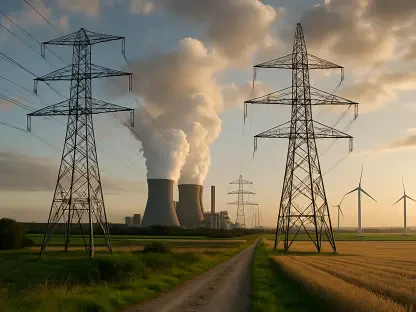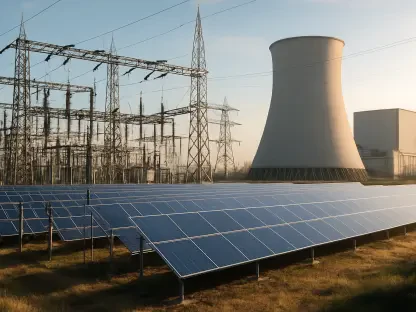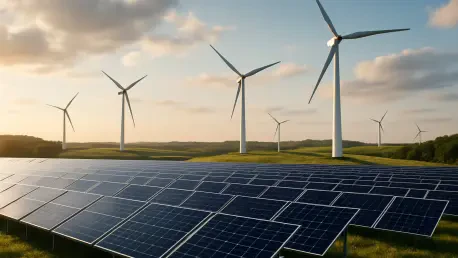

Relying on imported fossil fuels is no longer just about environmental impact. It has become a potential economic risk. Utilities are restructuring operating models, capital allocation, and grid strategy to integrate renewable generation at scale. To reduce reliance on imported fossil fuels, utility companies are finding new ways to incorporate solar, wind, and other renewable sources into their energy supplies. This article delves into how utilities are changing their approach, investing in new technologies, and developing pathways toward a renewable-focused future.
Moving Toward Economic Growth and Security
As fossil fuels expose economies to geopolitical uncertainties and market fluctuations, utilities are turning to renewables to create more reliable energy systems. By leveraging local resources like solar, wind, and bioenergy, utilities help ensure energy is produced close to where it is consumed, reducing dependence on volatile global supply chains.
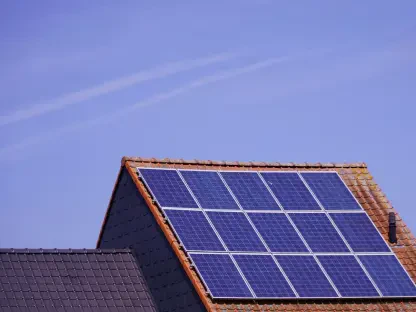
For example, installing rooftop solar panels, harnessing wind in rural areas, and using waste for bioenergy are ways utilities enable decentralized energy generation. This localized approach means more reliable grid operations, enhanced regional energy security, and fewer interruptions in both business and residential power supply.
The ongoing transition to renewable energy is also stimulating economic growth. After a decade of cost declines, solar and wind have become the most cost-effective sources of new electricity in several markets, prompting utilities to invest in new infrastructures that support sustainable energy. In 2022 alone, global renewable energy generated more than 13 million jobs across component manufacturing, project development, operations, and maintenance roles.
Even with its benefits, this transition can create tension for utilities, which must balance immediate financial pressures with long-term strategic benefits. Investing in renewables typically requires high upfront costs and infrastructure changes, raising concerns about short-term profitability. Utility leaders must carefully weigh these trade-offs as they plan for a future that prioritizes sustainability and energy independence.
As utilities continue to embrace renewables, they pave the way for innovations that promise to make energy access more equitable. This modernizes grid infrastructure and helps utilities deploy new services, such as load shifting and distributed energy coordination, in underserved markets.
Driving Innovation and Universal Access
The shift to renewable energy is characterized by three key advancements: storage, digital orchestration, and new energy carriers. Utilities are actively implementing these technologies across transmission, distribution, and commercial portfolios. For example, battery storage is deployed to ensure a reliable energy supply by storing excess power generated during sunny or windy conditions and releasing it during times of high demand. With lithium-ion battery pack prices dropping by 8% on average from 2024 to 2025, utilities are increasingly able to integrate these storage solutions in commercial and grid-scale projects, further enhancing energy reliability.
On the digital side, utilities are optimizing AI-driven forecasting and automated controls to improve energy dispatch and reduce curtailment. These sophisticated digital tools enable better management of energy resources, improving grid efficiency and maximizing asset revenue.
Utilities are also pioneering the use of green hydrogen as a sustainable energy carrier, particularly in industries where electrification is challenging, such as steel manufacturing and long-haul transport. But the competitiveness of green hydrogen still relies heavily on scale, infrastructure development, and clear policy direction.
Additionally, over 660 million people still lack access to electricity, which hinders education, health outcomes, and the establishment of local enterprises. In tackling energy poverty, utilities deploy decentralized solutions like mini-grids and solar home systems, especially in remote areas where extending centralized grids is costly. By doing so, utilities not only support global access to electricity but also facilitate the growth of local enterprises, improve education and health outcomes, and stabilize supply chains in emerging regions.
However, integrating these advanced renewable solutions presents its own challenges. While the focus is often on technological adoption, the real challenge is aligning utility processes and cultural attitudes to fully embrace these changes. Without this alignment, investments in renewables can fall short, resulting in fragmented initiatives that fail to fully capitalize on available technologies. This shift turns utilities into active system optimizers, managing congestion and reducing exposure to price volatility.
From Commodity Risk to Balance-Sheet Strategy
Utilities are reframing energy from an input cost and commodity risk to a controllable long-term financial asset. With the rise of renewable energy, these organizations are making crucial decisions about capital investments, rate structures, regulatory compliance, and infrastructure planning to provide cost stability and predictability.
Additionally, utility leaders strategically allocate capital to develop and integrate renewable energy sources, ensuring they meet both economic and regulatory requirements. By investing in long-term infrastructure improvements, such as advanced grids and energy storage systems, utilities enhance grid reliability and performance.
Rate structures are also evolving, with utilities designing tariffs and incentives that encourage renewable integration while ensuring fair revenue recovery. These adjustments help utilities maintain financial health while providing customers with stable, competitive pricing.
At the same time, regulatory oversight plays a significant role in guiding utility strategies. Teams work closely with regulators to align their investments and operations with policy goals, ensuring they comply with environmental standards while securing the necessary approvals for infrastructure projects. Long-term infrastructure planning is a critical part of this strategy, helping manage energy supply and demand.
By viewing energy through the lens of a balance-sheet strategy, utilities can deliver steady returns and limit financial exposure. This focused approach to clean energy investments involves setting clear performance metrics and ensuring service reliability, which helps utilities navigate changes in leadership and market conditions. Proactive utility management not only stabilizes their financial outlook but also supports broader economic and environmental goals.
Grid Constraints and Policy Reality
Navigating the renewable energy landscape requires understanding key bottlenecks that can impact project success. One major challenge is the extended interconnection queues that exist in many regions, coupled with limited transmission capacity. For example, the permit process often slows progress, especially for onshore wind farms and new transmission lines, leading to delays and higher costs. As entities responsible for integrating new energy sources into the grid, utilities face the critical task of navigating bottlenecks that could affect project timelines and costs.
Meanwhile, regulatory risks and variations in market design across regions also place significant demands on utilities. They are tasked with understanding and adapting to shifting policies that impact revenue models for energy storage and demand response. Instead of waiting for ideal conditions, utilities must remain agile by implementing proven interconnection strategies, projecting conservative revenue forecasts, and developing contingency plans to adapt to regulatory changes.
Supply chains present another layer of complexity. Dependence on concentrated energy sources like polysilicon and critical minerals exposes utilities to trade policies and logistics risks. While recycling and second-life applications offer some mitigation, they do not replace the need for a diversified procurement strategy and strong inventory management. Many operators underestimate procurement and mineral-concentration risks, relying too heavily on vendor accountability rather than strategic diversification. That’s why utilities work to diversify procurement strategies and enhance inventory management to mitigate risks related to trade policies and logistics challenges.
For utility operators entering this space, gaining a clear understanding of these often-overlooked factors is crucial to navigating the transition smoothly and avoiding costly setbacks. Incorporating non-negotiable terms on security and accountability into every vendor agreement is essential to building resilience in this dynamic, rapidly changing sector.
A Healthier Planet and a Stronger Economy
Beyond emissions targets, clean energy deployment directly reduces infrastructure risk and long-term operating volatility. By focusing on reducing greenhouse gas emissions as mandated, utilities play a key role in mitigating climate change. This proactive approach helps reduce the risks of property damage and supply chain disruptions, securing investments and infrastructure against climate-related impacts.
At the same time, the health benefits are also significant. Cleaner energy generation reduces emissions, strengthening stakeholder support and helping utilities meet sustainability targets with minimal compliance concerns. These investments in local renewable energy and electrification lead to fewer pollution hotspots, reduced heat exposure, and overall lower public health costs, boosting both productivity and the quality of public services.
For utilities, the focus should be on linking environmental advantages to tangible business improvements. For example, more resilient facilities can lead to reduced insurance costs, stable storage can decrease inventory losses, and meeting local emission targets can expedite permission to expand projects. These advantages are measurable factors that enhance enterprise value.
Conclusion
Renewables have evolved from an optional, values-driven choice to a crucial part of utility strategy, reducing cost volatility and protecting against geopolitical shocks. Utilities need to decide how to integrate them into their financial strategy and operations to remain adaptive and resilient in a rapidly changing energy market.
Challenges like interconnection delays, policy uncertainty, and supply chain issues are real but shouldn’t stop progress. Success comes from setting clear contract terms, realistically stress-testing scenarios, and using digital tools to boost sustainability and grid performance.
The shift towards a renewable-centric energy system offers a critical window of opportunity. Utilities that proactively engage with this transition will achieve cost efficiencies and strengthen their market position, while those that delay may face escalating expenses and operational disadvantages. Utilities that embed renewables into financial, regulatory, and operational strategy will outperform peers that still treat the transition as incremental.