In a striking display of renewable energy adoption, Australia’s rooftop solar and battery storage sectors are experiencing a remarkable upswing this year, driven by a potent mix of consumer demand and technological integration. Recent data reveals a significant spike in installations, painting a picture of a nation increasingly committed to sustainable energy solutions. As households and small businesses alike turn to solar photovoltaic (PV) systems and energy storage systems (ESS) to curb energy costs and enhance resilience, the market is witnessing a transformative shift. This surge not only reflects growing environmental consciousness but also highlights how integrated energy solutions are becoming a cornerstone of modern energy consumption in the country. With regional variations and evolving consumer preferences shaping the landscape, the current trends offer a glimpse into a dynamic and rapidly evolving industry.
Growth in Rooftop Solar Installations
Resurgence of PV Capacity
A notable rebound in the rooftop solar market has emerged as a defining trend this year, with new PV capacity reaching an impressive 237 MW in September alone, marking a 16.6% increase from the previous month. This achievement stands as the third-best monthly performance recorded so far, underscoring a renewed wave of consumer interest in solar solutions. Despite this positive momentum, the market has yet to reclaim its historical peaks, with year-to-date installation volumes trailing 15% behind last year’s figures. This gap suggests that while enthusiasm for solar is on the rise, broader economic or structural factors may be tempering the pace of growth. Nevertheless, the upward trajectory in monthly data points to a promising recovery, as more Australians invest in harnessing solar power to meet their energy needs, reflecting a broader shift toward sustainable living.
Regional and Segment Dynamics
Diving deeper into the data, regional disparities and segment-specific trends reveal a nuanced picture of solar adoption across Australia. Every state reported improved installation volumes in September, with Western Australia leading the charge through a striking 28% month-on-month increase, while New South Wales recorded the highest absolute growth in megawatts. On the segment front, systems in the 75-100 kW range exhibited the strongest expansion, though smaller setups under 3 kW also saw a notable uptick, often linked to extensions paired with battery additions. Mid-range systems, particularly those between 8-10 kW and 15-20 kW, experienced significant boosts as well, frequently integrated with storage solutions. Additionally, the national average PV system size climbed to 10.4 kW from 10.16 kW in August, signaling a preference for larger, more robust installations among consumers aiming to maximize energy capture and efficiency.
Boom in Battery Storage Systems
Unprecedented Rise in ESS Installations
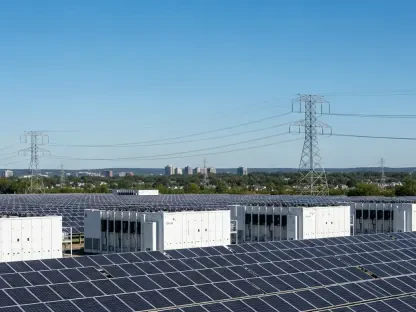
Parallel to the solar surge, the battery storage market has witnessed an extraordinary boom, with small-scale ESS registrations soaring to 639 MWh in September, a staggering 55% jump from the prior month. This figure accounts for 75% of the total capacity installed throughout the previous year, illustrating an accelerated pace of adoption that is reshaping the energy storage landscape. Industry insights suggest a pivotal shift, as standalone battery setups are increasingly being replaced by combined PV-plus-ESS systems. This trend not only drives renewed interest in solar installations but also reflects a growing consumer desire for comprehensive energy solutions that offer greater independence from the grid. The rapid integration of storage with solar highlights how Australians are prioritizing long-term savings and reliability in their energy strategies.
Evolving Consumer Preferences for Batteries
Further analysis of battery storage trends uncovers a clear evolution in consumer behavior, with the average battery size rising to 24.40 kWh in September, up from 21.36 kWh in August and 19.84 kWh in July. This increase points to a marked preference for higher-capacity units capable of meeting expanded energy demands. Growth in installations was consistent across all states, with New South Wales leading at 238 MWh, followed by Queensland at 130 MWh and Victoria at 107 MWh. The 30-50 kWh segment emerged as the fastest-growing category, fueled by federal rebates for battery systems and rising interest from small businesses seeking tailored energy solutions. This shift toward larger storage capacities indicates a maturing market where resilience against power outages and optimization of solar energy usage are becoming key priorities for both residential and commercial users.
Reflecting on Market Milestones
Looking back, the remarkable strides made in Australia’s rooftop solar and battery storage sectors during September stood out as a testament to the nation’s commitment to renewable energy. The installation of 237 MW of PV capacity and 639 MWh of ESS capacity marked significant milestones, reflecting a strategic pivot toward integrated energy systems among consumers. Yet, the lag in year-to-date figures compared to the previous year hinted at persistent challenges that tempered the industry’s overall growth. Moving forward, stakeholders must focus on addressing potential barriers such as market saturation or policy gaps to sustain this momentum. Encouraging innovation in technology and expanding incentives could further bolster adoption rates, ensuring that the benefits of solar and storage solutions reach an even wider audience. As the market continues to evolve, a balanced approach to overcoming hurdles while capitalizing on current enthusiasm will be crucial for shaping a resilient and sustainable energy future.