
New York State stands at a critical juncture where its ambitious environmental goals are colliding with the pragmatic realities of its energy infrastructure, creating a challenging landscape for economic stability and future growth. As the state grapples with an electric grid unprepared for a projected doubling of demand over the next two decades, the exclusive pursuit of electrification is revealing significant vulnerabilities. This situation demands a more versatile and resilient energy strategy, one that can bridge the gap between current capabilities and future aspirations. The debate is no longer about whether to transition to cleaner energy, but how to do so in a manner that ensures reliability, affordability, and economic competitiveness. An “all-of-the-above” approach that incorporates immediately viable solutions has become essential, shifting the focus toward a diversified portfolio that can sustain the state’s economy while still making substantial progress on environmental targets. This strategic pivot is crucial for reversing an unfavorable business climate marked by population decline and high operational costs.
The Case for a Diversified Energy Strategy
Overcoming the Limits of Electrification
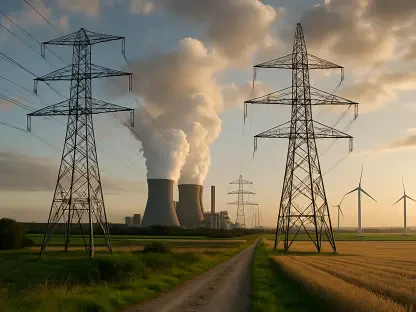
The state’s ambitious push toward comprehensive electrification, while commendable in its environmental intent, faces formidable logistical and economic hurdles that can no longer be overlooked. The existing electric grid is simply not equipped to handle the monumental increase in demand that would result from a complete shift in transportation and building heating. Projections indicate a doubling of electricity needs within the next twenty years, a surge that would require an unprecedented and costly overhaul of generation, transmission, and distribution infrastructure. Federal policy challenges further complicate this path, creating uncertainty and potential delays in the very projects needed to support such a transition. This growing realization has fostered an emerging bipartisan consensus that a more balanced and diversified energy portfolio is imperative. Lawmakers and industry leaders are increasingly acknowledging that relying on a single energy pathway is a high-risk proposition that could jeopardize grid stability, drive up costs for consumers and businesses, and ultimately hinder the state’s economic progress. A pragmatic re-evaluation is underway, seeking to integrate multiple energy sources to build a more resilient and reliable system.
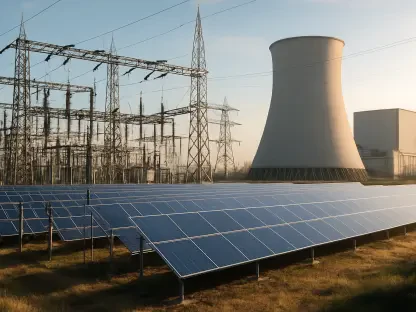
This reassessment is not a retreat from environmental goals but a strategic recalibration to ensure they are achievable without crippling the economy. The core issue is one of capacity and timing; the transition to a fully electric future requires a gradual and phased approach supported by reliable alternatives in the interim. The instability of an overburdened grid poses a direct threat to businesses, particularly those in energy-intensive sectors like manufacturing, biotechnology, and data management. Unreliable power can lead to operational disruptions, lost productivity, and a general reluctance for new enterprises to invest in the state. Consequently, the call for an “all-of-the-above” strategy is gaining momentum. This approach advocates for leveraging a mix of energy solutions, including low-carbon liquid fuels, to manage the transition smoothly. By diversifying its energy sources, New York can ensure a steady and affordable power supply, which is the bedrock of a healthy business environment. This pragmatic shift allows the state to continue its decarbonization efforts while simultaneously shoring up the energy reliability that is essential for retaining existing businesses and attracting new investment.
Biofuels as a Practical and Immediate Solution
Among the most promising components of a diversified energy strategy are biofuels, which offer a powerful and readily available solution for reducing carbon emissions without delay. Defined as a diesel replacement derived from renewable waste sources—such as used cooking oil, recycled restaurant grease, and animal fats—biofuels present a compelling environmental case. These advanced fuels can reduce greenhouse gas emissions by up to 86% compared to traditional petroleum-based diesel, providing a significant and immediate impact on the state’s carbon footprint. Their production from waste streams also contributes to a circular economy, turning discarded materials into a valuable energy resource. This advantage positions biofuels not just as a transitional fuel but as a long-term, sustainable component of New York’s energy mix. Several municipalities and agencies across the state have already demonstrated the efficacy of this approach. For instance, New York City’s extensive use of biofuels in its heavy-duty vehicles and emergency fleets is preventing over 162 million pounds of carbon emissions annually, showcasing the technology’s scalability and real-world benefits.
The most significant operational advantage of biofuels is their “plug-and-play” compatibility with existing infrastructure, which eliminates the need for massive and costly overhauls. Unlike electrification, which requires new vehicles, charging stations, and extensive grid upgrades, biofuels can be seamlessly integrated into current systems. They can be used in existing transportation fleets—from sanitation trucks to public buses—and in building heating systems without requiring any engine or boiler modifications. This “drop-in” capability provides a practical and financially viable pathway for decarbonization. Successful adoption at key locations like the Westchester County Airport, by the Port Authority, and in the Village of Croton-on-Hudson further underscores this point. These entities were able to significantly lower their emissions without incurring the disruptive capital expenditures associated with a complete switch to electric systems. This inherent compatibility allows for rapid deployment, enabling New York to make immediate progress on its climate goals while the longer-term transition of the electric grid continues. For businesses and municipalities, this means a lower-risk, lower-cost route to sustainability.
Fueling Economic Revitalization and Business Growth
Improving New York’s Business Climate
A reliable and affordable energy supply is the cornerstone of a competitive business environment, and biofuels are uniquely positioned to provide the stability New York needs to reverse its economic fortunes. The state has been contending with an unfavorable business climate, characterized by a net population loss and some of the highest operational costs in the nation. A key contributor to this challenge is the uncertainty surrounding the future of its energy supply. By integrating biofuels into its energy portfolio, New York can offer a dependable, low-carbon energy source that alleviates the pressure on its strained electric grid. This provides businesses with a clear and stable pathway to transition away from fossil fuels without risking the operational disruptions associated with potential power shortages or volatile electricity prices. Such stability is a powerful incentive for companies to remain in New York and for new enterprises to consider it a viable location for their operations. It sends a clear signal that the state is committed to a pragmatic energy policy that balances environmental responsibility with economic reality.
This enhanced energy security is particularly attractive to high-growth sectors that are critical to New York’s future economy, including biotechnology, advanced manufacturing, and semiconductors. These industries are highly energy-intensive and cannot tolerate the risk of an unreliable power supply. The assurance of a consistent energy source, supplemented by low-carbon liquid fuels, makes New York a much more appealing destination for the significant investments these sectors require. By providing a stable operational environment, the state can better compete for the advanced technology companies that are shaping the modern economy. This, in turn, can help stem the tide of out-migration and create high-quality jobs, fostering a cycle of economic revitalization. Ultimately, embracing a diversified energy strategy with biofuels at its core is not just an environmental decision; it is a fundamental economic development strategy that can make New York a more attractive and competitive place to do business for years to come.
Creating a Robust Biofuel Economy
Expanding the state’s biofuel market is not merely a strategy for energy diversification; it is a powerful economic catalyst with the potential to generate significant job growth across multiple sectors. A concerted effort to promote the production and use of biofuels would stimulate economic activity from the ground up. The agricultural sector would benefit from new markets for feedstocks, while the fuel distribution and logistics industries would see increased demand for transportation and storage services. Moreover, a thriving biofuel market would foster a new wave of clean-tech innovation, creating opportunities for research, development, and advanced manufacturing within the state. This comprehensive economic impact would create a resilient, localized supply chain that supports New York’s economy while simultaneously advancing its environmental objectives. The development of this new industry would provide a tangible return on investment, translating clean energy policy into sustainable careers and economic prosperity for communities across the state.
To unlock this economic potential, New York must implement decisive policies that signal its long-term commitment to low-carbon fuels. The most critical step is for state lawmakers to prioritize and enact a low-carbon fuel standard (LCFS). Such a policy, modeled after a highly successful program in California, would create a market-based framework that incentivizes the production and use of cleaner fuels, including biofuels. An LCFS would provide the regulatory certainty that producers need to invest in expanding their operations within the state, ensuring a wider availability and more competitive pricing for these fuels. By establishing a clear and predictable market, New York would not only attract investment but also position itself as a leader in the national clean energy economy. This forward-thinking policy would serve as the cornerstone for building a robust biofuel sector, demonstrating that a commitment to environmental stewardship can and should go hand-in-hand with a dynamic and growing economy.
A Path Forward Through Pragmatic Policy
The state had arrived at a pivotal moment where its policy choices would define its economic and environmental trajectory for decades. The debate over its energy future had highlighted the significant risks of a single-minded approach and underscored the necessity of a more balanced and pragmatic strategy. By integrating biofuels, New York had the opportunity to immediately reduce its carbon footprint, enhance the reliability of its energy supply, and create a more favorable climate for business investment and job creation. The successful adoption of biofuels in various municipalities had already provided a clear proof of concept, demonstrating that this path was not only viable but also highly effective. The critical next step involved translating this understanding into concrete legislative action, particularly through the implementation of a low-carbon fuel standard that could catalyze a thriving in-state market. This move represented progress over policy paralysis, charting a course that aligned environmental stewardship with robust economic development.