
An Emerging Answer to a Looming Power Problem
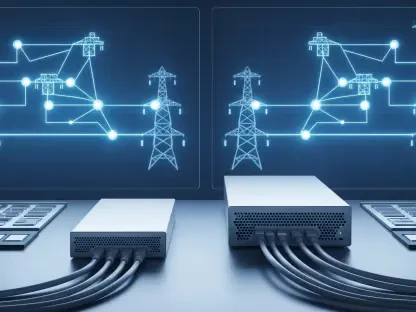
The Pacific Northwest, a region historically defined by its seemingly endless supply of clean hydropower, is confronting an unprecedented energy paradox that threatens reliability for millions of its residents. As energy demand grows and the foundational dynamics of the power grid continue to shift, the transmission arteries that carry electricity are becoming critically congested. In response to this looming challenge, a powerful new solution is taking shape in the form of large-scale battery storage. This analysis explores whether innovative developments, such as the 200-megawatt Greenwater Energy Storage Project near Tacoma, Washington, represent a viable answer to the region’s grid crisis. It will examine the deep-seated transmission constraints driving this need, assess how battery systems operate as a “non-wires alternative,” and navigate the broader technological and regulatory landscape shaping the future of energy in the Northwest.
From Hydropower Haven to Importer’s Dilemma
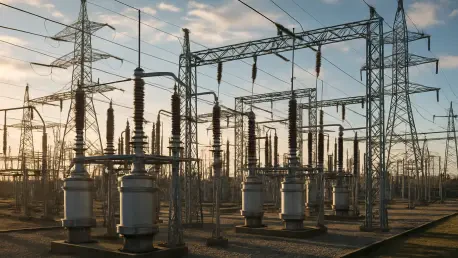
For decades, the Pacific Northwest served as a bastion of energy self-sufficiency and a net exporter of electricity, a status built upon its vast network of hydroelectric dams along the Columbia River and its tributaries. This system, managed primarily by the Bonneville Power Administration (BPA), was the bedrock of the regional grid. Today, however, a fundamental reversal is underway. The combined pressures of changing climate patterns, evolving consumer demand, and the retirement of thermal power plants are steadily transforming the region into a net importer of electricity, especially during hours of peak demand. This shift has exposed a critical vulnerability: the transmission infrastructure, particularly along the vital Interstate 5 corridor between Seattle and Portland, was not engineered for this new reality. The result is a massive bottleneck that strains the entire system and severely limits the ability to move power where it is needed most.
The Promise and Practicality of Grid-Scale Storage
A New Model for Grid Stability: The Greenwater Project
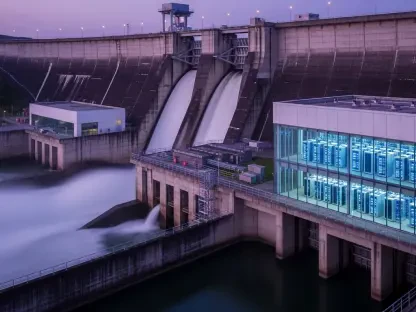
The Greenwater Energy Storage Project, a joint venture between BrightNight and Cordelio Power, represents a landmark response to this escalating grid strain. With $400 million in financing secured, the 200-MW/800-MWh facility is poised to become a crucial shock absorber for the regional grid. The system will operate under a tolling agreement, giving Puget Sound Energy (PSE) direct control to charge the battery with cheap, abundant power during off-peak hours and discharge it back into the grid when demand and prices soar. This function is aptly described as a “highway rest stop for electrons,” allowing PSE to manage congestion and bolster reliability without the immense cost and protracted timeline of building new power lines. This model offers targeted relief exactly where it is needed, directly addressing the transmission constraints that plague the Seattle-Tacoma metropolitan area.
The Limits of Traditional Infrastructure
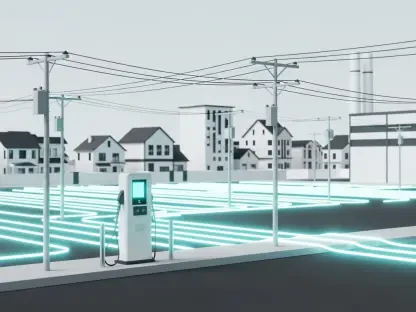
The strategic pivot toward solutions like Greenwater is largely a reaction to the enormous challenges associated with traditional grid upgrades. While the BPA has committed $3 billion to transmission expansion, such projects are notoriously slow and fraught with obstacles. High costs, complex and lengthy permitting processes, and significant public opposition can delay or derail new lines for years. The strain on the existing network is starkly illustrated by BPA’s transmission queue, which is overloaded with more than 65 gigawatts of unstudied service requests from new energy projects. The backlog has become so severe that the agency was forced to halt the acceptance of new requests after August 2024. This systemic gridlock makes “non-wires alternatives” like battery storage not just an innovative option but an increasingly essential one, providing a faster, more flexible path to adding capacity and resilience.
Navigating a Fractured Regional Market
Compounding these physical infrastructure limitations is an increasingly complex and contentious regulatory landscape. A recent lawsuit filed against the BPA by a coalition of environmental and energy groups highlights the region’s uncertain path forward on market integration. The suit challenges BPA’s decision to join the Southwest Power Pool’s Markets+ instead of the California Independent System Operator’s (CAISO) extended day-ahead market. Critics argue this choice could create unstable transmission “seams” between BPA’s territory and the noncontiguous Southwest grid, potentially elevating the risk of blackouts. This market fragmentation underscores the immense value of localized, dispatchable resources like batteries, which can act as a crucial buffer against inter-regional instability and ensure local reliability regardless of broader market dynamics.
The Road Ahead: AI, Innovation, and a Battery-Powered Future
The Greenwater project is not an isolated experiment but is positioned as the “first of several” planned by BrightNight, which sees Washington and Oregon as key markets for both standalone storage and hybrid generation-plus-storage facilities. The future success of this technology depends on more than simply building bigger batteries; it relies on intelligent operation. BrightNight is leveraging its proprietary AI platform, PowerAlpha, to optimize how these assets interact with the grid in real time. The platform analyzes the unique topology of the BPA system and local utility needs to deliver precisely timed charging and discharging cycles, thereby maximizing both grid stability and economic value. As the energy transition accelerates, this fusion of advanced hardware and sophisticated software will become essential for integrating intermittent renewables and managing an increasingly complex power system.
Unlocking Reliability: Key Takeaways for the Energy Sector
This analysis has revealed several critical takeaways for the energy sector. First, the Pacific Northwest’s grid is undergoing a fundamental transformation that its legacy infrastructure can no longer handle alone. Second, while long-term transmission upgrades are necessary, they are too slow and challenging to serve as the sole solution to today’s urgent reliability needs. Finally, strategically deployed battery energy storage systems have emerged as a critical, scalable, and readily available tool to alleviate congestion and firm up the power supply. For utilities, this means embracing innovative contracts like tolling agreements to gain flexible capacity without massive capital outlay. For regulators and grid operators like BPA, it highlights the importance of creating clear market pathways for storage assets to participate and be compensated for providing these essential grid services.
A Pivotal Moment for the Pacific Northwest Grid
The Pacific Northwest stood at a crucial crossroads, navigating the complex gap between its storied hydropower past and a more diverse, dynamic energy future. The grid crisis, driven by transmission bottlenecks and fundamentally altered power flows, was not a distant threat but a present-day reality. While battery storage alone could not solve every challenge, projects like Greenwater demonstrated that it was an indispensable component of a modern, resilient grid. These facilities were more than just infrastructure; they represented a strategic investment in regional energy security. They proved a viable path existed to integrate more renewables, enhance reliability, and ensure the lights stayed on for generations to come. The question was no longer if battery storage would play a central role, but how quickly it could be deployed to safeguard the region’s energy future.