
The unprecedented expansion of the digital economy has transformed the electrical grid from a background utility into the primary engine of modern industrial growth. As artificial intelligence and cloud computing demand localized, high-capacity infrastructure, the energy sector faces a monumental task in balancing immediate load requirements with long-term sustainability. Dominion Energy has responded to this shift by detailing a massive $65 billion capital investment strategy, specifically designed to address the surging power needs within its regulated territories through 2031. This strategy is not merely an incremental update to existing facilities; it represents a fundamental overhaul of how energy is generated and transmitted in one of the world’s most critical technology corridors. With Virginia serving as the global epicenter for data center operations, the utility must navigate a complex landscape of rapid sales growth, which has recently reached a weather-normalized rate of 5.4%.
Infrastructure Development for the Digital Age
Scaling Grid Capacity for High-Density Loads
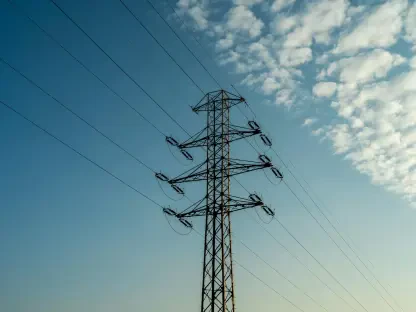
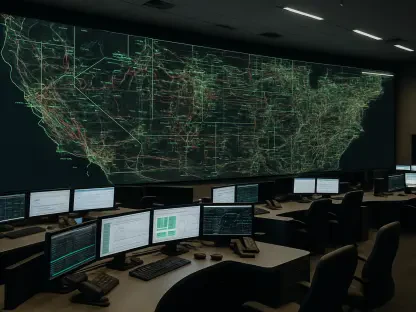
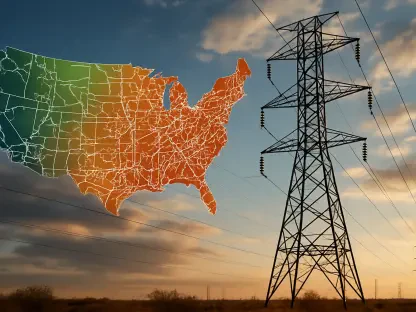
The sheer volume of energy required to sustain modern data centers necessitates a radical expansion of the existing transmission and distribution network. Dominion currently oversees approximately 48.5 GW of contracted data center capacity at various stages of development, a figure that highlights the massive scale of the digital infrastructure boom. To ensure that this demand does not compromise grid reliability for residential and commercial customers, the utility has dedicated 45% of its $65 billion budget to strengthening its wires and substations. This investment focuses on high-voltage transmission lines capable of carrying vast amounts of electricity into “Data Center Alley,” where the concentration of server farms is higher than anywhere else on the planet. By prioritizing these structural upgrades, the company aims to prevent bottlenecks that could otherwise stifle economic development or lead to localized power outages during peak usage periods.
Beyond the physical wires, the modernization of the distribution system involves integrating advanced monitoring technologies and automated switching capabilities. This technological layer allows the grid to be more resilient and responsive to real-time changes in demand, which is essential when dealing with the heavy, constant loads typical of large-scale data facilities. The 5.4% annual growth rate projected for the next decade suggests that the pressure on the grid will only intensify, making these early investments in distribution infrastructure a critical safeguard for future stability. By focusing on the reliability of the “last mile” of electricity delivery, the utility ensures that the rapid influx of high-tech tenants does not outpace the physical capacity of the regional network. This proactive approach to infrastructure helps maintain a stable environment for multinational corporations that require 99.999% uptime for their global digital operations.
Strategic Integration of Thermal Generation Assets
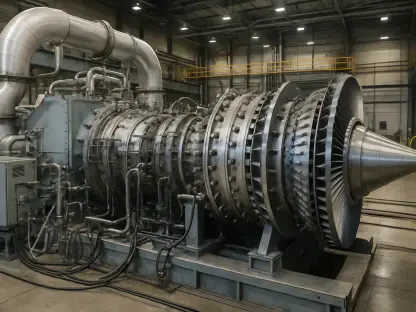
While renewable energy remains a core component of the long-term transition, the immediate need for “always-on” baseload power has led to a significant allocation for natural gas generation. Approximately 18% of the capital plan is earmarked for new gas-fired plants, which provide the dispatchable energy necessary to balance the intermittent nature of wind and solar. Dominion has already taken steps to insulate itself from global supply chain disruptions by securing the necessary turbines for these facilities well in advance, ensuring that construction can proceed without the delays that have plagued other major energy projects. These gas assets serve as a bridge, providing the firm capacity required to meet the stringent power quality and reliability standards demanded by data center operators. Without this thermal backup, the grid would struggle to handle the massive, non-stop power draw of AI-focused server clusters that operate around the clock.
The role of natural gas in this strategy also extends to its ability to ramp up production quickly during periods of low renewable output or unexpected spikes in demand. By strategically placing these generation sites near high-growth hubs, the utility reduces the distance power must travel, thereby minimizing transmission losses and improving overall system efficiency. This portion of the investment reflects a pragmatic acknowledgment that the current state of battery storage technology, while improving, is not yet capable of supporting the multi-gigawatt requirements of a major technological corridor on its own. Consequently, the combination of advanced gas turbines and a robust fuel supply chain forms the backbone of the utility’s reliability mission. This balanced approach ensures that the pursuit of clean energy goals does not come at the expense of the operational integrity that the regional economy depends upon for its daily functions.
Sustainable Energy Transitions and Future Expansion
Advancing Offshore Wind and Renewable Storage
A cornerstone of the transition toward a cleaner grid is the 2.6-GW Coastal Virginia Offshore Wind project, which stands as a flagship initiative for the entire American energy industry. This project represents a massive engineering feat, involving the installation of 176 monopiles and multiple offshore substations to capture the consistent wind energy found off the Atlantic coast. Despite facing earlier regulatory hurdles and a temporary federal stop-work order, the project has regained momentum and is currently on schedule to deliver its first power to the grid by early 2027. The successful deployment of this facility is essential for meeting Virginia’s stringent clean energy mandates, which require utilities to gradually phase out carbon-intensive generation. By investing 13% of the total capital budget into solar and energy storage, the utility is building the flexible capacity needed to integrate this offshore wind power effectively into the broader regional energy mix.
The integration of solar power and large-scale battery storage acts as a vital complement to the offshore wind assets, providing a more diversified renewable portfolio. These storage systems are particularly important for managing the surplus energy generated during peak solar hours, allowing it to be discharged when the sun sets and data center demand remains high. This creates a more resilient and self-sustaining ecosystem that reduces the reliance on external power markets during volatile periods. As these renewable technologies mature, they provide a hedge against the fluctuating costs of fossil fuels, potentially stabilizing long-term energy prices for all consumers. The ongoing commitment to the offshore wind project, even in the face of logistical challenges, demonstrates a long-term vision that prioritizes both environmental responsibility and the high-capacity needs of the modern digital economy, ensuring the region remains a competitive hub for global tech firms.
Anticipating Post-2030 Growth and Scalability
The current $65 billion investment plan is increasingly viewed by industry analysts and company leadership as a foundational baseline rather than a final ceiling. Financial forecasts indicate that the investment needs are heavily weighted toward the early 2030s, as the full impact of the second wave of data center development begins to hit the grid. As artificial intelligence models become more complex and require even higher power densities, the utility may need to expand its capital budget to keep pace with these evolving requirements. This potential for upward revision suggests that the energy sector is entering a period of sustained, long-term capital intensity that will define the industry for decades. The ability to scale infrastructure quickly and efficiently will be the primary differentiator between utilities that can support high-growth industries and those that fall behind due to grid constraints and outdated generation portfolios.
Moving forward, the focus must shift toward creating a modular and highly adaptable grid that can accommodate new technologies as they emerge. Decision-makers should prioritize the development of advanced nuclear options, such as small modular reactors, and longer-duration energy storage solutions to further decarbonize the baseload power supply. Organizations operating within these energy-intensive corridors should engage in deeper collaboration with utilities to synchronize their expansion plans with grid upgrades, ensuring that localized power availability does not become a bottleneck for innovation. By viewing energy infrastructure as a dynamic, evolving asset rather than a static utility, the industry can better navigate the transition to a high-capacity, low-carbon future. The lessons learned from the current deployment of offshore wind and high-voltage transmission will serve as the blueprint for the next generation of global energy projects, setting a standard for how modern economies can power the digital frontier.
The strategic deployment of capital across these various sectors has established a clear roadmap for balancing economic growth with operational stability. By the conclusion of the previous fiscal period, the utility had successfully navigated several regulatory and logistical hurdles, ensuring that major projects remained on track to meet the soaring demand. These efforts solidified the foundation for a more resilient grid, characterized by a mix of high-capacity transmission, reliable thermal backup, and a growing portfolio of renewable assets. The successful installation of the initial offshore substations and the procurement of critical turbine components demonstrated a proactive management style that mitigated external risks. Ultimately, the transition to a more robust infrastructure provided the necessary assurance to global technology leaders that the region remained a viable location for long-term digital investment.