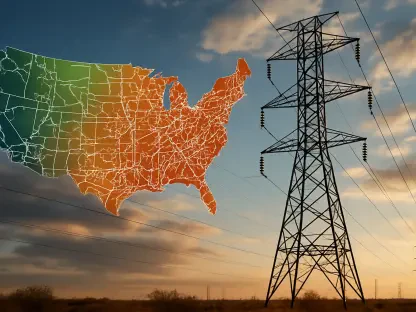

Imagine a region spanning 14 states, where the hum of electricity demand grows louder each day, threatening to outpace the aging grid’s capacity to deliver. This is the reality for the Southwest Power Pool (SPP), a critical grid operator tasked with ensuring reliable power across a vast swath of the U.S., from eastern New Mexico to parts of Montana. On a pivotal day this year, the Federal Energy Regulatory Commission (FERC) made a landmark decision, approving SPP’s temporary fast-track plan to expand existing power plants by up to 20%. This move comes as a beacon of hope amid looming energy shortages driven by skyrocketing demand and accelerating plant retirements. The ruling, while not without its limitations, marks a significant step toward addressing immediate resource adequacy challenges in a rapidly evolving energy landscape.
Breaking Down FERC’s Ruling on SPP’s Proposal
The heart of FERC’s recent decision lies in a three-part ruling that carefully balances urgency with regulatory oversight. The standout element is the approval of SPP’s “priority process,” a temporary mechanism allowing a one-time 20% capacity expansion at existing power facilities through an accelerated review. This decision directly impacts millions across SPP’s 14-state footprint, where the grid operator manages transmission and wholesale electricity markets. With demand soaring and older plants shutting down, the need for swift action has never been clearer. FERC’s nod to this initiative signals a recognition of the pressing capacity crunch, though it stopped short of endorsing broader changes.
Beyond approval, the ruling also reveals a cautious approach. While the priority process earned the green light, two companion proposals from SPP were turned down, underscoring FERC’s commitment to fairness and clarity. This mixed outcome highlights a key tension: how to expedite new power supplies without disrupting the equitable framework of grid access. As the details unfold, it becomes evident that this decision is not just about adding capacity—it’s about doing so in a way that maintains balance in a complex system.
Highlights of the Fast-Track Initiative and Beyond
Core Components of the Priority Process
At the core of SPP’s approved plan is a focused strategy to boost capacity at existing interconnection points. Effective from December 1 of this year to March 1 of the following year, the priority process targets “shovel-ready” projects, allowing a 20% capacity increase per facility. The criteria are stringent—projects must be operational within five years, major equipment must be secured with manufacturer commitments, and full financing must be in place. This structured approach ensures that only well-prepared expansions move forward, minimizing delays or speculative proposals.
FERC, alongside clean energy advocates, views this mechanism as a smart compromise. Groups like the American Clean Power Association have praised its non-discriminatory design, noting that it avoids sidelining other interconnection requests. By prioritizing incremental growth at established sites, the plan offers a practical way to shore up supply while maintaining order in the grid planning process. It’s a targeted fix for a pressing problem, with developers footing the bill for necessary studies and upgrades.
FERC’s Rejections and Reasoning
Not all of SPP’s ideas passed muster, however. Two related proposals were rejected, reflecting FERC’s reluctance to overreach without solid justification. One aimed to extend the fast-track process to plants retired in recent years, but FERC found the plan vague—questions lingered about whether capacity could balloon beyond original limits or stay capped at a 20% bump. This lack of specificity led to a firm no, as regulators sought to avoid unintended consequences.
The second rejected proposal would have given priority projects a leg up in interconnection study queues, placing them ahead of others before the initial phase. FERC deemed SPP’s reasoning too thin, lacking concrete evidence to show why such a shift was necessary or fair. This decision sends a clear message: urgency cannot override the need for transparent, well-supported reforms. FERC’s stance here acts as a guardrail, ensuring that speed doesn’t come at the expense of equity.
Voices from Stakeholders and Wider Implications
Reactions to the ruling paint a picture of cautious optimism among key players. Clean energy trade groups have rallied behind the approved process, commending its balanced framework that supports capacity growth without favoring specific developers. Their support underscores a growing consensus on the need for innovative yet fair solutions to grid challenges. Meanwhile, SPP itself sees this as a stepping stone in ongoing efforts to refine resource adequacy, including parallel initiatives like the Expedited Resource Adequacy Study.
Zooming out, this decision fits into a broader national push among grid operators to streamline power integration. The struggle to keep pace with demand isn’t unique to SPP—across the U.S., aging infrastructure and rising consumption are forcing tough choices. FERC’s ruling here serves as a potential blueprint, showing how targeted, temporary measures can address immediate needs while preserving long-term stability. It’s a conversation that’s only beginning to heat up as energy needs evolve.
A Glimpse at Grid Innovation Through Fast-Track Solutions
What stands out in SPP’s priority process is its innovative edge—a laser-focused solution that sidesteps the chaos of overcrowded interconnection queues. By zeroing in on existing facilities for modest expansions, it offers a quick infusion of capacity without the long wait times typical of new builds. This could serve as a model for other regions grappling with similar bottlenecks, providing a playbook for rapid response in a crunch.
Moreover, the financial stakes for developers are high, as they must fully fund impact studies and network upgrades. This requirement weeds out less serious contenders, ensuring that only committed projects move forward. As a piece of the puzzle in modern grid planning, this approach aligns with the urgent call for new power supplies, demonstrating that innovation doesn’t always mean sweeping change—sometimes, it’s about refining what’s already in place.
Reflecting on the Outcome and Path Forward
Looking back, FERC’s decision to approve SPP’s fast-track expansion plan marked a critical moment in the ongoing battle to secure reliable power across a vast region. The partial victory, with its 20% capacity boost for existing plants, provided a much-needed lifeline amid growing demand pressures. Yet, the rejection of broader proposals reminded all stakeholders that speed must be matched by substance and fairness, a principle that guided FERC’s measured response.
Moving ahead, the focus shifts to implementation and learning from this initiative. SPP must now refine its processes to ensure that eligible projects meet the rigorous criteria set forth, while other grid operators might draw inspiration from this model to craft their own solutions. Future discussions, including SPP’s Consolidated Planning Process, promise to build on this foundation, tackling deeper systemic challenges. Ultimately, this ruling laid the groundwork for pragmatic progress, urging the industry to balance immediacy with integrity as the U.S. grid faces an uncertain, high-stakes future.