
The Federal Energy Regulatory Commission has decisively intervened in the escalating collision between the digital economy’s insatiable energy appetite and the physical constraints of the nation’s power grid, issuing a landmark directive to the PJM Interconnection. This order mandates the creation of a formal framework for data centers to colocate directly at power plants, a move that fundamentally alters the market dynamics for both technology giants and traditional energy producers. This analysis explores the strategic drivers behind FERC’s decision, dissects the market implications for key stakeholders, and examines the long-term outlook for integrating massive new electrical loads into a system already under strain. The ruling is not merely a technical adjustment but a strategic repositioning that establishes a new paradigm for how critical infrastructure will power the next wave of technological innovation.
The Collision of AI Growth and Grid Constraints
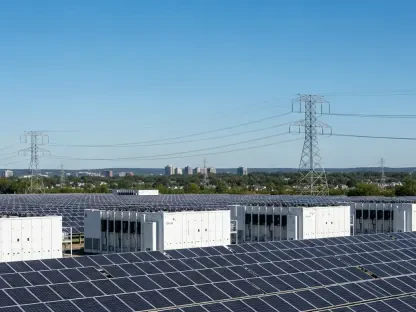
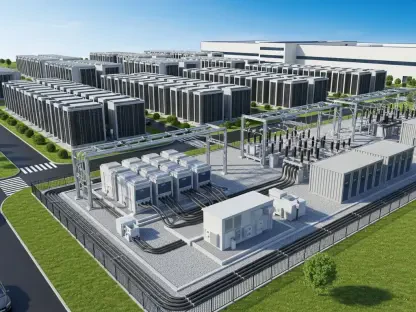
The current energy landscape is being reshaped by an unprecedented surge in demand, largely driven by the computational needs of artificial intelligence and the proliferation of data centers. Historically, large industrial customers would connect to the broader transmission network, a process that has become notoriously slow and congested, with projects often waiting years in interconnection queues. This bottleneck threatens to stifle technological growth and places immense strain on an aging grid infrastructure. The concept of colocation—siting a data center “behind-the-meter” at a power plant—emerged as a market-driven solution, offering a direct, reliable power source. FERC’s order moves this concept from a bespoke arrangement to a standardized, regulated pathway, acknowledging that the old model is insufficient for the speed and scale of today’s digital economy.
Unpacking FERC’s Strategic Mandate
A Proactive Stance on Grid Stability and Consumer Costs
At its core, FERC’s directive is a strategic effort to manage the immense new demand from data centers without destabilizing the grid or imposing exorbitant costs on residential consumers. Rather than restricting growth, the commission is creating a structured pathway that holds developers accountable. Regulatory leadership has emphasized a commitment to ensuring recent approvals required data center developers to fully fund necessary system upgrades to prevent costs from being socialized across all ratepayers. This approach frames the colocation model not just as an engineering solution but as a policy tool designed to ensure that the beneficiaries of technological progress bear the primary cost of the infrastructure required to support it.
Crafting New Pathways the Mechanics of Colocation Services
Under the order, PJM has 60 days to design three new transmission services specifically for colocated customers: interim non-firm, firm contract demand, and non-firm contract demand transmission. These services are tailored for users who can curtail their electricity consumption from the wider grid during periods of system stress, effectively acting as a flexible, self-contained load. This provides a critical reliability benefit. However, FERC also recognized that these facilities still rely on the broader grid for backup and stability. Consequently, the commission will evaluate whether these colocated loads should pay a minimum charge to contribute to the maintenance of the shared transmission system, ensuring they do not become “free riders” on infrastructure paid for by other customers.
Looking Beyond Colocation to Bolster Power Supply
FERC’s order acknowledges that managing demand is only half of the equation. To address the fundamental challenge of power supply adequacy, the commission has also mandated that PJM accelerate its efforts to bring new generation online. Specifically, PJM must report on the progress of its “Critical Issue Fast Path” process, an initiative aimed at expediting the interconnection of “shovel-ready” generation projects. This dual focus—creating rules for new loads while simultaneously pushing to fast-track new supply—demonstrates a comprehensive understanding that the data center boom requires a synchronized expansion of both generation and transmission capabilities to maintain a balanced and reliable grid.
The Future of Grid Integration and Large Scale Loads
The FERC mandate is a clear indicator of a future where the integration of large, energy-intensive industries will be more direct and dynamic. This colocation model could become a template for other power-hungry sectors, fundamentally altering grid planning and the relationship between energy producers and consumers. However, significant hurdles remain. As noted by federal regulators, the model may not be universally applicable, particularly in states where regulated utilities have an obligation to serve all customers within their territory, creating jurisdictional complexities. The long-term success of this strategy will depend on how regulators navigate these state-level conflicts and develop a more holistic approach to integrating both the massive loads and the new generation required to serve them.
Key Takeaways and Strategic Implications
This directive represents a pivotal moment, establishing a clear regulatory framework for one of the most significant challenges facing the modern grid. The major takeaways are threefold: FERC is proactively managing the AI-driven energy boom, the colocation model is now a formalized pathway for large loads, and there is a strong emphasis on protecting residential consumers from subsidizing industrial growth. For power generators like Constellation and Vistra, this opens a vital new revenue stream. For data center developers, it offers a potential solution to interconnection delays, albeit with new rules and cost responsibilities. For grid operators and regulators nationwide, PJM’s implementation will serve as a crucial case study for managing the energy transition.
Navigating the Energy Demands of Tomorrow
In the end, FERC’s mandate to PJM was more than a technical ruling; it was a foundational policy for the 21st-century energy economy. By creating standardized rules for data center colocation, the commission harmonized the rapid pace of digital innovation with the deliberate, regulated world of electricity infrastructure. This order underscored the critical long-term importance of proactive grid planning and innovative regulatory solutions. The challenge that emerged involved striking the delicate balance between enabling the technologies that defined our future and ensuring the electric grid remained reliable, affordable, and equitable for all.