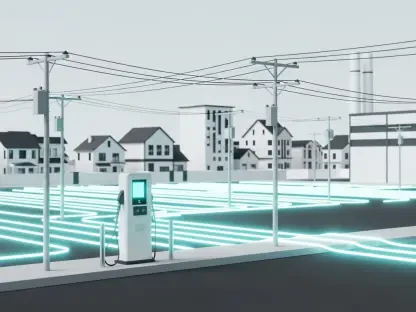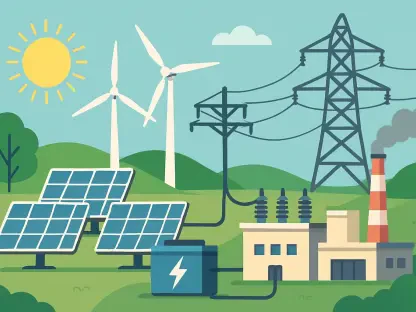

A profound transformation is currently sweeping across the North American energy landscape, as the era of simply counting megawatts to ensure the lights stay on has officially come to an end. In this new high-demand environment, where data centers and industrial electrification are pushing the limits of existing infrastructure, the industry has reached a critical inflection point. Traditional reliance on a simple surplus of installed capacity is no longer a viable metric for success; instead, the focus has shifted toward a sophisticated model of operational performance. This transition marks a fundamental change in how resilience is defined, moving away from theoretical resource adequacy and toward a complex, real-time integration of flexibility, market design, and weather-resilient planning.
Redefining Resilience in an Era of Structural Risk
The bedrock of electrical grid reliability was once a straightforward calculation of maintaining a surplus of firm power plants to meet the highest annual demand. However, the modern grid now operates under a state of constant structural risk, where the decoupling of theoretical capacity and actual delivery has become a daily reality. The shift is driven by a landscape increasingly dominated by weather-sensitive resources and a surge in consumption that defies historical patterns. Reliability is now understood not as a static planning number but as a dynamic function of how well a system can respond to rapid fluctuations in both supply and demand across all hours of the year.
As grid operators navigate this evolution, they are moving away from the “megawatt” risk model, which focused on peak events, toward a “megawatt-hour” risk framework. This newer approach prioritizes the ability to sustain energy delivery during fast-moving operational intervals, such as sudden ramping periods or fuel delivery constraints during extreme weather. The industry is currently witnessing a period where the mere presence of a resource on the interconnection queue is less important than its ability to perform under stress. This systemic change requires a total overhaul of legacy frameworks to ensure that the grid remains stable even when traditional thermal plants retire and transmission expansion lags behind.
The Evolution from Peak Demand to All-Hour Risk
Historically, the primary goal for grid planners was to survive the few hours of extreme heat or cold that defined seasonal peaks. Today, however, the North American Electric Reliability Corp. and various regional entities recognize that vulnerabilities are no longer confined to these predictable windows. With the widening gap between demand growth and the availability of dispatchable resources, more assessment areas are facing elevated reliability risks than ever before. The fundamental flaw in older planning models was the assumption that if a system had enough capacity for the peak, it was safe for the rest of the year.
Modern risks are far more decentralized and timing-dependent. A sudden drop in wind production, a software-driven forecasting error, or a localized failure in natural gas deliverability can trigger a crisis even when demand is nowhere near its annual record. Consequently, the focus has pivoted to ensuring that resources are available and capable of responding every hour of every day. This shift necessitates a move toward comprehensive energy-risk modeling that accounts for all 8,760 hours of the year, ensuring that the grid is prepared for the specific physical limitations and variability of a modern, diverse resource mix.
The Nuanced Role of Inverter-Based Resources and Flexible Loads
Managing the Variability of Battery Storage and Dispatch
While battery storage is a cornerstone of the modern grid, treating these assets as simple equivalents to traditional power plants is a dangerous oversimplification. The actual reliability contribution of a battery is highly variable, dictated by its state of charge, the availability of charging windows, and the specific market rules governing its dispatch. Unlike a gas-fired unit that can run continuously as long as fuel is supplied, a battery is inherently energy-limited. If market incentives do not account for these physical constraints, a grid might find itself with plenty of “nameplate capacity” but no actual energy to deliver during a multi-day weather event.
To mitigate this, operators are now focusing on the sophisticated coordination of these resources. It is not enough to simply have batteries connected to the grid; they must be managed as part of a holistic system that values duration and rapid response. Reliability in this context depends on ensuring that storage assets are incentivized to hold reserves for when they are truly needed rather than depleting their energy during low-stress periods. This requires a transition toward more granular operational data and better integration into the dispatch software used by system operators.
Aligning Large Flexible Loads with System Needs
The rise of massive, high-intensity users like cryptocurrency mining operations and hyperscale data centers has introduced a new variable into the reliability equation. These entities do not behave like traditional residential or commercial customers; they are highly price-responsive and can adjust their consumption in seconds based on market signals. If these large flexible loads are not perfectly aligned with the physical needs of the grid, their behavior can inadvertently amplify system stress. However, if managed correctly, they represent a powerful tool for stabilization.
Integrating these demand-side resources into the operational fabric of the grid is a major priority. By treating large loads as virtual power plants, operators can use them to balance frequency and voltage, providing a level of flexibility that was previously unavailable. This transition requires proactive management and clear communication between the grid operator and industrial consumers. When these loads are incentivized to curtail during critical windows, they act as a “negawatt” resource that is often faster and more reliable than ramping up a physical generator.
Regional Complexities and the Data Accuracy Challenge
The transition to a performance-based grid has also revealed that digital infrastructure is now as vital as physical hardware. As seen in recent extreme weather events, even a well-supplied grid can falter if load forecasting software fails to predict the behavior of weather-sensitive demand accurately. Software-driven errors can lead to a miscalculation of reserves, leaving operators scrambling to find power that should have been secured hours in advance. Furthermore, the interdependence of the natural gas and electric sectors remains a critical vulnerability, as a failure in gas deliverability can instantly negate “firm” capacity.
Regional disparities also play a role, with some areas more susceptible to localized constraints than others. There is a growing realization that adding more renewable energy or storage is not a cure-all; operational success depends heavily on cross-agency coordination and high-quality data. In many regions, the focus is now on improving the accuracy of weather models and ensuring that gas pipelines and electric generators are working in lockstep. This holistic view of the energy ecosystem is essential for preventing the cascading failures that characterized previous grid disruptions.
Emerging Trends in Market Design and Regulatory Reform
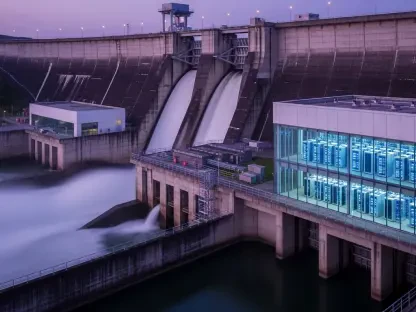
Innovation in market design is currently the primary driver for improving grid performance. One of the most significant shifts is the move toward Real-Time Co-optimization, which allows system operators to optimize energy and ancillary services simultaneously. This ensures that every resource on the grid—from a massive hydroelectric dam to a small battery farm—is dispatched based on its actual, real-time contribution to stability. By providing clear price signals for specific attributes like fast frequency response and ramping capability, markets are finally beginning to reflect the physical realities of the grid.
On the regulatory front, there is a clear trend toward mandatory standards rather than voluntary guidelines. Fuel assurance programs and rigorous weatherization requirements are becoming the norm, ensuring that “firm” capacity actually performs when the temperature drops. Experts predict that the future of grid management will be defined by “weather-resilient” baseline planning, where extreme events are no longer treated as surprises. This shift in mindset from reactive to proactive regulation is helping to close the gap between market incentives and the physical security of the power system.
Strategies for a Performance-Oriented Energy Landscape
For stakeholders navigating this new paradigm, success requires a shift in how energy assets are valued. Best practices now involve moving away from bulk volume and toward a focus on specific resource attributes, such as deliverability and duration. Businesses and grid operators should prioritize investments in grid-enhancing technologies that provide clear, fast-acting flexibility. This includes everything from advanced sensors on transmission lines to sophisticated demand-response programs that can shed load in an instant.
Aligning market signals with physical requirements remains the most effective way to ensure that the transition to a cleaner energy mix does not compromise security. Professionals in the field must adopt comprehensive energy-risk modeling that looks beyond the peak and accounts for the volatility of the modern energy environment. By focusing on operational readiness and technical innovation, the industry can build a system that is not just bigger, but smarter and more resilient to the challenges of the coming decade.
Conclusion: Prioritizing Operational Readiness
The transition from a capacity-focused reliability model to one centered on operational performance represented a fundamental maturation of the energy sector. This evolution demonstrated that a grid’s strength was not found in static numbers on a spreadsheet but in the dynamic ability of its resources to respond to real-time stress. By moving away from the simplistic goal of maintaining a megawatt surplus, the industry successfully addressed the structural risks posed by weather volatility and shifting demand patterns. The focus on duration, deliverability, and data accuracy allowed for a more resilient system that could withstand the complexities of a modern resource mix.
Ultimately, the shift toward performance-based reliability provided a clear roadmap for navigating the energy transition without sacrificing stability. The implementation of real-time optimization and mandatory weatherization standards proved that administrative and technical discipline could effectively bridge the gap between theoretical adequacy and operational reality. As the grid continued to evolve, the lessons learned from this period underscored the importance of valuing resource attributes over bulk volume. This strategic realignment ensured that the power system remained a reliable foundation for economic growth and public safety in an increasingly electrified world.