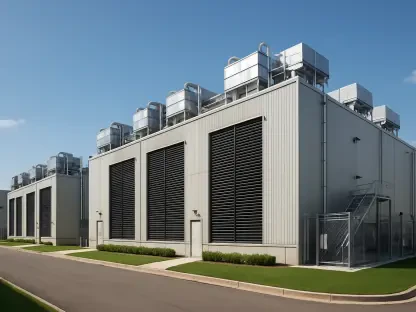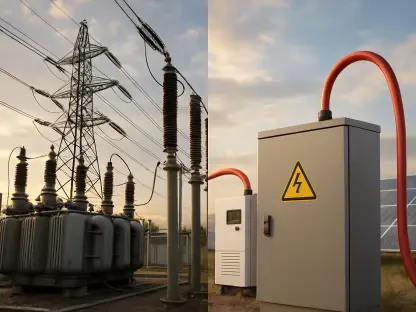

The flickering hum of a straining electrical transformer in a sweltering American suburb serves as a persistent reminder that the nation’s power backbone was never designed for the volatile climate or the digital-heavy lifestyle of the present day. For years, the infrastructure that keeps lights on and hospitals running has languished under a patchwork of aging hardware and regulatory bottlenecks that prioritize yesterday’s fuels over tomorrow’s innovations. Now, a massive legislative effort is taking aim at this fragile status quo, attempting to rewire the very foundation of how the United States generates and distributes electricity.
Challenging the Status Quo of the American Power Sector
The American electrical grid, a complex web of aging infrastructure and outdated policies, is facing its most significant legislative challenge in years. As energy demands soar due to technological growth and shifting climates, the “Energy Bills Relief Act” emerges not just as a policy update, but as a fundamental rejection of fossil-fuel-centric management. Led by Representatives Sean Casten and Mike Levin, this proposal from over 120 House Democrats seeks to dismantle the regulatory framework of the previous administration, asking a critical question: Can a grid built for the 20th century survive a 21st-century transition without a complete structural overhaul?
This legislative maneuver signals a departure from incrementalism, opting instead for a systemic reboot that addresses how power is bought, sold, and moved across state lines. The sponsors argue that the current system is rigged to favor expensive, less efficient legacy plants while green energy developers are left waiting in metaphorical lobby lines for years. By challenging these entrenched interests, the bill attempts to force a reckoning with the technical and economic realities of a modernizing world.
The Urgent Need for Modernization and Cost Relief
The U.S. energy landscape has long been bogged down by “emergency” declarations that keep inefficient, high-emission plants online, often at the expense of the taxpayer. These legacy policies have created a bottleneck, where modern renewable projects sit idle in years-long queues while older gas-fired plants maintain priority access. This legislative push responds to a growing consensus among environmental advocates and former federal regulators that the current path is unsustainable. By reversing the rollback of clean energy tax credits and addressing the inefficiencies of the “One Big Beautiful Bill Act,” proponents argue they can simultaneously lower monthly utility bills and fortify the grid against future volatility.
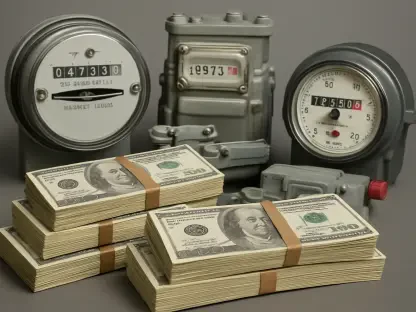
Beyond the environmental implications, the act targets the financial burden placed on average households. High-cost fossil fuel maintenance often translates directly into higher monthly premiums for consumers, even as the cost of wind and solar generation continues to plummet. The proposed reforms aim to bridge this gap, ensuring that the economic benefits of cheaper, cleaner energy are actually passed down to the people paying the bills rather than being absorbed by administrative delays or fossil fuel subsidies.
Strategic Pillars of the Energy Bills Relief Act
The legislation focuses on three primary areas of reform: prioritizing renewables, expanding transmission capacity, and increasing federal oversight.
Dismantling Fossil-Fuel Favoritism in Grid Access
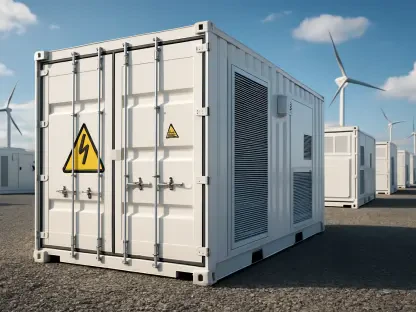
The bill aims to end the practice of allowing gas-fired power plants to skip ahead in interconnection queues. By removing the “fast-track” status for fossil fuels, the legislation levels the playing field for wind, solar, and storage projects that are currently stalled. This change ensures that the merit of an energy project is based on its efficiency and cost-effectiveness rather than its fuel type.
Expanding Transmission Through Federal Siting Authority
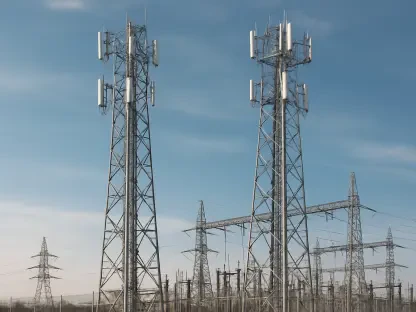
To overcome the “not in my backyard” (NIMBY) hurdles that often kill interstate energy projects, the bill grants the Federal Energy Regulatory Commission (FERC) exclusive siting authority for “national interest” transmission lines. This shift is designed to streamline the construction of long-range lines that carry renewable energy from rural areas to high-demand urban centers. Without this federal intervention, many projects would likely remain trapped in local litigation for decades.
Incentivizing Advanced Grid Technologies
Beyond just building more wires, the act introduces a 30% investment tax credit for advanced and superconducting transmission projects. This encourages the adoption of “grid-enhancing technologies” that allow existing power lines to carry significantly more electricity without the need for new construction. By upgrading the “software” and materials of the grid, the U.S. can increase capacity rapidly while minimizing the physical footprint of new infrastructure.
Expert Perspectives on Governance and Market Impact
Former FERC officials and energy economists have highlighted that the technical management of the grid is just as vital as the hardware itself. The act addresses this by granting the FERC chairman expanded hiring authority to fill critical staffing gaps and mandating reforms in how regional grid operators involve stakeholders. Critics and supporters alike point to the proposed LNG export restrictions as a major shift; the bill requires the Department of Energy to prove that new liquefied natural gas terminals won’t drive up domestic costs or harm marginalized communities. This focus on “energy justice” ensures that the transition to a greener grid does not leave vulnerable populations behind.
Moreover, the inclusion of independent oversight mechanisms seeks to bring transparency to a sector often criticized for its opacity. By empowering experts to scrutinize the cost-benefit ratios of major projects, the bill aims to prevent utility companies from over-investing in unnecessary projects that pad their bottom lines at the expense of the public. This structural change targets the root of bureaucratic inefficiency, aiming for a more agile and responsive regulatory environment.
Navigating the Path Toward a Decarbonized Future
For policymakers and energy advocates, the “Energy Bills Relief Act” serves as a definitive roadmap for the Democratic party’s energy priorities. While the bill faces legislative hurdles in a divided Congress, it offers a specific framework for state and federal cooperation:
Strengthening State-Level Utility Oversight
The bill provided resources to bolster staffing at state utility commissions, ensuring they possessed the technical expertise to manage complex renewable integrations. This support functioned as a bridge between high-level federal mandates and the practical, localized realities of power distribution.
Implementing Independent Cost Monitors
To protect consumers from runaway infrastructure costs, the legislation proposed the use of independent monitors to oversee the deployment of transmission projects, ensuring that upgrades remained both necessary and cost-effective. These monitors acted as a safeguard against predatory pricing and project mismanagement during the transition phase.
Verifying Environmental and Social Impact
By establishing new hurdles for gas exports and focusing on “national interest” projects, the framework provided a template for balancing economic growth with climate commitments and community health. It challenged future administrations to view energy policy through the lens of long-term sustainability rather than short-term political gain.