
The rhythmic hum of a household refrigerator has become a far more expensive soundtrack for millions of American families who now find themselves trapped between rising inflation and the soaring costs of powering their daily lives. While the sticker shock at the grocery store or the monthly rent check often commands the most attention in public discourse, a quieter but equally devastating economic crisis is currently unfolding inside electrical breaker boxes across the nation. Electricity rates are climbing at a pace not seen in several decades, presenting a unique political and financial headache for state leaders who are struggling to balance the needs of a digital economy with the financial realities of their constituents.
Unlike global commodity markets for oil or grain, which can be swayed by international conflicts or distant climate events, utility prices are largely the direct result of specific state-level policy decisions and regulatory oversight. As governors and state legislators promise relief to their voters, they are forced to confront a daunting and uncomfortable reality. The traditional methods of managing the power grid, which relied on predictable, slow-moving demand and centralized power generation, are no longer compatible with the demands of a modern economy. This friction is leaving families to foot the bill for an increasingly outdated system that was never designed for the rapid technological shifts of the current decade.
The Invisible Price Hike: Why Your Monthly Utility Bill Is Surging
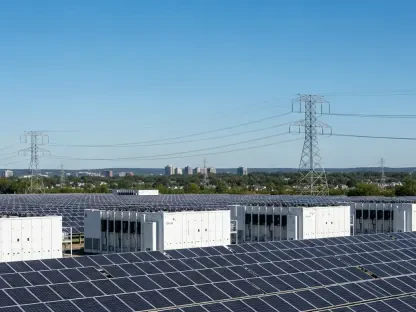
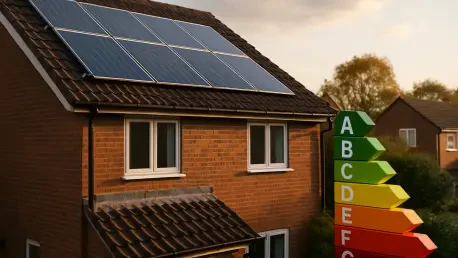
This surge in utility costs represents an invisible tax on the American household, one that is often difficult to escape through simple conservation efforts. The primary driver behind these rising costs is not merely the consumption of more energy, but the massive capital investments that utilities are making to maintain an aging infrastructure while trying to accommodate new types of demand. When a utility company decides to build a billion-dollar substation or a new high-voltage transmission line, those costs are not absorbed by the company shareholders alone; they are distributed across the entire customer base, often manifesting as steady, incremental increases in the base rate of a monthly bill.
Furthermore, the regulatory structure in many states still operates on a model that incentivized utilities to spend more on physical infrastructure to earn a guaranteed return on investment. This “cost-plus” system creates a natural inclination for utilities to favor large, expensive construction projects over cheaper, more efficient technological solutions. Consequently, the average consumer finds themselves paying for the “gold-plated” grid of the past rather than the streamlined, digital grid of the future. Without a fundamental shift in how these companies are regulated and rewarded, the trend of rising bills will likely continue unabated, regardless of the actual cost of generating power.
The Load-Growth Supercycle: A Perfect Storm for the American Grid
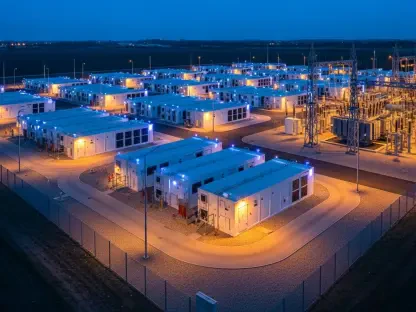
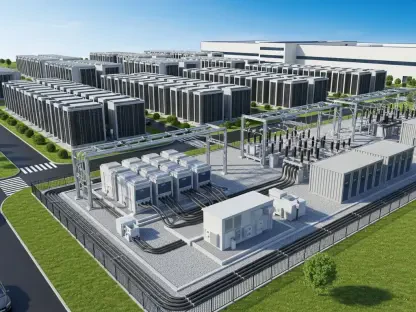
For the first time in nearly a generation, the United States is witnessing a massive surge in electricity demand that experts have dubbed a “load-growth supercycle.” This phenomenon is being propelled by three primary forces that are converging simultaneously: the explosive expansion of data centers required to power artificial intelligence, a significant revitalization of domestic manufacturing, and the accelerating electrification of personal transportation and home heating. This sudden appetite for power has caught many utilities off guard, prompting a “build-more” reflex that prioritizes speed and scale over long-term cost efficiency for the average ratepayer.
Across the country, utilities are requesting over $31 billion in rate increases for the upcoming year to fund these massive capital projects. This rush to expand the physical footprint of the grid threatens to create a permanent “rate shock,” where residential consumers effectively subsidize the immense energy requirements of industrial giants and tech conglomerates. If the current trajectory remains unchanged, the financial burden of the AI revolution and the manufacturing boom will fall squarely on the shoulders of families who are already struggling to keep up with the cost of living, potentially leading to widespread public pushback against necessary technological progress.
Moving Beyond the “Gas-First” Reflex to Smarter Infrastructure
The conventional response to this rising demand has historically been a “gas-first” strategy, which involves the rapid construction of natural gas power plants and the expansion of pipeline networks. However, this approach is increasingly hitting a wall of practical and financial reality. Much of the current power grid is designed specifically to handle “peak hours”—those rare moments during the hottest summer days or coldest winter nights when demand is at its absolute maximum. This means that a significant portion of the infrastructure sits idle or underutilized for more than 50% of the year, yet ratepayers are still forced to finance the full cost of these multi-billion-dollar assets.
Moreover, the “build bigger” model is simply too slow to address the immediate needs of a fast-moving economy. Supply chain bottlenecks for critical components like large-scale transformers and the notoriously lengthy permitting processes for new pipelines and transmission corridors mean that traditional construction can no longer keep pace with the growth of the industrial sector. To maintain affordability, states must transition from a philosophy of “building bigger” to one of “managing better.” This requires maximizing the capacity of the wires already in the air and utilizing advanced software to squeeze every possible kilowatt of efficiency out of existing substations and feeders.
Lessons from the Field: Modernizing Regulatory Oversight
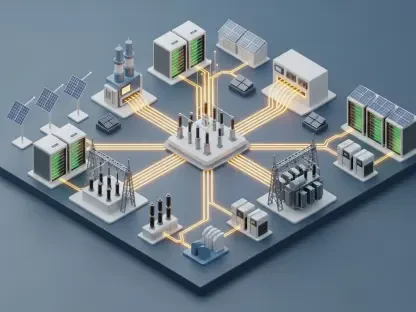
Forward-thinking states are beginning to realize that the path to long-term energy affordability lies in changing how utility success is measured and rewarded. In jurisdictions like Virginia, new legislative frameworks are shifting the focus away from how much a utility spends on new construction and toward how effectively it utilizes its existing assets. State regulators are increasingly demanding transparency through the implementation of “grid utilization metrics.” By requiring utilities to report real-time data on how much energy is flowing through specific parts of the system, regulators can identify bottlenecks that can be solved with software and smart sensors rather than expensive new concrete and steel projects.
There is also an growing recognition that the “social license” for the current industrial boom is at risk. If local communities begin to perceive that a new nearby data center or factory is the primary reason their home energy bill has doubled, the resulting public opposition could stall regional economic growth and delay vital infrastructure projects. Ensuring fair cost allocation is no longer just a technical exercise for economists; it has become a political necessity for maintaining public trust. States that successfully implement these modernized oversight rules are finding that they can attract new businesses while simultaneously protecting their residents from the most severe impacts of the energy transition.
The Five-Point Playbook for State-Led Grid Affordability
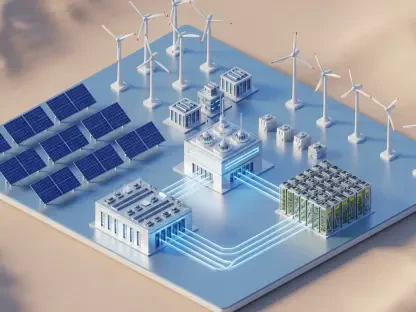
Modernizing the grid requires a multifaceted approach that moves beyond simple mandates. The first pillar of this strategy involves scaling Virtual Power Plants, or VPPs, which aggregate thousands of small-scale resources like smart thermostats and home batteries to provide extra capacity during peak times. This decentralized approach can often provide the same reliability as a traditional power plant but at a fraction of the cost and with much faster deployment times. Secondly, utilities should be required to deploy Grid-Enhancing Technologies, such as dynamic line ratings, which allow more electricity to flow through existing wires by monitoring real-time weather and temperature conditions.
The final three pillars focus on the relationship between large users and the broader public. Implementing large-load flexibility programs ensures that data centers and industrial users can reduce their usage during times of extreme stress on the system, preventing the need for expensive new “peaker” plants. Furthermore, modernizing rate design through the use of “large-load tariffs” ensures that if a specific industrial project requires a massive grid upgrade, the entity profiting from that project pays the bill, not the local homeowner. Finally, mandatory reporting of grid utilization data must become the standard, ensuring that every dollar spent on new infrastructure is justified by a clear, data-driven need that cannot be met through more efficient management of the current system.
The transition toward a more efficient energy landscape was achieved through a deliberate shift in how state leaders approached the intersection of technology and regulation. Policymakers recognized that the old paradigm of unchecked capital spending provided no path to sustainable growth, and they instead prioritized the integration of digital tools to optimize existing infrastructure. This move facilitated a more equitable distribution of costs, ensuring that the benefits of industrial expansion did not come at the direct expense of the average citizen’s financial stability. By focusing on asset utilization and performance-based incentives, states successfully lowered the long-term cost trajectory of the grid. These efforts ultimately demonstrated that a more resilient and affordable energy system was possible when transparency and innovation were placed at the heart of public policy.