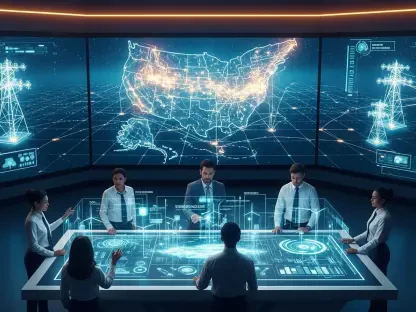

The global energy infrastructure now faces a confluence of surging demand from artificial intelligence and increasingly erratic weather patterns that threaten the historical reliability of centralized power systems. For the better part of a century, the invisible pulse of the electrical grid remained a secondary concern for the public, yet today, it sits at the center of national security and economic stability. The current landscape requires an urgent transition toward energy resilience, moving away from the rigid, centralized models that defined the previous era. As the world navigates the mid-2020s, a diversified energy portfolio—integrating renewables, advanced storage, and distributed resources—represents the only viable strategy to safeguard public safety in an increasingly volatile climate. This analysis explores how the shift from a fragile hierarchy to a flexible network is reshaping the utility sector and what it means for the future of global commerce.
The Legacy of Vulnerability and the Need for Change
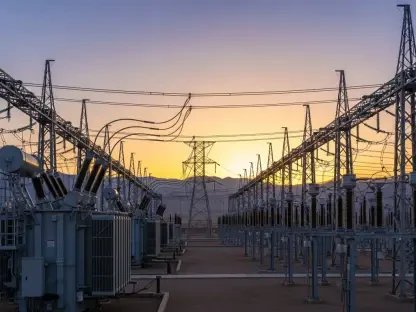
To appreciate the necessity of modern grid evolution, one must examine the inherent fragility of the legacy systems that preceded current advancements. For decades, the energy sector operated under a centralized model where massive, fossil-fuel-dependent plants transmitted power over vast distances to passive consumers. While this design facilitated industrial growth, it proved dangerously brittle when faced with the intensifying climate realities of the 21st century. The catastrophic blackouts in Puerto Rico following Hurricane Maria and the devastating energy failure in Texas during the 2021 winter storm highlighted the fatal flaws of over-reliance on a single type of infrastructure. These events resulted in staggering economic losses and significant loss of life, transforming grid management from a technical niche into a paramount issue of public survival and equity.
The historical vulnerability of the grid stemmed not just from physical age but from a lack of adaptability. When primary fuel sources or transmission lines failed due to extreme temperatures or physical damage, the entire system often entered a tailspin with no internal mechanism for self-healing. This realization prompted a massive shift in market sentiment, with 73 percent of households now expressing concern over rising costs and the reliability of their utility providers. Consequently, the mandate for change is no longer driven solely by environmental goals but by the practical requirement to build a system that can withstand the diverse threats of the modern age, including cyber-attacks and unprecedented shifts in temperature.
Strategies for a Robust and Decentralized Energy Future
The Power of Resource Diversification and Hybrid Systems
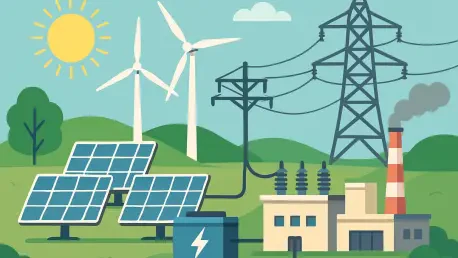
Building a resilient grid necessitates a departure from the search for a single fuel source in favor of a hybrid approach that spreads risk across multiple technologies. Relying on any individual generation method creates a single point of failure; if a gas pipeline freezes or a coal delivery is delayed, the stability of the entire region is compromised. Modern strategy emphasizes a diverse mix where wind, solar, and nuclear power provide a clean, consistent baseline while natural gas serves as a flexible balancer to manage fluctuations in production. Data from recent weather events indicates that regions utilizing a more diverse energy mix recover significantly faster and maintain service more reliably during peak demand periods. This diversification ensures that even if one sector is compromised, other components of the grid can pivot to maintain the integrity of the system.
The Role of Battery Storage in Stabilizing Supply
Perhaps the most transformative development in recent years involves the rapid scaling of utility-scale battery storage, which effectively solves the historical problem of energy intermittency. In key markets like Texas, battery capacity has seen a staggering 2,500 percent increase since the early 2020s, reaching 17 gigawatts. These systems function as massive power banks, absorbing excess energy during periods of high production and discharging it instantly when the sun sets or wind speeds drop. This rapid-response capability is essential for preventing the frequency drops that lead to rolling blackouts. By providing a buffer between generation and consumption, battery storage acts as the essential glue that holds a diversified, weather-dependent grid together, ensuring that supply always meets demand regardless of external conditions.
Distributed Energy Resources and Localized Resilience
Beyond large-scale power plants, the future of energy reliability lies in the proliferation of Distributed Energy Resources (DERs), such as rooftop solar, microgrids, and local storage units. These solutions offer a crucial safety net by allowing specific areas to operate independently from the main grid during emergencies. This decentralized approach moves the energy ecosystem away from a top-down hierarchy toward a web-like structure that is significantly harder to disrupt. By empowering communities and businesses to generate and manage their own power locally, the burden on aging national transmission lines is reduced. This granular level of resilience ensures that even during a major system-wide event, critical infrastructure like hospitals and emergency services can remain operational through localized generation.
Innovations and Trends Reshaping the Utility Sector
The evolution of the grid is currently being defined by a triple threat of rising demand: the expansion of data centers for artificial intelligence, the reshoring of domestic manufacturing, and the widespread electrification of transportation. To address these pressures, the industry is shifting toward smart grids powered by advanced analytics that can predict outages before they occur and reroute power in real-time. Regulatory frameworks are also evolving to support the growth of virtual power plants, which aggregate thousands of small, residential batteries into a single, dispatchable resource. As technology advances, the distinction between energy producer and consumer continues to blur, creating a dynamic marketplace where electricity is shared across a sophisticated, interconnected digital network.
Implementing Actionable Solutions for Grid Stability
For policymakers and industry executives, the transition to a resilient grid is a practical necessity that requires immediate investment in both infrastructure and policy reform. Success in this area depends on streamlining the permitting process for new transmission lines and providing incentives for long-duration storage technologies. On a local level, businesses and homeowners should prioritize the adoption of smart energy management tools and backup storage to mitigate the risks associated with price volatility. Proactive investment in a flexible, multi-faceted infrastructure is far more cost-effective than reactive repairs following a catastrophic failure. By embracing a diversified portfolio today, society can lower long-term energy costs and eliminate the utility anxiety that has plagued millions of households for years.
Building a Foundation for Long-Term Reliability
The journey toward a resilient and diversified power grid was a critical response to the systemic failures observed in previous years. It was clear that a centralized, stagnant infrastructure acted as a liability that modern society could no longer afford to maintain. By adopting a hybrid model that valued diversity and local independence, the industry successfully transformed the grid into a reliable foundation for the current century. This transition was essential for both the environment and the physical security of citizens across the globe. The strategic deployment of these technologies ensured that power remained a constant resource rather than a source of risk, providing the necessary stability for continued economic and social progress.