
The Western United States is currently navigating one of the most transformative periods in its energy history as utilities seek to balance reliability with aggressive decarbonization goals. A central figure in this transition is NV Energy, which recently received official authorization from the Nevada Public Utilities Commission to integrate its core subsidiaries, Nevada Power and Sierra Pacific Power, into the California Independent System Operator’s Extended Day-Ahead Market. This strategic decision marks a significant milestone in the ongoing evolution of Western grid management, reflecting a broader trend toward regional cooperation rather than isolated utility operations. By opting for the CAISO framework, Nevada is effectively anchoring itself within a sophisticated ecosystem that includes other major regional players such as PacifiCorp and Portland General Electric. This move is not merely a technical adjustment but a fundamental realignment of how power is bought, sold, and dispatched across state lines to ensure stability. The complexity of the modern grid requires these high-level integrations to manage the inherent variability of a high-renewables portfolio while maintaining the affordability that consumers expect in a volatile economic climate.
Strategic Realignment of Regional Grid Governance
Evolving Stakeholder Processes and Market Selection
The decision to join the Extended Day-Ahead Market follows years of intensive analysis regarding which regional platform offers the most robust governance and technical reliability for the Nevada ratepayer. Stakeholders closely monitored the evolving governance structure of the California Independent System Operator, ultimately finding that its transparent processes and proven track record in managing extreme grid events provided a superior level of security. In contrast to alternative models like the Southwest Power Pool’s Markets+, the California-based market offered a more immediate and seamless path toward total regional integration. This choice was heavily influenced by the presence of a diverse geographic footprint, which allows for the sharing of resources across vast distances. By participating in a unified market, NV Energy can mitigate the risks associated with localized weather patterns or unexpected generation outages. The transparent nature of these stakeholder-led processes ensures that the utility maintains a voice in the rules that govern the flow of electricity across the West. This participatory model is essential for ensuring that the specific needs of Nevada’s unique desert climate and growing industrial base are represented in broader regional policy discussions.
Modernizing Infrastructure for Enhanced Interconnectivity
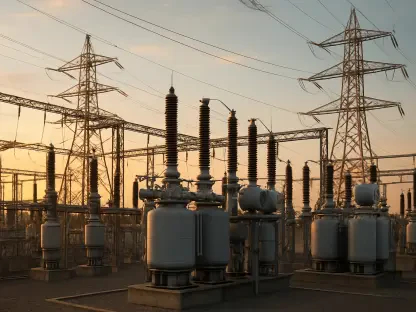
The physical backbone supporting this market transition consists of massive transmission projects that are currently under development or entering their final phases of completion. Chief among these is the $4.2 billion Greenlink initiative, a high-voltage transmission system designed to unlock the renewable potential of rural Nevada while strengthening the connection between the northern and southern parts of the state. These transmission lines act as the necessary conduits for the increased power flows that the Extended Day-Ahead Market will facilitate. Additionally, projects like the TransWest Express provide critical links to Wyoming’s abundant wind resources, creating a truly interconnected regional network. Without this substantial investment in hard infrastructure, the financial benefits of market participation would remain largely theoretical. These projects are designed to handle the bidirectional flow of energy, allowing Nevada to export excess solar power during the day and import wind or hydro power during the evening. This physical connectivity is the literal foundation upon which the future of the Western energy landscape is being built, ensuring that the market can deliver power where it is needed most.
Economic Efficiency and Long-Term Grid Resilience
Optimizing Financial Outcomes and Resource Dispatch
Financial considerations played a decisive role in the regulatory approval process, with projections indicating that the move to the Extended Day-Ahead Market will result in nearly $93.1 million in annual savings. These savings are primarily derived from lower overall production costs, as the utility will have access to a broader and more competitively priced pool of generation resources. Rather than relying on expensive, fast-start gas turbines during times of high demand, the utility can purchase lower-cost surplus energy from neighboring states through the day-ahead clearing process. This economic efficiency is a stark improvement over the estimated $7.3 million in annual benefits that would have been provided by competing market models. Moreover, the increased revenue from market sales and transmission wheeling provides a steady stream of income that supports long-term fiscal health. For the average consumer, these operational efficiencies translate into more stable rates and a reduced vulnerability to the volatile price swings often seen in the short-term energy markets. This proactive financial management is essential for funding the continued expansion of the grid while keeping electricity accessible for all residential and commercial sectors.
Future Considerations for Sustainable Market Integration
The transition toward the 2028 implementation of the Extended Day-Ahead Market necessitated a rigorous period of technical preparation and multi-state coordination. Utilities across the West began prioritizing the standardization of communication protocols and data-sharing agreements to ensure that the market functioned seamlessly from day one. To capitalize on this new landscape, energy providers focused on accelerating the deployment of smart-grid technologies that could respond to real-time market signals. Regulators and utility executives also looked toward expanding the geographic reach of these markets even further, exploring potential links with other interconnections to create a more resilient energy exchange. This proactive stance toward regionalization helped mitigate the risks of energy shortages and provided a clear pathway for the continued expansion of renewable energy sources. Stakeholders recognized that the success of this initiative depended on a sustained commitment to transparency and the equitable distribution of costs and benefits. As the Western grid evolved, the focus remained on building a flexible, high-capacity infrastructure capable of meeting the demands of a modernized and electrified economy through collective action.