
As electrical grids across the United States face unprecedented pressure from fluctuating demand and the transition to renewable energy sources, Minnesota is positioning itself at the forefront of this evolution with a bold new strategy. The Minnesota Public Utilities Commission recently signaled its confidence in this shift by approving Xcel Energy’s Capacity*Connect program, a comprehensive initiative that reimagines the relationship between a utility provider and its local distribution network. This project moves beyond traditional, centralized power plants to embrace a decentralized, battery-based virtual power plant model that integrates smaller-scale energy storage directly into the fabric of local communities. By deploying distributed energy resources at strategic points, the utility aims to enhance reliability while meeting the growing electricity needs of homes and businesses throughout the state. This represents a significant pivot toward a more flexible and responsive infrastructure that can better handle the complexities of modern energy consumption.
The Mechanics of Distributed Energy Storage
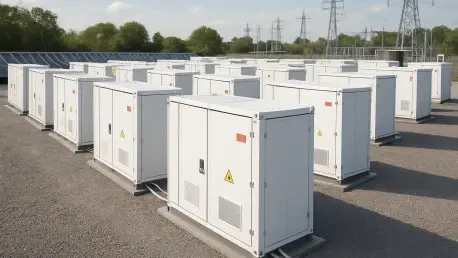
Under the terms of the newly sanctioned phase of the program, Xcel Energy is authorized to deploy up to 200 MW of energy storage systems across its service territory through 2028. Unlike massive, remote storage facilities, these installations will consist of modular battery systems ranging from 1 MW to 3 MW in size, placed strategically at locations such as local businesses and nonprofit organizations. This granular approach allows the utility to address localized grid constraints and improve stability exactly where demand is highest. The total investment of $430 million underscores the magnitude of this commitment, reflecting a broader strategy to optimize existing infrastructure through technological innovation rather than relying solely on costly transmission line expansions. By utilizing these distributed assets, the grid becomes more resilient against outages and fluctuations, ensuring that energy is available when and where it is most needed during peak hours.
Success in such a large-scale deployment requires coordination across multiple sectors, which is why Xcel Energy is collaborating with specialized partners to handle the logistics and labor required for this rollout. Sparkfund has been tapped to provide critical deployment services, ensuring that the installation of hundreds of battery units proceeds efficiently and meets technical specifications. Furthermore, the program emphasizes social and economic benefits through a partnership with Building Strong Communities, which offers preparatory apprenticeships for multi-trade construction careers. This workforce development component is designed to prepare local residents for long-term careers in the clean energy sector, aligning technical grid improvements with community economic growth. The Public Utilities Commission has introduced a layer of oversight by requiring an interim assessment once the first 50 MW are successfully operational. This safeguard ensures that the program remains cost-effective and achieves its stated performance goals before the utility proceeds with the full 200 MW expansion.
Balancing Competition and Utility Oversight
The approval of Capacity*Connect has generated significant momentum among clean energy advocates who see it as a blueprint for reducing reliance on carbon-intensive peaking plants. Proponents, including the advocacy group Fresh Energy and several state regulators, argue that these battery systems can effectively offset the need for new fossil fuel infrastructure by smoothing out the spikes in energy demand. By integrating storage at the distribution level, the utility can store excess wind and solar energy during periods of low usage and release it when the grid is most stressed. This model is viewed by many as an essential step toward ensuring equitable access to clean energy investments, particularly in underserved areas where grid reliability has historically been a concern. The ability to manage these resources as a cohesive virtual power plant allows for a high degree of control, enabling the utility to react in real-time to weather events or sudden shifts in consumption patterns that might otherwise threaten grid stability.
Despite the clear technological benefits, the decision has sparked a nuanced debate regarding the financial structure and the role of private competition in the energy market. Organizations such as the Solar Energy Industries Association and the Coalition for Community Solar Access have raised concerns that a utility-owned model places too much investment risk on the shoulders of ratepayers. They argue that leveraging private capital through independent developers could foster a more competitive marketplace, potentially driving down costs and encouraging more rapid innovation. Critics suggest that while utility leadership ensures coordination, it might also stifle the emergence of diverse third-party solutions that could offer deeper bill savings for individual consumers. Vote Solar has pointed out that while the increase in storage capacity is a positive development, the current framework might not fully capture the economic advantages associated with decentralized, third-party ownership of these assets. These perspectives highlight the ongoing challenge of balancing utility control with market-driven efficiency.
Establishing a Blueprint for Future Energy Markets
To reconcile these competing viewpoints and ensure the best outcome for the public, the Public Utilities Commission has mandated rigorous reporting and data analysis protocols. Xcel Energy is required to submit a detailed plan within the next 180 days that outlines how it will measure the specific grid benefits and cost savings generated by the initial battery deployments. This data-driven approach is intended to provide a clear picture of how distributed storage impacts the overall cost of service and the efficiency of the local grid. By collecting real-world performance metrics, regulators hope to move beyond theoretical models and base future policy decisions on empirical evidence. This level of transparency is crucial for building trust among stakeholders and ensuring that the $430 million investment yields the promised dividends in reliability and sustainability. The focus on measurable outcomes reflects a broader shift toward performance-based regulation, where utility incentives are aligned with actual improvements in grid performance and customer value rather than just capital expenditure.
Looking further ahead, the utility must provide a comprehensive evaluation of the grid value of various distributed energy resources by November 2027. This evaluation will serve as a foundational document for determining the most effective path forward for Minnesota’s energy procurement, helping to settle the debate between independent and utility-owned models. The process established a framework for valuing local clean energy that prioritized long-term reliability and community integration. Regulators ultimately decided that the success of the initiative depended on its ability to adapt to new findings and remain flexible in a rapidly changing technological landscape. Stakeholders focused on developing standardized metrics for grid services to allow for a more competitive procurement process in future cycles. By centering the strategy on transparent data and workforce development, the state created a scalable model for other regions to follow. This proactive stance ensured that the transition to a modern grid was supported by robust technical evidence and inclusive economic opportunities that benefitted all segments of the population.