
Addressing the Growing Crisis of Energy Affordability in the Bluegrass State
The state of Kentucky finds itself at a precarious crossroads where the basic necessity of electrical power is increasingly becoming a luxury for a significant portion of the population. As economic volatility converges with the rising costs of essential service delivery, the Bluegrass State is witnessing a surge in utility disconnections that threatens the stability of hundreds of thousands of households. This analysis explores the findings of recent comprehensive reports that track the frequency and causes of these service terminations across nearly two dozen electric utilities. By examining the systemic pressures driving this crisis, including the intersection of stagnant wages and evolving utility management practices, a clearer picture emerges of the challenges facing the state’s most vulnerable residents. Readers can expect an in-depth exploration of how shifting market dynamics and new technologies are reshaping the landscape of energy affordability in Kentucky.
This investigation into the utility sector reveals a humanitarian challenge that sits at the intersection of infrastructure reliability and socioeconomic equity. Recent data has confirmed a startling trend: utility disconnections are surging at an unprecedented rate, leaving a substantial segment of the population without heat or electricity during critical times of the year. Through a detailed look at the data from investor-owned utilities and rural cooperatives alike, this article aims to uncover the underlying causes of this surge and evaluate the potential solutions being debated in the halls of state government. The findings suggest that the current trajectory is unsustainable and requires a coordinated response from both the public and private sectors to ensure that essential services remain accessible to all Kentuckians.
Historical Context and the Rising Burden of Household Energy
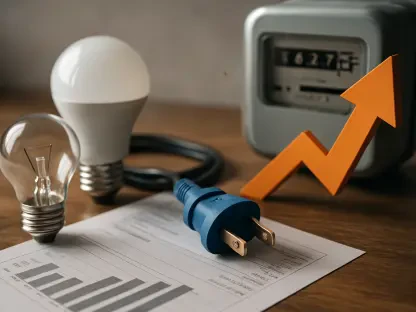
To understand the current crisis, one must look at the long-term trajectory of energy costs in Kentucky, which has historically been known for its low electricity rates. For decades, the state enjoyed a competitive advantage due to its proximity to coal resources, allowing residential electricity costs to remain well below the national average. However, the period leading up to 2024 saw these costs skyrocket by 128%, marking a radical shift in the economic landscape for the average household. This inflation has fundamentally altered the “energy burden”—the percentage of a household’s income dedicated to paying for utilities—making it a primary driver of financial instability for low-income families.
While the state’s economy has evolved, the wages for many vulnerable populations have not kept pace with these rising operational and commodity costs. This historical divergence has created a fragile environment where even a minor financial setback can lead to a complete loss of essential services, making the current surge in disconnections a predictable outcome of two decades of escalating prices. The transition away from traditional energy sources toward a more diverse grid has introduced new costs that are now being passed on to consumers who are least able to afford them. Understanding this history is essential for recognizing that the current spike is not a momentary fluctuation but the result of deep-seated structural changes in the energy market.
The Statistical Reality of Service Terminations
The Dramatic Spike: Residential Disconnections
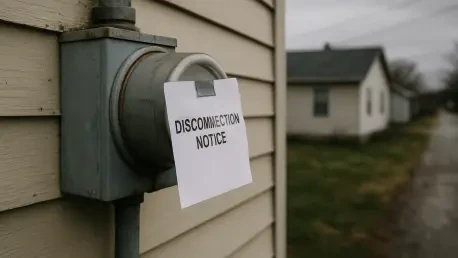
The scale of the current utility crisis is best illustrated by the raw datwithin a recent 12-month window, Kentucky electric utilities executed over 268,000 disconnections. This represents a staggering 87% increase in service terminations compared to the previous fiscal year, signaling a breaking point for many households. Leading this trend are major investor-owned utilities like Louisville Gas and Electric (LG&E) and Kentucky Utilities (KU). LG&E, in particular, saw a 285% spike in disconnections, a figure that is especially concerning given that it occurred without a massive, singular rate hike, suggesting that the cumulative weight of debt is finally reaching a crisis level for a massive segment of the population.
This surge indicates that the existing safety nets and payment arrangements are no longer sufficient to handle the volume of arrears being accumulated by residents. As inflation impacts other essential goods like food and medicine, the ability of families to prioritize utility payments has been severely compromised. The data suggests a systemic failure where the cost of living has outpaced the financial support systems designed to protect the most vulnerable. Without significant intervention, these numbers are expected to remain high as the gap between household income and utility costs continues to widen across the state.
The Geography: Energy Stress
While one might expect the highest rates of disconnection to be confined to the poorest rural areas, the data reveals a more complex geographic paradox. The highest energy burdens are felt in two very different environments: the urban center of the Louisville metro area and the rural stretches of Eastern Kentucky. However, the response from utilities in these regions varies significantly, highlighting how corporate policy can dictate the outcome for struggling families. For example, some rural cooperatives reported zero disconnections during the coldest winter months to protect their members, whereas urban investor-owned utilities maintained high disconnection rates year-round.
This disparity suggests that the risk of losing power is not just a function of economic status but also of geographic location and the specific utility provider’s approach to debt management. In urban areas, the sheer density of the population and the high cost of housing exacerbate the energy burden, while in rural areas, older housing stock and inefficient heating systems drive up total energy consumption. Both regions require targeted support, yet the current system often applies a one-size-fits-all approach that fails to account for these localized challenges. The geographic data underscores the need for a more nuanced policy framework that addresses the unique stressors of both urban and rural environments.
Technological Shifts: Ease of Disconnection
A critical but often overlooked factor in the surge of disconnections is the widespread implementation of “smart meters” across the state. These advanced devices allow utility companies to cut off or restore power remotely with the click of a button, removing the need to send a physical technician to a residence. While utilities argue this technology reduces operational costs and speeds up reconnection times, consumer advocates worry it makes the process of losing power “too easy.” By removing the logistical friction and human interaction involved in a manual shut-off, technology may be inadvertently facilitating a higher volume of disconnections for relatively small debts.
The lack of a physical site visit means that there is no final opportunity for a face-to-face interaction that might result in a last-minute payment arrangement or a wellness check on a vulnerable resident. In some instances, customers have been disconnected for balances of less than $25, a practice that advocates describe as an unreasonable hardship for such a negligible amount of debt. As the utility industry continues to digitize its operations, the social consequences of these automated processes must be carefully monitored. The efficiency of smart technology should not come at the expense of human dignity or the health and safety of the community.
Future Trends: Energy Policy and Regulation
Looking ahead, the landscape of Kentucky’s energy sector is poised for significant regulatory and technological shifts as the state tries to mitigate the disconnection crisis. There is a growing movement to modernize the state’s safety nets to match the speed of digital disconnections, with experts predicting a shift toward more “equitable” rate structures. These structures could offer lower base rates for low-income households, ensuring that basic energy needs are met regardless of income level. Furthermore, as climate volatility leads to more frequent extreme weather events, there is an emerging push to codify permanent protections that would ban disconnections during heat waves or cold snaps.
These potential changes suggest a future where utility management is treated not just as a matter of debt collection, but as a regulated public health priority. Legislative efforts are likely to focus on increasing the transparency of utility data and giving the Public Service Commission more authority to intervene when disconnection rates reach certain thresholds. Additionally, the transition toward renewable energy and energy efficiency programs may offer long-term relief, though the initial investment costs remain a point of contention. The evolution of these policies will be a defining factor in whether Kentucky can maintain a reliable and affordable energy grid for all its citizens.
Actionable Strategies: Mitigating Household Debt
For those currently facing the threat of disconnection, several strategies and resources remain vital for managing utility debt and keeping the lights on. Engaging with “levelized billing” programs can help residents avoid seasonal price spikes by spreading the total annual cost evenly throughout the year, providing more predictability for monthly budgeting. Additionally, residents are encouraged to apply for the Low-Income Home Energy Assistance Program (LIHEAP) as early as possible. Although current funding levels struggle to meet the total state demand, these federal funds remain a critical lifeline for those in immediate danger of a service termination.
On a broader scale, advocates and policymakers are recommending a multi-pronged approach to stabilize the energy market for consumers. This includes the establishment of a state-funded relief program to supplement federal aid, as well as setting a minimum debt threshold before a shut-off can occur. Expanding weatherization programs to reduce energy consumption at the source is another proactive strategy that can lead to permanent reductions in household energy burdens. By combining immediate financial assistance with long-term efficiency improvements, the state can create a more resilient population capable of weathering future energy cost increases.
Reevaluating the Social Contract: Public Utilities
The analysis of Kentucky’s utility disconnection surge provided a clear picture of a system under immense strain. The core themes identified throughout the study highlighted a widening gap between the cost of essential services and the financial capacity of the state’s most vulnerable residents. It was observed that the 87% increase in service terminations served as a wake-up call regarding the stability of the state’s essential infrastructure. The data confirmed that the deficit between available federal aid and actual consumer debt was expanding, leaving millions of dollars in unpaid balances that the current safety net could not cover.
As technology made service termination more efficient, the human impact of these policies became more pronounced, forcing a reevaluation of the social contract between utilities and the public. The state’s ability to balance corporate fiscal responsibility with basic human needs defined its social and economic resilience during this challenging period. Ultimately, the findings emphasized that ensuring electricity remained a reliable right rather than a precarious luxury was essential for long-term health and prosperity. The proactive steps taken by some cooperatives to limit winter disconnections offered a model for how a more compassionate approach to utility management could be integrated into broader state policy.