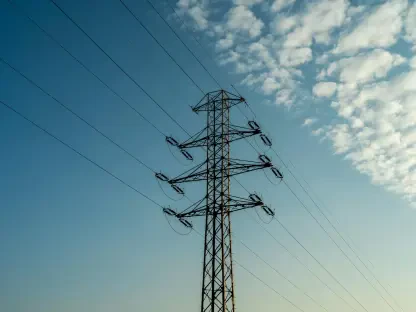

With ambitious climate mandates guiding its path toward a decarbonized future, the Commonwealth of Massachusetts finds itself grappling with a foundational paradox: its 21st-century energy goals are being built upon a 20th-century grid infrastructure. The state is at a critical inflection point, where the traditional, top-down utility model is straining under the weight of a rapidly evolving energy landscape. This mounting pressure has ignited a statewide conversation about the urgent need to re-imagine the very architecture of the electric grid, prompting regulators, utilities, and advocates to explore a more flexible, democratized, and efficient framework for managing the flow of power.
As Rooftop Solar and EVs Proliferate, Is the Grid Stuck in the Past?
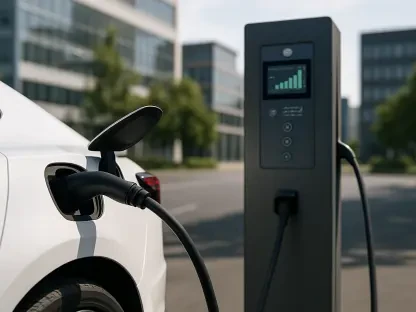
The nature of the electric grid is undergoing a fundamental transformation, driven by the explosive growth of Distributed Energy Resources (DERs). These resources, which include customer-sited assets like rooftop solar panels and battery storage systems, as well as flexible loads from electric vehicles (EVs) and heat pumps, are creating an entirely new energy paradigm. Unlike the large, centralized power plants of the past, these assets are not typically owned or operated by the utility, introducing a level of complexity that the legacy system was never designed to handle. This shift demands a more dynamic, responsive grid capable of managing a two-way flow of both electricity and information.
The current regulatory structure in Massachusetts, however, remains a primary impediment to effectively integrating this new wave of resources. The established model was designed for a one-way delivery of power from a handful of generation sources to millions of passive consumers. Consequently, it incentivizes investor-owned utilities to pursue large-scale capital expenditures, as they earn a regulated rate of return on building traditional infrastructure like substations and power lines. This framework struggles to properly value or incorporate the services that smaller, distributed assets can provide, often leading to costlier and less efficient outcomes for ratepayers.
The Tipping Point: Why the Traditional Power System Is No Longer Tenable
The status quo is becoming increasingly unsustainable as the sheer volume of DERs connects to the system, creating a consensus among a diverse array of stakeholders that the current model is no longer tenable. This growing recognition has been crystallized by recent state-level actions, most notably Massachusetts’ 2022 climate law. This landmark legislation directed the state’s investor-owned utilities to develop comprehensive, long-term Electric Sector Modernization Plans (ESMPs), representing a significant departure from past practices. This mandate has forced a proactive re-evaluation of the grid’s future and the regulatory compact that governs it.
The ESMP process is proving to be more than just a planning exercise; it is serving as a powerful catalyst for change. The engagement it requires has already yielded incremental but meaningful progress. For instance, the Department of Public Utilities (DPU) has begun ordering utilities to formally consider non-wires alternatives—using DERs to solve grid needs instead of building traditional infrastructure. Additionally, regulators approved a grid services compensation fund to test methods for paying customer-owned resources to help defer or delay costly capital investments, signaling a slow but steady shift in regulatory thinking.
A New Blueprint: Envisioning the Distribution System Operator Model
At the heart of the reform conversation is a holistic, long-term vision known as the Distribution System Operator (DSO) model. This framework stands in stark contrast to the current system, where a vertically integrated utility designs, owns, and manages a closed network. Instead, the DSO would function as a neutral administrator of an open, platform-based system. Its primary role would be to ensure reliability and efficiency by coordinating the resources connected to the distribution grid, regardless of who owns them.
Under a DSO model, the operator’s financial incentives are fundamentally realigned with public policy goals. While the DSO might still earn a return on necessary capital projects, its structure would also reward performance, operational efficiency, and its success in leveraging DERs to lower overall system costs. A key function of the DSO is to administer transparent, competitive markets that procure essential grid services, such as capacity and flexibility, from any eligible resource or aggregation of resources. This market-based approach transforms customers from passive ratepayers into active participants who can be compensated for providing value back to the grid.
The Growing Chorus for Change: Stakeholder Momentum Builds
Momentum for this systemic shift is building rapidly across the Commonwealth. The Grid Modernization Advisory Council (GMAC), a multi-stakeholder body created by the 2022 legislation to provide input on the ESMPs, is already fostering a move toward more “bottom-up” planning. This is exemplified by its work engaging with municipal leaders who have requested greater integration between their local decarbonization and electrification plans and the utility’s broader grid investment strategy, ensuring local needs are reflected in system-level decisions.
This call for a more democratized and flexible grid was a central theme at the recent “Future Grid Event Series,” where stakeholders from across the state’s energy ecosystem explicitly recommended that Massachusetts consider a DSO model. They identified it as the most promising pathway to enable flexibility at the grid edge and advance energy justice. Remarkably, the utilities themselves are beginning to join the conversation. In a recent filing, National Grid requested that the DPU evaluate the DSO model as a mechanism to scale DERs and asked for an outcomes-based regulatory structure tied to affordability and public policy goals, a clear acknowledgment that the old way of doing business must evolve.
A Proven Path Forward: Lessons from the United Kingdom’s Transformation
This proposed reform is not merely theoretical; it has a powerful real-world precedent in the United Kingdom. The transformation of UK Power Networks (UKPN) into a DSO serves as a compelling proof of concept, demonstrating that such a model can successfully center both decarbonization and democratization in its operations. For instance, the UKPN DSO actively utilizes municipal electrification plans in its demand forecasting, a prime example of the bottom-up approach that Massachusetts stakeholders are now advocating for.
The financial and operational benefits of this model are tangible and significant. By creating markets for flexibility and procuring services from DERs, the DSO is able to avoid or defer the construction of expensive traditional infrastructure. This directly translates into savings for customers. In one year alone, the UKPN DSO saved its customers over $150 million by leveraging distributed resources to meet grid needs, proving that a smarter, more inclusive grid can also be a more affordable one. This success story provides a clear and proven path for Massachusetts to follow as it designs its grid of the future.
The extensive dialogue spurred by the ESMP process revealed a clear consensus that the Commonwealth had reached a crucial crossroads. It became evident that lawmakers, policymakers, and the DPU had a historic opportunity to move beyond incremental adjustments and implement a truly transformative vision. The Distribution System Operator model emerged from these discussions as the most effective path to ensure that the state’s energy transition resulted in a grid that was not only clean but also affordable, equitable, and resilient for all its residents. The groundwork was laid for a fundamental restructuring that promised to redefine the relationship between utilities, customers, and the grid itself.