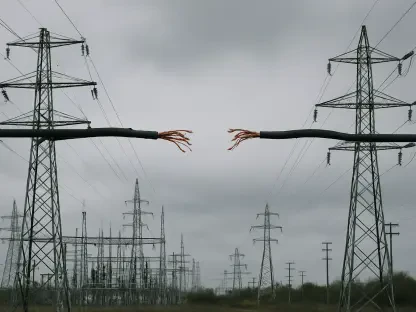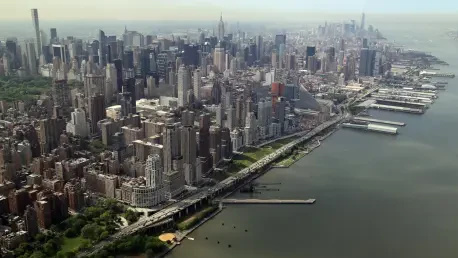

Picture a sweltering summer day in New York, where millions of residents crank up their air conditioners, electric vehicles hum through city streets, and businesses buzz with activity. Suddenly, the lights flicker, and entire neighborhoods plunge into darkness. This scenario isn’t a distant fear—it’s a looming possibility as the state’s aging power grid struggles to meet skyrocketing demand. In 2025, the stakes couldn’t be higher, with the system teetering at a critical juncture. What does this mean for everyday life, and how can disaster be averted?
Why the Grid’s Struggles Matter to Everyone
The electric grid isn’t just a network of wires and plants; it’s the lifeblood of New York, powering homes, hospitals, and the economy. With the push for electrification—think electric cars and heat pumps—and a growing population, demand is surging at a pace the current infrastructure can hardly match. The New York Independent System Operator (NYISO) has sounded the alarm, warning that reliability shortfalls could strike within the next decade if action isn’t swift. Beyond mere inconvenience, blackouts could disrupt emergency services, halt commerce, and derail environmental goals, making this a crisis that touches every corner of the state.
Unpacking the Perfect Storm of Challenges
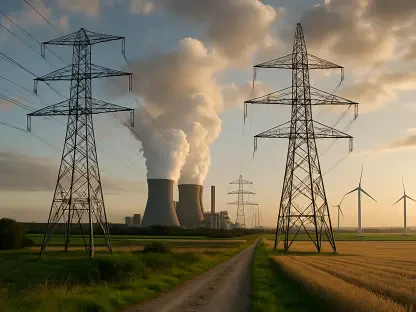
Delving deeper, the grid faces a trio of intertwined threats that compound the risk. Aging power plants, some decades old, are retiring faster than replacements can come online, leaving dangerous gaps in capacity. NYISO notes that these margins for error are “extremely narrow,” with the system needing thousands of megawatts of new capacity to stay afloat. This fragility is a silent countdown, ticking toward potential failure if neglected.
Meanwhile, demand isn’t just rising—it’s exploding in unpredictable ways. Electrification policies and economic growth are pushing load levels to new heights, straining a grid designed for a different era. Projections suggest that without significant additions over the coming years, shortfalls are almost inevitable, especially during peak usage like heatwaves or frigid winters.
Compounding the issue, deploying new energy resources faces steep hurdles. Permitting delays, supply chain bottlenecks, and lengthy construction timelines mean that even approved projects—renewables or otherwise—take years to materialize. NYISO’s latest findings highlight that waiting to address these barriers could tip the system into chaos, underscoring the urgency of cutting through red tape now.
Hearing from Those on the Front Lines
The debate over solutions brings sharp voices into focus, each with a stake in the grid’s fate. Gavin Donohue, President of the Independent Power Producers of New York (IPPNY), backs NYISO’s call for action, stressing, “A diverse energy mix is vital to support the state’s bold economic ambitions.” His perspective emphasizes the need for balance, ensuring reliability doesn’t falter amid growth.
On the flip side, environmental advocates like Earthjustice push back against certain proposals, particularly the idea of leaning on more natural gas. They argue the state already has enough capacity and warn of overbuilding, a concern echoed by NYISO’s market monitoring unit, which flags potential inefficiencies in current market structures. This clash reveals a deeper tension—how to secure power today without compromising tomorrow’s sustainability.
Charting a Path to Stability
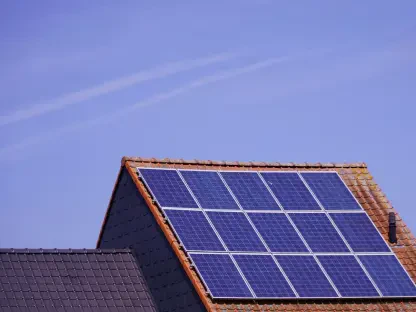
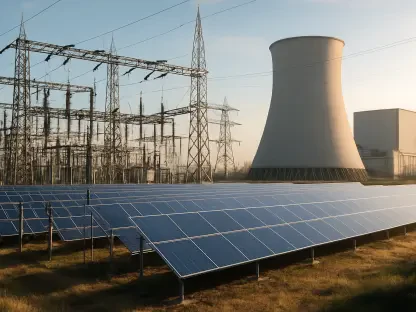
Hope isn’t lost, though; NYISO lays out a roadmap to shore up the grid without sacrificing affordability or green ambitions. Accelerating renewable projects—solar farms, wind turbines, and battery storage—already in development offers a lifeline. Streamlining approvals for these initiatives could offset demand spikes, bringing cleaner energy online sooner.
Equally critical is preserving dispatchable resources, like small natural gas plants run by the New York Power Authority, which act as a safety net during peak stress. Replacing or enhancing these with firm capacity ensures the lights stay on when renewables can’t meet the load, striking a pragmatic balance in the energy mix.
Beyond resources, NYISO urges a rethink of reliability planning itself. Moving toward broader scenario analyses—factoring in risks like project delays or sudden failures—over static models could better prepare the system. Updating planning manuals and tariffs, alongside collaboration with state bodies, paves the way for a grid that adapts rather than reacts, building resilience for whatever challenges lie ahead.
Reflecting on What Was Done and What Lies Ahead
Looking back, the warnings issued in 2025 painted a stark reality for New York’s power grid, with aging systems and rising demand casting long shadows over reliability. The urgency felt then, captured in NYISO’s reports and stakeholder debates, underscored that inaction was never an option. Discussions around balancing immediate needs with long-term goals shaped a pivotal moment in the state’s energy journey.
Moving forward, the focus turned to tangible steps—ramping up renewable deployments and modernizing planning to anticipate risks before they struck. Stakeholders began aligning on the need for innovation, whether through faster project approvals or smarter market designs, to prevent blackouts from becoming routine. That momentum, born from early recognition of the crisis, set a foundation for a more secure energy future, proving that timely collaboration could indeed light the way.