
The rapid convergence of industrial electrification and the explosive growth of high-density computing has fundamentally reordered the priorities of the North American energy sector, forcing a shift from passive consumption to a highly strategic, decentralized model of power generation. This transformation is not merely an environmental pivot but a foundational rebuilding of the continental grid. The transition from a fossil-fuel-dependent system to a diversified, low-carbon network has moved beyond the experimental phase into a mature industrial reality. This evolution is driven by the necessity of resilience, as traditional centralized plants struggle to meet the intermittent and surging demands of a digital economy.
The current landscape is defined by the integration of sophisticated hardware and complex financial instruments that allow for a more flexible response to market signals. In the past, the grid relied on the steady, predictable output of coal and gas; today, it is a mosaic of variable resources that require precise management. This shift has elevated the importance of technological intelligence over raw fuel capacity. By prioritizing carbon-free electrons, North American providers are addressing both the climate mandate and the practical need for energy independence in an increasingly volatile global market.
The Evolution of North American Renewable Infrastructure
The infrastructure underpinning the North American energy transition has evolved from niche experimental installations into the backbone of the modern utility sector. At its core, this technology utilizes the kinetic energy of wind and the photovoltaic properties of sunlight to generate electricity, yet the real innovation lies in the digital orchestration of these assets. Unlike traditional thermal plants, these systems are modular and can be deployed closer to the point of use, significantly reducing transmission losses and enhancing local grid stability.
This evolution occurred within a broader technological landscape where the aging “hub-and-spoke” grid model became a liability. As extreme weather events and cybersecurity threats increased, the move toward a diversified, low-carbon grid offered a decentralized alternative that is inherently more robust. This transition is unique because it combines heavy civil engineering with advanced software-defined power electronics, allowing renewable assets to provide the same ancillary services, such as frequency regulation, that were once the exclusive domain of spinning turbines in coal plants.
Core Components and Market Mechanisms
Modern Power Purchase Agreements (PPAs)
The financial architecture of the renewable sector is built upon the Power Purchase Agreement (PPA), a long-term contract that provides the price certainty necessary to break ground on multi-billion-dollar projects. In the current market, these agreements have become highly sophisticated, moving away from simple fixed-price models to dynamic structures that account for hourly congestion and nodal pricing. In volatile markets like ERCOT in Texas or MISO in the Midwest, these contracts act as a hedge against the price spikes common in energy-only markets, ensuring that both developers and corporate offtakers remain insulated from extreme fluctuations.
The significance of the PPA lies in its role as a de-risking mechanism. By guaranteeing a revenue stream, these contracts allow utility-scale solar and wind projects to secure low-cost financing, which is the primary driver of project viability. However, as demand for clean energy has skyrocketed, the market has seen a “seller’s market” emerge, where PPA prices have risen significantly. This trend highlights a unique market friction: while the cost of technology often decreases, the cost of securing a spot on an overburdened grid has created a premium for projects that are ready to interconnect.
Utility-Scale Energy Storage Systems
Battery energy storage has transitioned from a theoretical backup to the fastest-growing energy resource in North America, primarily through the deployment of lithium-ion systems with four-hour durations. These systems perform a critical “time-shifting” function, capturing excess solar production during the day and discharging it during the evening peak. This performance characteristic is vital for balancing the grid load, as it smooths out the “duck curve” where demand outstrips supply after sunset. Without this storage buffer, the surge in renewable generation would lead to massive curtailment and wasted energy.
What makes modern storage unique is its speed of response; these systems can move from zero to full discharge in milliseconds, providing a level of agility that gas peaker plants cannot match. This technical superiority has made storage the preferred tool for grid operators looking to manage the unpredictability of wind and solar. As these systems scale, they are increasingly being paired directly with generation assets, creating “hybrid” plants that function as firm, dispatchable power sources capable of competing directly with traditional baseload generation.
Emerging Trends in the 2025 Energy Landscape
The most disruptive force in the current energy landscape is the unprecedented surge in demand driven by artificial intelligence and the maturation of hyperscale data centers. These facilities require massive, constant loads of electricity, often exceeding the capacity of local distribution networks. To meet these needs, developers are shifting toward accredited capacity models, where renewable projects are valued not just for the energy they produce, but for their proven ability to provide power during the grid’s most stressed hours.
This shift has created a new class of “energy-first” real estate, where the proximity to viable renewable interconnection points determines the location of new industrial hubs. The maturation of these hyperscalers has forced a change in how the grid is planned, moving away from reactive additions toward proactive, large-scale infrastructure clusters. This trend is unique because it aligns the interests of big tech with the renewable sector, creating a powerful lobbying and investment force that is accelerating the retirement of older, less efficient fossil fuel assets.
Real-World Applications and Industrial Integration
Manufacturing and technology sectors are no longer just passive consumers; they are becoming active participants in the energy market through behind-the-meter storage and onsite generation. By integrating large-scale batteries directly into their facilities, companies can bypass the lengthy interconnection queues that often delay projects by years. This “islanding” capability allows factories to maintain operations during grid outages and avoid high peak-demand charges, effectively turning a liability into a competitive advantage in the global manufacturing race.
A notable example is the deployment of wind and solar clusters specifically designed to power green hydrogen production or high-volume semiconductor fabrication. These use cases demonstrate how renewable technology is being woven into the fabric of domestic supply chains. However, this integration requires a sophisticated understanding of load balancing; a factory cannot simply rely on the wind blowing. It requires the seamless orchestration of onsite storage, local generation, and grid interaction, proving that the future of industrial power is a hybrid, multi-layered system.
Technical Barriers and Regulatory Hurdles
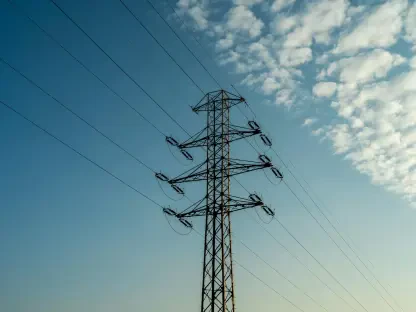
Despite the rapid progress, the renewable sector faces significant physical and legal limitations. The primary bottleneck is an aging transmission grid that was never designed to handle the bidirectional flow of power from thousands of small, distributed sources. Federal permitting delays for new long-distance transmission lines have created a massive backlog, with some projects waiting over half a decade for approval. This delay increases the “basis risk” for developers, where the cost of moving power from a rural wind farm to an urban center can erase the project’s profit margins.
Furthermore, the industry is navigating a precarious supply chain environment. Reliance on foreign manufacturing for specialized components like high-voltage transformers and battery cells has created vulnerabilities that domestic sourcing initiatives are only beginning to address. New legislative frameworks are attempting to incentivize local production, but the transition period is marked by high costs and logistical friction. These hurdles represent the “growing pains” of a system that is attempting to rebuild itself while simultaneously meeting a record-breaking demand for power.
Future Outlook and Technological Trajectory
The trajectory of North American renewables is moving toward the total integration of Energy Storage Agreements (ESAs) as the standard for procurement. Unlike traditional PPAs, ESAs focus on the reliability and availability of power, providing a more comprehensive solution for offtakers who cannot afford any downtime. This evolution will likely be supported by falling battery prices as domestic manufacturing capacity comes online, reducing the dependency on international logistics and shielding the market from global trade disputes.
Future developments will also likely see a move toward “long-duration” storage technologies, such as iron-air or flow batteries, which can provide power for days rather than hours. These technologies will be essential for managing seasonal variations in renewable output and ensuring the grid remains resilient during prolonged weather events. As the economy continues to electrify—from heavy trucking to home heating—the role of renewables will expand from a supplemental power source to the primary engine of economic activity, necessitating a more sophisticated and interconnected continental grid.
Comprehensive Assessment of the Renewable Sector
The review of the North American renewable sector revealed a transition toward storage-integrated power solutions that redefined the relationship between energy generation and consumption. While the rise in PPA prices initially suggested a market slowdown, the persistent demand from the technology and manufacturing sectors proved the sector’s underlying resilience. The shift from simple generation to accredited capacity models showed that the industry matured into a sophisticated player capable of supporting the most demanding industrial infrastructures.
Ultimately, the North American grid successfully navigated the initial challenges of decarbonization by prioritizing flexibility and technological integration. The emergence of energy storage as a dominant asset class provided the necessary stability to bridge the gap between variable renewable output and the constant needs of a digital society. Although regulatory and transmission hurdles remained a significant headwind, the sector’s trajectory pointed toward a more localized, resilient, and carbon-free future that moved the economy away from the limitations of the fossil fuel era.