
As summer approaches with its longer days and intense sunlight, homeowners with solar installations anticipate a significant boost in energy production, but the season also introduces unique challenges that can compromise system efficiency and longevity. The combination of extreme heat, seasonal storms, and increased household energy consumption for cooling creates a high-stakes environment where optimal performance is paramount. Ensuring that a solar system is properly prepared is not merely a matter of routine upkeep; it is a critical strategy for maximizing the return on a significant financial investment, preventing costly emergency repairs, and maintaining a reliable source of clean energy when it is needed most. A proactive approach to maintenance can mean the difference between harnessing the full power of the summer sun and experiencing unexpected downtime during peak demand.
1. Essential Cleaning and Obstruction Management
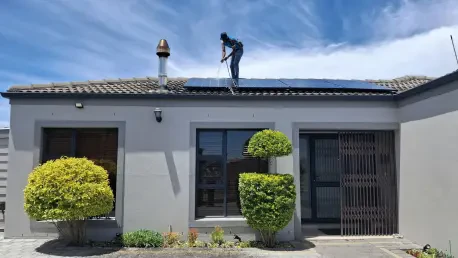
A pristine surface is fundamental to maximizing a solar panel’s ability to convert sunlight into electricity, yet the environmental realities of summer often work directly against this goal. Throughout the season, a persistent layer of dust, pollen, bird droppings, and, particularly in certain regions, bushfire ash can accumulate on panel surfaces, forming an opaque film that significantly obstructs solar radiation. Even a seemingly thin layer of grime can reduce a system’s output by a surprising margin, directly impacting energy savings and the overall return on investment. For homeowners with easily accessible, sloped panels, a do-it-yourself cleaning approach can be effective. Using a standard garden hose from the ground to gently rinse the panels can often dislodge loose debris. It is crucial to use soft, non-abrasive materials and to avoid harsh chemical cleaners or high-pressure washers, as these can scratch the anti-reflective coating on the glass or even force water past the panel seals, potentially causing electrical damage and voiding the manufacturer’s warranty. Safety must always be the primary consideration, and cleaning should be performed during cooler parts of the day, such as early morning, to avoid thermal shock from cold water hitting hot glass. For systems that are difficult to reach, located on steep or flat roofs, or are heavily soiled, engaging a professional cleaning service is the wisest and safest course of action. Professionals are equipped with the proper safety gear and specialized tools to perform a thorough and risk-free cleaning, often bundling this service with a basic visual inspection that can identify other potential issues.
Beyond the cleanliness of the panels themselves, the surrounding environment plays an equally critical role in a solar system’s year-round performance, with obstructions posing a significant and often overlooked threat to energy production. The sun’s trajectory across the sky changes with the seasons, meaning that trees or neighboring structures that posed no issue in winter may begin to cast performance-degrading shadows during the peak sunlight hours of summer. Even partial shading on a single panel can have a disproportionately large impact on the entire system’s output, especially in older string inverter systems where panels are connected in series. In such a configuration, the shaded panel acts like a bottleneck, restricting the flow of electricity from all other panels in that string. Therefore, conducting a thorough visual inspection of the roof for any new or growing obstructions is a vital preparatory step. This should ideally be done during the middle of the day, between 10 a.m. and 4 p.m., when solar generation is at its peak. If encroaching tree branches are identified as the source of shading, they should be trimmed back safely and responsibly. Homeowners should also be vigilant about new rooftop installations, such as vents, satellite dishes, or antennas, that may have been added since the solar system was installed, as these can cast small but persistent shadows that chip away at daily energy production. Regular monitoring for these evolving environmental factors ensures the system has an unimpeded path to the sun, allowing it to perform at its full potential.
2. Inverter Health and Proactive System Monitoring
The solar inverter, often referred to as the brain of the solar energy system, is responsible for the critical task of converting the direct current (DC) electricity generated by the panels into the alternating current (AC) power used by household appliances. As a sophisticated piece of electronic equipment, the inverter is particularly susceptible to the stresses of summer heat. High ambient temperatures can cause inverters to overheat, forcing them to reduce their power output—a process known as derating—to protect their internal components. In extreme cases, an inverter may shut down completely until it cools to a safe operating temperature, bringing all energy production to a halt. To prevent this, it is essential to ensure the inverter is situated in a well-ventilated, shaded location. Homeowners should regularly inspect the inverter’s cooling fins and ventilation grills, clearing away any accumulated dust, cobwebs, or debris that could impede airflow and heat dissipation. It is also important to check the inverter’s display screen periodically for any error codes, warning lights, or unusual messages. Consulting the system’s user manual or contacting a certified solar electrician can help diagnose and resolve these faults before they lead to significant downtime. Furthermore, the sheltered space beneath solar panels can become an attractive nesting area for pests like rodents, which have been known to chew through wiring, causing dangerous electrical faults. A careful visual inspection of the wiring leading to and from the inverter can sometimes reveal signs of damage, but a professional inspection is the most reliable way to detect and mitigate such risks.
In the digital age, the most powerful tool a homeowner has for maintaining peak solar performance is the system’s own monitoring software or mobile application. Modern solar installations provide real-time data on energy generation, allowing users to track performance down to the hour and quickly identify any deviations from expected output. An unexplained or sudden drop in production is often the first and most obvious sign of an underlying issue, such as a dirty panel, a new shading problem, an inverter fault, or a wiring issue. To leverage this capability effectively, homeowners should configure the monitoring platform to send automated alerts for significant performance drops or system errors. This transforms the monitoring system from a passive data logger into an active diagnostic tool that can prompt timely intervention. Making a habit of checking the system’s output daily, especially during the high-yield summer months, allows for a clear understanding of its normal production patterns. By comparing current generation against historical data for similar weather conditions, it becomes much easier to spot anomalies that warrant investigation. This proactive engagement with system data empowers homeowners to address small problems before they escalate, ensuring maximum energy harvest throughout the summer and safeguarding the long-term health of the solar investment.
3. Mitigating Heat Impact and Optimizing Energy Usage
While abundant sunlight is the essential fuel for a solar system, excessive heat is ironically one of its primary adversaries, capable of significantly curtailing energy production. This phenomenon is quantified by the panel’s temperature coefficient, which describes the percentage of efficiency loss for every degree Celsius the panel’s surface temperature rises above the standard test condition of 25°C (77°F). For most common photovoltaic panels, this efficiency drop is approximately 0.2% to 0.5% per degree, meaning on a hot summer day when a dark rooftop panel can reach temperatures of 65°C (149°F) or higher, its power output can be reduced by 10-20%. While this power loss is an unavoidable aspect of solar physics, its impact can be mitigated through proper system design and maintenance. A crucial factor is ensuring adequate airflow around the panels. A well-designed mounting system should provide sufficient clearance—typically 10-15 centimeters (4-6 inches)—between the panels and the roof surface. This gap allows for natural air circulation, which helps to dissipate heat and cool the panels, thereby preserving their operational efficiency. Homeowners should ensure this space remains clear of debris like leaves or nests. For those considering a system upgrade or a new installation, paying close attention to the temperature coefficient listed on a panel’s specification sheet can lead to better long-term performance in hot climates. Selecting panels with a lower temperature coefficient will result in superior energy generation during the hottest parts of the year.
Maximizing the financial benefits of a solar system during the summer involves not only ensuring the equipment is performing optimally but also intelligently managing household energy consumption. The greatest value from solar energy is realized when it is used directly within the home as it is being generated, a practice known as self-consumption. This is because the price paid for electricity drawn from the grid is almost always significantly higher than the feed-in tariff received for exporting surplus solar energy back to the grid. During the summer, when appliances like air conditioners and pool pumps are in high demand, aligning their usage with peak solar production hours is a powerful strategy for savings. By scheduling high-energy tasks such as running the washing machine, dishwasher, or pool filter to operate between 10 a.m. and 4 p.m., homeowners can power these devices with free energy from the sun instead of expensive grid electricity. Another effective technique is to pre-cool the home during the day using a solar-powered air conditioner. This lowers the house’s baseline temperature, making it easier and less energy-intensive to maintain a comfortable environment during the evening hours when solar production has ceased and grid power rates may be at their highest. This strategic alignment of energy supply and demand ensures that the solar system’s output is used to its fullest potential, directly offsetting the highest household electricity costs.
4. Addressing Post Storm Damage and Ensuring Professional Oversight
Summer weather is often unpredictable, and a powerful storm with high winds, hail, or lightning can pose a physical threat to even the most robustly designed solar systems. After any significant weather event, conducting a thorough visual inspection is a critical safety and maintenance step. However, personal safety must always be the top priority; homeowners should never climb onto a wet or potentially unstable roof or attempt to handle any damaged electrical components themselves. A detailed inspection can be safely conducted from the ground using binoculars. Key things to look for include cracked or shattered panel glass, bent or dislodged frames, and any loose mounting hardware that could compromise the structural integrity of the array. It is also important to carefully check for any visible wiring that has become detached, frayed, or is hanging loosely from the panels or near the inverter, as this presents a serious electrical hazard. If large debris, such as tree limbs or other wind-blown objects, is resting on or near the panels, it is essential to resist the temptation to remove it without professional help. Attempting to do so could cause further damage to the panels or the roof, or worse, result in contact with live electrical components. In any of these situations, the proper course of action is to contact a qualified solar technician to safely assess the damage and perform the necessary repairs.
While diligent self-maintenance is invaluable for the day-to-day performance of a solar system, it is not a substitute for a comprehensive annual inspection performed by a certified professional. An accredited solar electrician possesses the specialized knowledge and equipment to conduct technical checks that are beyond the scope of a typical homeowner. These essential services include testing electrical components to ensure correct voltage and current levels, verifying that all electrical connections are secure and free of corrosion, and performing crucial safety tests on the inverter, such as the anti-islanding test, which ensures the system automatically shuts down during a grid outage to protect utility workers. A professional can also use advanced diagnostic tools to inspect for hidden issues like micro-cracks in the solar cells, which are invisible to the naked eye but can degrade performance over time. Moreover, regular professional servicing is often a mandatory requirement for maintaining the validity of system and component warranties. Skipping these recommended check-ups could lead to a warranty claim being denied in the future. Scheduling a professional inspection every one to two years provides peace of mind, ensures the system is operating safely and efficiently, and upholds the long-term protection offered by the manufacturer’s warranty, securing the installation as a reliable and productive asset for years to come.
5. A Review of Essential Summer Preparedness
The efforts invested in preparing a solar system for summer were crucial for ensuring its peak performance and longevity. Before the season began, system owners were advised to check critical inverter settings and enable monitoring alerts, which served as an early warning system for any potential issues. Securing all cables and wiring helped prevent damage from high winds or pests, while those with battery storage confirmed that their systems were set to an optimal mode, especially if they planned to be away from home. These preparatory actions provided a foundation for reliable operation. When performance issues arose, such as sudden drops in output, frequent inverter errors, unusual smells, or visible physical damage, it was clear that these were signs requiring immediate attention from a qualified professional. Attempting to diagnose or fix complex electrical problems without the proper expertise would have been both dangerous and potentially damaging to the equipment. By understanding the line between diligent DIY maintenance and necessary expert intervention, homeowners ensured their systems remained both safe and productive. This proactive and informed approach to system management was fundamental to navigating the demanding summer season successfully. The careful maintenance and monitoring performed throughout the hottest months protected the hardware, maximized energy harvest, and ultimately reinforced the value of the solar investment.