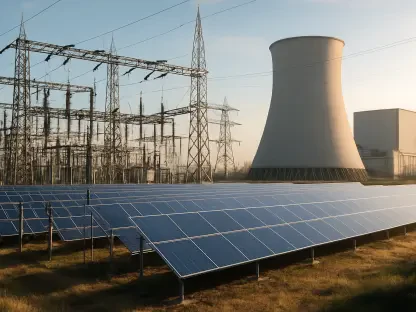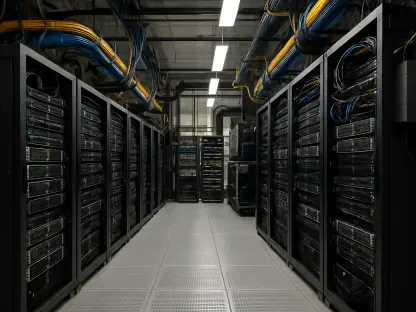

As artificial intelligence clusters expand with unprecedented speed across global markets, the fundamental mismatch between these massive “swinging” loads and the rigid electrical systems supporting them has created a precarious friction point for modern digital infrastructure. Traditional cloud computing was characterized by a predictable and steady baseload that allowed utilities to forecast demand with relative ease. However, the current landscape is dominated by high-density GPU environments that consume electricity in jagged, unpredictable bursts. This shift has placed immense pressure on a power grid that was fundamentally designed for the constant, rhythmic heartbeat of the previous industrial and digital eras.
Bridging the technical gap between legacy electrical systems and the extreme demands of generative models is no longer a peripheral concern for facility managers. Modern facilities are discovering that the volatility inherent in massive training runs can induce harmonic distortions and thermal stress across the entire local distribution network. Consequently, establishing a sophisticated buffer between the computation layer and the public utility has become the most effective strategy for maintaining operational continuity. This guide explores the engineering shifts required to stabilize these environments through the implementation of long-duration storage, ensuring that the next generation of computing does not compromise the stability of the public energy supply.
The Strategic Importance of Updating Power Architecture
Adopting modern power management practices has transitioned from a progressive choice to a necessity for the survival of the data center industry. When legacy infrastructure is forced to interact with the erratic power swings of modern processor clusters, the result is often premature degradation of expensive physical assets. Transformers and switchgear, which are designed for gradual load changes, face mechanical and thermal fatigue when subjected to the rapid cycling of high-performance computing. By updating the power architecture, operators can significantly extend the lifespan of these multi-billion dollar investments, ensuring that the facility remains robust against the mechanical stresses of the current digital climate.
Moreover, the shift toward an engineered power profile enhances grid reliability and serves as a vital safeguard against regulatory intervention. In high-density tech hubs, utilities have become increasingly wary of the destabilizing effects that large-scale volatile loads have on local feeders. Moving toward proactive, buffered energy management prevents the risk of forced disconnections or utility-imposed capacity caps that can stall business growth. This transition represents a shift from reactive troubleshooting—where engineers frantically patch failures behind closed doors—to a deliberate strategy of risk mitigation that protects both the data center and the community it serves.
Actionable Best Practices for Managing AI Energy Volatility
Harmonizing intense computational workloads with the existing electrical grid requires a departure from the reactive maintenance strategies of the past. Developers must now view power as a dynamic resource that requires active shaping rather than just passive consumption. This necessitates a structural change in how energy flows from the utility interconnect to the server rack, placing a heavy emphasis on intentional architectural design.
Implementing a Dedicated Volatility Buffer Between Data Centers and the Grid
A primary best practice involves the integration of a specialized buffer layer designed to absorb the electrical shocks generated during high-intensity processing cycles. This layer acts as a shock absorber, decoupling the internal volatility of the facility from the external utility network. Unlike traditional backup systems that are designed only for rare outages, a dedicated volatility buffer is engineered for continuous operation. It monitors load fluctuations in real time and injects or absorbs energy to maintain a steady, flat demand profile at the grid edge, effectively insulating the utility from the noise of the data center.
Moving toward this architectural model allows for the mitigation of voltage sags and frequency deviations that otherwise propagate through the local infrastructure. When a facility can present a consistent load to the utility, it avoids the “swinging” behavior that triggers protective relays and causes grid instability. This strategy not only protects on-site equipment but also builds a more collaborative relationship with power providers, who are increasingly prioritizing customers that can demonstrate high levels of load control and predictability.
Case Study: Utility-Mandated Disconnections and the Storage Solution
In several major technology corridors, local utilities recently issued mandates for data centers to disconnect from the grid during periods of peak volatility to prevent local circuit failures. These interventions were not caused by a lack of total energy capacity, but rather by the unpredictable spikes that threatened the synchronized frequency of the local feeder. Facilities without adequate buffering were forced into expensive downtime or relied on diesel generators, which introduced both environmental and mechanical risks to their operations.
Conversely, operators who had successfully integrated high-cycling energy storage systems were able to navigate these mandates without interrupting their AI training schedules. By utilizing their storage as a primary load-leveling tool, these facilities maintained a flat demand profile that satisfied all utility requirements for grid stability. This case study demonstrates that the ability to manage load volatility is now a prerequisite for operating in energy-constrained markets, turning energy storage into a tool for regulatory compliance and operational flexibility.
Transitioning to Long-Duration Energy Storage (LDES) for Continuous Cycling
Standard short-term battery configurations are often ill-suited for the relentless cycle of AI-driven demand because they suffer from rapid thermal degradation when used for frequent charging and discharging. Best practices now dictate a transition toward long-duration energy storage technologies that are specifically engineered for hours of support. These systems provide the depth of capacity needed to manage prolonged “swings” in power demand without losing their long-term effectiveness. Unlike legacy lead-acid or standard lithium-ion systems, LDES is designed to handle deep cycling as a standard part of its daily duty cycle.
Furthermore, these long-duration systems offer the thermal stability necessary to operate in high-density environments where heat management is already a significant challenge. By selecting technologies that can sustain partial loads and frequent state-of-charge transitions, operators ensure that their volatility buffer remains reliable over a lifespan of a decade or more. This shift toward durable, deep-cycling infrastructure ensures that the storage solution itself does not become a point of failure during periods of intense computational activity.
Case Study: Modernizing Legacy Backup Systems for AI Workloads
A major tech provider recently faced a crisis when their traditional backup infrastructure began to fail under the pressure of unpredictable AI load swings. The existing battery arrays, designed for rare emergency use, were being inadvertently “cycled” by the rapid fluctuations in power demand, leading to chemical instability and unexpected system shutdowns. This created a dangerous environment where the facility was vulnerable to even minor grid disturbances, as the primary defense mechanism had been compromised by the very workloads it was intended to protect.
The solution involved replacing the outdated backup arrays with long-duration storage infrastructure specifically designed for the stresses of modern computing. After the upgrade, the facility eliminated backup failures and significantly reduced the frequency of costly emergency repairs on their switchgear. This modernization effort transformed the power system from a liability into a strategic asset, proving that purpose-built storage is the only viable way to bridge the gap between yesterday’s power grid and today’s high-speed processing requirements.
Future-Proofing the Power Profile of Modern Computing
The transition toward specialized power storage proved that the tools of the previous computing era were insufficient for the demands of the intelligence revolution. The industry moved past the stage of troubleshooting behind closed doors and embraced a structural shift in how power was managed and stored. Stakeholders prioritized systems that offered high cycle life and thermal stability to ensure that the buffer did not become a point of failure itself. These advancements allowed for sustainable growth, ensuring that high-density computing remained compatible with the broader health of public energy networks.
Rather than relying on outdated backup models, developers successfully integrated long-duration assets that functioned as active participants in energy management. This evolution protected on-site assets and fostered a more resilient relationship with utility providers who faced their own challenges in modernizing the grid. By focusing on the actual power profile of the AI workload, the technology sector established a new standard for responsible infrastructure development. This shift ultimately secured the reliability of the global digital economy while providing a blueprint for how future high-intensity industries should approach the intersection of power and innovation.