
The American electric power industry is navigating a year of profound reckoning, caught in a tempest of disruptive federal policy changes, an unprecedented surge in electricity demand from new technologies, and mounting financial pressures that are forcing a fundamental reevaluation of its future. Utilities, developers, and regulators are grappling with a new and volatile reality, one defined by the stark tension between explosive growth forecasts driven by the artificial intelligence sector and the practical, financial, and political limits of the nation’s grid infrastructure. This collision of forces is testing the resilience of the entire sector, all while consumer affordability has stretched to a critical tipping point, creating a complex and high-stakes environment where every decision carries immense weight for the nation’s economic stability and energy security.
The Demand Dilemma and a Shadow of the Past
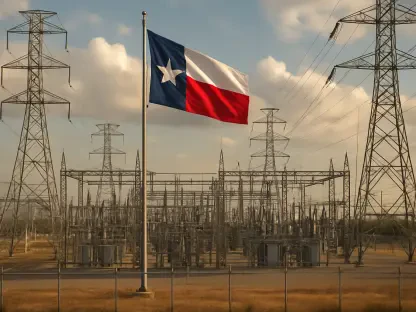
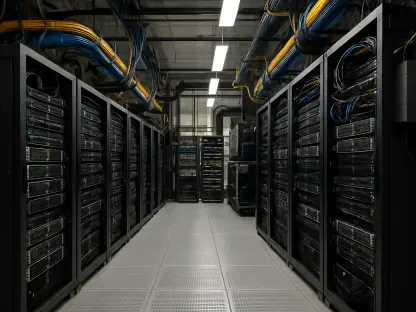
The most immediate and acute pressure point for the power sector has been the staggering, almost insatiable, demand for electricity from new large-scale consumers, chief among them the data centers fueling the artificial intelligence revolution. This sudden and massive need for power has overwhelmed interconnection queues and placed immense strain on grid infrastructure in key markets such as Texas and the Mid-Atlantic, leading to dramatically inflated electricity demand forecasts. In a swift response to this challenge, a notable trend has emerged with the implementation of new state-level large load tariffs. These regulations are specifically designed to filter out speculative projects that lack firm financial backing and to more effectively manage the overwhelming influx of requests from developers seeking to connect to the grid, thereby creating a more orderly and sustainable process for accommodating this new wave of industrial growth and preventing the grid from buckling under the pressure.
However, a palpable sense of caution has begun to temper the initial, unbridled hype surrounding the data center boom, with industry veterans expressing wariness of a potential historical repeat of the dot-com bubble’s infrastructure overbuild. At the turn of the 21st century, wildly overestimated power needs for the burgeoning internet left utilities and, consequently, their ratepayers financially responsible for billions of dollars in underutilized generation assets. Early evidence in 2026 suggests the current data center frenzy may be undergoing a similar correction; utilities that have instituted more rigorous and financially demanding interconnection rules have reported queue reductions of 50% or more. Reflecting this cooling trend, the U.S. Energy Information Administration has already revised its 2026 generation growth forecast downward. Similarly, the PJM Interconnection, the nation’s largest grid operator, anticipates that its next load forecast will be significantly lower, tempered by a combination of stricter project vetting, a reduced economic outlook, and a more realistic assessment of AI’s near-term power requirements.
A New Era for Renewable Energy
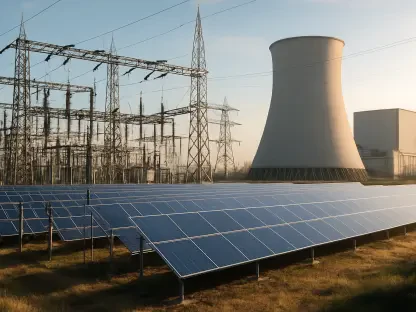
Despite a significantly more challenging federal policy environment created by the repeal of key clean energy subsidies and new rules complicating supply chains, renewable energy sources like solar and wind continue to represent the vast majority of new generation capacity being added to the U.S. grid. The sheer, immediate, and non-negotiable need for more power to meet baseline demand ensures that renewables, as the fastest and most cost-effective option for large-scale deployment, will not only maintain but also grow their share of the nation’s energy mix. This continued expansion is no longer primarily a function of direct policy support but has become a market necessity, an essential tool for grid operators and utilities working to prevent capacity shortfalls and maintain system reliability in the face of both the large load surge and the retirement of conventional power plants. The economics and speed of deployment for renewables have made them indispensable in the current climate.
In this new post-subsidy landscape, the renewable energy industry is demonstrating remarkable adaptability and resilience. With the investment tax credit significantly curtailed, a critical strategic pivot is underway toward aggressively reducing “soft costs,” which encompass all non-hardware expenses such as permitting, legal fees, financing, and site surveys that can substantially inflate overall project budgets. This focused effort is spurring significant innovation in project development methodologies and financing structures that are less reliant on traditional tax equity models. The goal is to develop leaner, more efficient processes that enable renewable projects to remain highly competitive and financially viable based on their own economic merits. This shift is not only crucial for the continued growth of the sector but is also positioning it to be a more robust and self-sustaining force in the long-term expansion of the American power grid, independent of fluctuating political winds.
Squeezing More from the System
With the timeline for building and commissioning new large-scale power generation facilities stretching over many years, the power sector is increasingly turning to load flexibility as a more immediate and economically efficient solution to manage severe grid constraints. This trend is materializing on two distinct but complementary fronts. First, large industrial customers, including the very data centers that are driving the unprecedented demand surge, are actively exploring and entering into flexible interconnection agreements. These innovative arrangements contractually require them to curtail their power consumption, deploy on-site generation or battery storage, or financially incentivize other users to reduce demand during the few critical hours a year when the grid is pushed to its absolute peak. This collaborative approach helps stabilize the system without necessitating the immediate construction of expensive new “peaker” plants that would sit idle for most of the year.
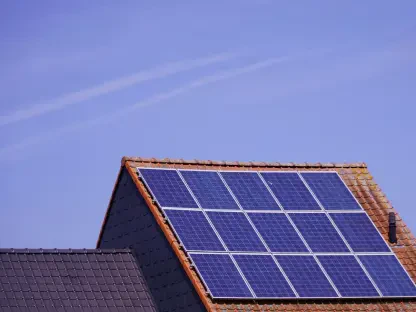
This concept of flexible demand is also being applied with growing success at the residential and commercial levels through the proliferation of Distributed Energy Resources (DERs), which are being aggregated into sophisticated “virtual power plants” (VPPs). The accelerating adoption of rooftop solar panels, home batteries, smart thermostats, connected appliances, and electric vehicles is enabling utilities and grid operators to bundle these small-scale assets into a single, dispatchable resource. These VPPs can then be called upon to provide critical grid services, such as reducing peak demand or absorbing excess renewable generation, effectively squeezing more capacity out of the existing system. This trend is rapidly gaining momentum because it offers a faster, more scalable, and significantly more cost-effective pathway to enhance grid resilience and reliability while simultaneously providing financial value to both the utility and the participating consumers who are compensated for their flexibility.
A Reckoning on Investment and Affordability
Spurred by the pressing need to serve the growing pipeline of data centers and to modernize an aging and increasingly vulnerable grid, investor-owned utilities have embarked on an infrastructure investment “super-cycle.” Projections estimate that capital expenditures will reach between $1.1 trillion and $1.4 trillion by 2030, a figure that nearly doubles the already substantial spending of the previous decade. This massive wave of investment is deemed essential for ensuring the grid can meet the demands of a 21st-century economy. However, this unprecedented spending spree is facing significant headwinds and is no longer being met with automatic approval. A primary challenge is the growing backlash from ratepayers, state regulators, and elected officials who are deeply concerned about the direct impact of these expenditures on consumer electricity bills, which have already been rising steadily for years.
The traditional funding mechanisms that utilities rely upon—rate cases, debt issuance, and equity offerings—are being stretched to their absolute limits and may prove inadequate to cover the full scope of required investments without causing severe financial strain on households and businesses. Analysts have cautioned that years of escalating electric bills have critically eroded public and regulatory tolerance for further rate hikes, creating a volatile political environment for utilities seeking approval for their spending plans. This intense pressure is not confined to the large investor-owned utilities. Credit rating agencies have issued a negative outlook for public power and cooperative utilities in 2026, citing the dangerous convergence of their substantial financing needs for grid upgrades and the diminishing affordability among their consumer bases, a dynamic that threatens their long-term financial stability and ability to serve their communities effectively.
An Unavoidable Conclusion Emerged
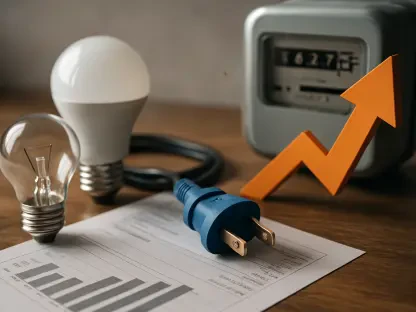
The year ultimately saw the continuation of a difficult trend, as electricity prices maintained their upward trajectory, contradicting earlier political promises of lower energy costs. The national average residential price hit a new high, fueling public frustration and creating a complex political and regulatory minefield for utilities that had to justify the increases while navigating a growing affordability crisis. Research revealed a nuanced reality behind the headline numbers, showing that price hikes were not uniform and that load growth historically tended to depress, not inflate, retail prices. Nevertheless, the nominal figures on household utility bills shaped public perception and intensified the debate over fairness and the equitable distribution of grid modernization costs. It became clear that customer affordability had reached a tipping point, which compelled utilities to adopt more sophisticated, data-driven strategies to manage costs and engage in more transparent communication with their customers about the drivers of price increases.
Amidst this turbulence, energy storage solidified its role as an indispensable cornerstone of the modern grid. What was once considered a niche technology became a mainstream solution deployed at a record pace. The role of utility-scale systems expanded far beyond simply complementing intermittent renewable generation; they were routinely used for a wide array of critical applications, including price arbitrage, frequency regulation, system peak shaving, and providing vital backup power to enhance reliability. The growth of energy storage accelerated throughout the year, as it proved to be a key enabler for the load flexibility demanded by data centers and other large users. Furthermore, storage was less negatively impacted by the rollback of federal incentives than renewables, which supported its financial viability and rapid deployment. This cemented energy storage as an essential, non-negotiable component for building a reliable and resilient modern grid capable of meeting the complex challenges that had defined the year.