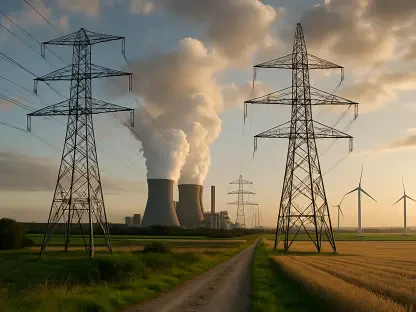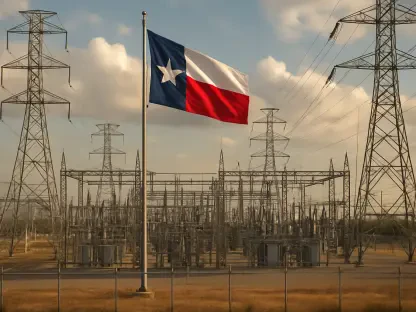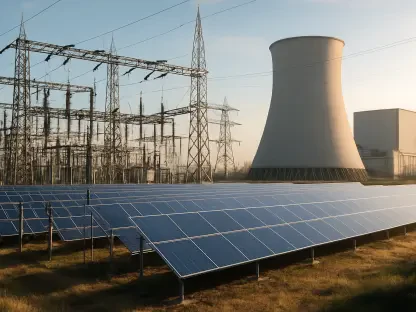

As an historic cold snap known as Winter Storm Fern descended across a vast portion of the country, the U.S. Department of Energy took decisive action by issuing a series of emergency orders designed to fortify the nation’s electrical grid against unprecedented strain. These orders, requested by major grid operators serving millions of Americans from Texas to New England, represent a critical, proactive strategy to manage the surging demand for power amid dangerously low temperatures. The federal intervention highlights a tense balancing act between maintaining grid reliability and adhering to environmental regulations, a challenge that is becoming increasingly common in an era of more frequent and intense weather events. The situation underscores the immense pressure on grid operators to prevent widespread blackouts, forcing them to utilize every available resource, even if it means temporarily sidestepping standard operational limits to ensure that homes and critical facilities remain powered during a period of extreme vulnerability.
A Federal Response to Regional Crises
The Power of Emergency Waivers
The core of the federal response centered on the issuance of 202(c) waivers, a powerful tool that grants the Department of Energy (DOE) the authority to override certain regulations during a grid emergency. PJM Interconnection, ISO New England (ISO-NE), and the Electric Reliability Council of Texas (ERCOT) all sought these waivers not because of existing power shortfalls, but as a crucial precautionary measure. The operators anticipated that the frigid temperatures would drive electricity demand to record-breaking levels, potentially exceeding the available supply under normal operating conditions. The waivers effectively unlock a reserve of power by allowing generating facilities to operate at their maximum capacity, even if doing so means temporarily exceeding permitted air quality or other environmental limitations. This rapid approval from the DOE signals a clear prioritization of immediate public safety and grid stability over strict regulatory adherence during an acute crisis, providing operators with the flexibility needed to navigate the extreme conditions and prevent the catastrophic consequences of a large-scale power failure.
A New Era of Proactive Grid Management
This coordinated action between federal authorities and regional grid operators exemplifies a growing trend towards more dynamic and flexible grid management. Rather than waiting for an emergency to unfold, the requests for waivers were made in anticipation of the storm’s peak impact, reflecting a strategic shift toward proactive crisis mitigation. This approach increasingly relies on a combination of regulatory adaptability and sophisticated demand-side management techniques to enhance grid resilience. For instance, alongside seeking waivers to boost power generation, PJM Interconnection activated pre-emergency demand response programs in specific areas. These programs incentivize large energy consumers to voluntarily reduce their electricity usage, which helps alleviate stress on local transmission infrastructure and conserves fuel for generators to be used during the most critical, coldest periods. This dual strategy of simultaneously increasing supply and managing demand demonstrates the multi-faceted approach now required to safeguard the power grid against the formidable challenges posed by extreme weather phenomena.
Regional Realities and Ground-Level Impacts
Bracing for Record-Breaking Demand
The sheer scale of the challenge was evident in the forecasts confronting individual grid operators. The Electric Reliability Council of Texas, or ERCOT, projected that demand could soar as high as 84,000 megawatts (MW), a figure that would completely shatter its previous winter peak record. In response, its emergency order, effective through Tuesday, contained a unique provision authorizing the use of backup generation from large commercial and industrial customers, including data centers, as a last line of defense before being forced to implement rolling blackouts for residential customers. Similarly, PJM Interconnection, which serves a vast territory across the Mid-Atlantic, faced a potential peak load of approximately 147,000 MW as temperatures plummeted into the single digits. Its waiver, lasting through January 31, was a sweeping authorization for all generating units within its region to run at maximum output to meet the historic demand and ensure system stability throughout the prolonged cold event.
The Vulnerability of Local Distribution
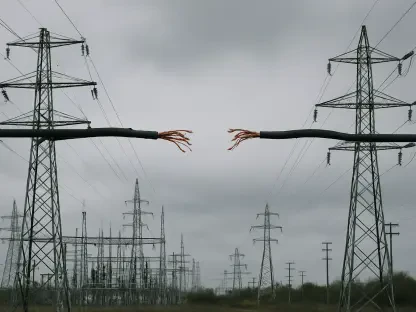
While the emergency orders successfully addressed the stability of the bulk power system, the storm’s impact at the local level told a different story. In New England, ISO-NE received its own order to maximize all available generation resources in response to what it termed a “long-duration extreme cold weather event.” However, even as the high-voltage transmission grid held firm, the distribution networks that deliver power to homes and businesses proved far more vulnerable. Across the storm’s path, from Texas to Virginia, over 800,000 customers were left without power on Monday morning. These outages were not caused by a lack of generation but by the physical damage inflicted by the storm, including broken utility poles and downed power lines felled by heavy snow and ice. The impact was particularly severe in Tennessee, where Nashville Electric Service reported one of the largest outage events in its history. This starkly contrasted with areas like Houston, where CenterPoint Energy reported minimal disruptions but remained on high alert, highlighting the localized and often unpredictable nature of storm-related power failures.
The Evolving Blueprint for Energy Resilience
The coordinated response to Winter Storm Fern offered a clear view of the modern challenges facing the nation’s energy infrastructure. It demonstrated a remarkable level of proactive collaboration between federal and regional entities, where emergency regulatory flexibility was successfully deployed to keep the bulk power system stable against record-setting demand. The actions taken by ERCOT, PJM, and ISO-NE underscored a necessary, albeit temporary, prioritization of grid reliability over standard environmental protocols when public safety was at risk. However, the event also exposed a critical vulnerability in the system: the resilience of local distribution networks. While high-level interventions prevented widespread systemic collapse, hundreds of thousands of people still lost power due to localized physical damage. This experience has cemented the understanding that future resilience strategies must address not only generation capacity but also the critical need for investment in hardening the local infrastructure that constitutes the final, and often most fragile, link in the energy supply chain.