
In response to a challenging energy landscape marked by a congressional report noting a 15% increase in electric bills over the previous year, Illinois has enacted a groundbreaking piece of legislation designed to fundamentally reshape its power grid. The Clean and Reliable Grid Affordability Act (CRGA), signed into law by Governor JB Pritzker, represents a comprehensive strategy to combat escalating consumer costs and bolster grid reliability through a focused deployment of clean energy technologies and modernization efforts. With the Illinois Power Agency projecting the act will generate an astounding $13.4 billion in consumer savings over the next two decades, the state has positioned itself not just as a regional leader, but as the architect of a potential national blueprint for navigating the complex transition to a sustainable and affordable energy future. This ambitious law seeks to prove that decarbonization and economic relief can be pursued simultaneously.
A Strategic Framework for a Modern Grid
Pioneering Grid-Scale Storage and Consumer Participation
At the heart of the CRGA is a decisive shift toward modern, flexible grid solutions designed to manage the intermittency of renewable sources and reduce reliance on expensive, fossil-fueled power plants. The legislation establishes a formidable target for state utilities to install 3 gigawatts (GW) of grid-scale energy storage by 2030, creating a massive reservoir of power that can be deployed during periods of high demand or low generation. Complementing this large-scale initiative is a mandate for utilities to develop innovative virtual power plant (VPP) programs. These programs are designed to unlock the latent potential of consumer-owned assets by compensating customers for allowing their distributed energy resources—such as residential batteries, smart thermostats, and electric vehicle chargers—to be aggregated and dispatched as a unified resource. This transforms households from passive consumers into active participants in grid stability, providing crucial demand flexibility that alleviates strain during peak periods and ultimately lowers system-wide costs for everyone.
Expanding Energy Efficiency with an Equity Focus
Recognizing that the cheapest and cleanest unit of energy is the one that is never used, the CRGA places a profound emphasis on expanding energy efficiency across the state. The law mandates a substantial increase in budgets for utility-run efficiency programs, with Ameren’s funding set to nearly double and Commonwealth Edison’s (ComEd) budget slated to rise by a significant 25%. This infusion of capital will accelerate the adoption of energy-saving measures in homes and businesses, directly reducing consumption and lowering monthly utility bills. Critically, the legislation embeds a strong commitment to equity within this framework by tripling the minimum amount utilities must allocate to income-qualified programs, raising the requirement to 25% of total efficiency spending. This translates into an estimated annual investment of $137 million for ComEd customers and $56 million for Ameren customers, ensuring that low-income households, which bear the heaviest energy cost burden, receive the necessary support to access weatherization services and efficient appliances, making the clean energy transition more just and inclusive.
Comprehensive Policy Reforms for a Clean Energy Future
Broadening the Clean Energy Toolkit
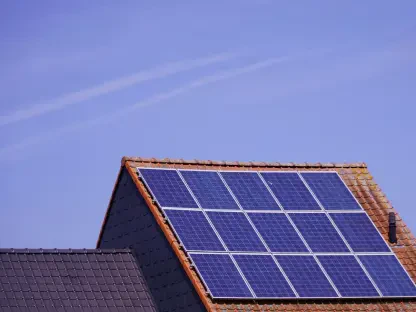
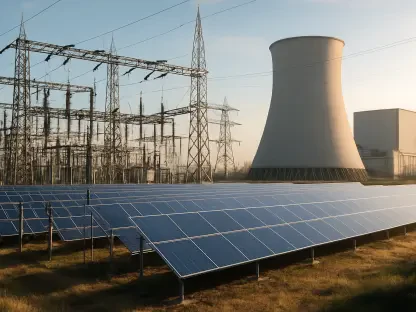
Beyond its focus on grid modernization and efficiency, the CRGA introduces a suite of key policy reforms that create a more favorable environment for a diverse range of clean energy technologies. In a significant policy shift, the law lifts a long-standing moratorium on the development of new large-scale nuclear reactors, acknowledging the role that firm, carbon-free power can play in a reliable energy mix. To ensure that state objectives guide utility investments, it creates a new integrated resource planning process, empowering state agencies to steer energy programs toward the most effective and cost-efficient outcomes. The act also fosters greater access to renewable energy by doubling the maximum size of community solar projects to 10 megawatts (MW), a move that benefits renters and homeowners who are unable to install rooftop panels. Further provisions extend streamlined clean energy siting reforms to include energy storage projects, establish a “solar bill of rights” to protect consumers, and smartly tie the state’s Renewable Portfolio Standard budget cap to inflation, guaranteeing stable and predictable funding for future clean energy procurement.
A Collaborative Blueprint for National Replication
The passage of the CRGA was underpinned by a broad consensus among diverse stakeholders, reflecting a collaborative approach to solving the state’s pressing energy challenges. Clean energy advocates, including the Natural Resources Defense Council (NRDC) and the Solar Energy Industries Association (SEIA), lauded the law as a strategic and forward-thinking model for deploying grid solutions that lower prices and bolster reliability. Utilities also expressed their support, with Ameren Illinois backing a “steady, measured transition” and viewing VPPs and efficiency as crucial tools for the future. While ComEd’s CEO, Gil Quiniones, expressed encouragement, he also noted the ongoing challenges of surging power demand, signaling that the act was a critical foundation for future work. Ultimately, the CRGA established a comprehensive framework that successfully balanced technological innovation with consumer affordability and social equity. In doing so, Illinois created a powerful and pragmatic blueprint that addressed its own energy needs while offering a replicable model for other states navigating the transition to a cleaner and more resilient power grid.