
The Promise of a Decentralized Grid for New Jersey Ratepayers
As New Jersey residents grapple with soaring energy costs, state regulators are turning to an innovative solution that could transform household solar panels, electric vehicles, and smart thermostats into a unified, cost-saving power source. The recent push by Governor Mikie Sherrill and the New Jersey Board of Public Utilities (BPU) to explore virtual power plants (VPPs) signals a pivotal shift in the state’s energy strategy. Faced with utility bills that jumped as much as 20% last year, the promise of VPPs is not just about grid modernization but about tangible relief for consumers. This article will delve into what VPPs are, the specific challenges they aim to solve in the Garden State, and whether this technological leap can genuinely translate into lower monthly energy bills.
A Perfect Storm: New Jersey’s Pressing Need for Grid Innovation
New Jersey’s energy landscape has long been defined by its dependence on external sources. As a net importer of electricity within the vast PJM Interconnection, the state is highly susceptible to regional price volatility and transmission constraints. This vulnerability has been compounded by recent rate hikes, making energy affordability a top political priority. Simultaneously, New Jersey has ambitious clean energy goals, driving a rapid expansion of distributed energy resources (DERs) like rooftop solar. While beneficial for the environment, this growth has created a new problem: an electric grid struggling to keep up. Many local circuits now face “severe hosting capacity constraints,” creating bottlenecks that delay new solar projects and necessitate costly, traditional infrastructure upgrades—the expense of which is ultimately passed on to ratepayers. This confluence of high prices, grid congestion, and clean energy mandates has created the ideal conditions for a disruptive solution like virtual power plants.
Unpacking the Potential of Virtual Power Plants in New Jersey
How Aggregated Energy Resources Can Generate System-Wide Savings
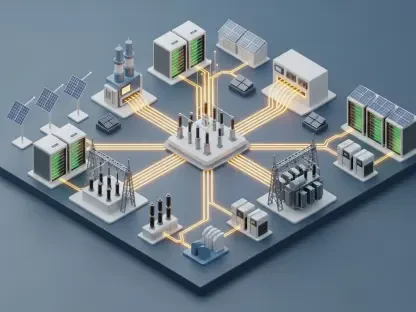
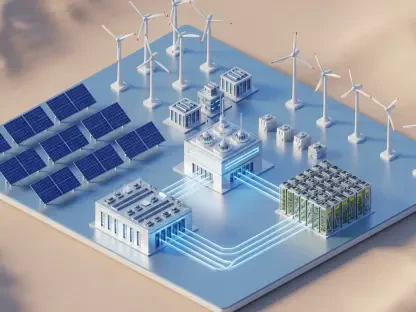
At its core, a virtual power plant is not a physical facility but a cloud-based network that connects and coordinates hundreds or thousands of individual DERs, such as residential solar panels, home battery systems, smart appliances, and electric vehicle chargers. Sophisticated software aggregates the collective capacity of these devices, allowing them to function as a single, dispatchable power plant. When the grid is under stress during peak demand—like on a hot summer afternoon—the VPP can orchestrate these resources to reduce electricity consumption or inject stored power back into the grid. This action alleviates strain, enhances reliability, and, most importantly, avoids the need for utilities to fire up expensive, often fossil-fuel-powered “peaker” plants. By deferring costly infrastructure investments and reducing reliance on the most expensive sources of electricity, VPPs create system-wide savings that can be passed down to all customers, not just those participating in the program.
Solving the Gridlock: VPPs as a Solution to Interconnection Queues
One of the most immediate problems VPPs can address in New Jersey is the growing gridlock hindering clean energy deployment. The BPU has specifically highlighted that the state’s progress is “hindered by an electric distribution grid with severe hosting capacity constraints on key circuits.” In practical terms, this means many areas have reached their limit for connecting new solar projects without triggering the need for expensive substation and wire upgrades. VPPs offer a surgical, non-wires alternative. By strategically managing local energy resources—for example, by having batteries absorb excess solar generation during the day and discharge it in the evening—a VPP can smooth out energy flows and prevent circuits from overloading. This not only increases the grid’s capacity to host more renewable energy but also accelerates the interconnection process for new projects, getting clean, cheaper power online faster and avoiding the multi-million dollar upgrades that bloat utility bills.
Building the Foundation: The Regulatory and Market Hurdles Ahead
While the technology for VPPs exists, their success in New Jersey hinges on creating a supportive regulatory and market environment. A VPP cannot operate in a vacuum; it needs clear rules of engagement. The BPU’s recent Request for Information (RFI) directed at the state’s utilities is a crucial first step in identifying these barriers. Key challenges include developing fair compensation structures that incentivize homeowners and businesses to enroll their devices, streamlining outdated interconnection regulations that were designed for a one-way power grid, and ensuring VPPs can compete on a level playing field with traditional power plants in the PJM energy market. Without these foundational policies, the full cost-saving potential of VPPs will remain untapped, leaving them as a series of disconnected pilot projects rather than a cornerstone of the state’s energy future.
Charting the Course: The Future of Energy Management in the Garden State
The exploration of VPPs marks the beginning of a fundamental transformation for New Jersey’s utilities. If successfully implemented, they will evolve from being mere suppliers of electricity to active orchestrators of a complex, decentralized energy network. The future will likely see advanced software and artificial intelligence optimizing thousands of DERs in real-time to balance the grid. This shift could significantly enhance New Jersey’s energy independence and improve resilience against extreme weather events by relying on local resources. The BPU’s focus on utilizing smart inverters—devices that can intelligently manage power flow—is an early indicator of this trend. As technology matures and regulations adapt, VPPs could become a standard tool for grid management, integrating seamlessly with community solar programs and making the state’s clean energy transition both faster and more affordable.
From Concept to Reality: Actionable Steps for a VPP-Powered Future
The analysis makes it clear that virtual power plants present a powerful and credible pathway to mitigate rising energy costs in New Jersey. They achieve this by turning a modern challenge—the proliferation of decentralized energy resources—into a grid-stabilizing, cost-saving asset. By leveraging customer-owned devices, VPPs can reduce peak demand, defer massive infrastructure spending, and accelerate the integration of clean energy. To realize this potential, a concerted effort is required. Policymakers must focus on modernizing regulations and creating robust market incentives. Utilities should embrace this paradigm shift by investing in the software and operational capabilities needed to manage a dynamic grid. For consumers, the key will be staying informed about emerging utility programs that could offer financial rewards for allowing their solar panels, batteries, or EVs to support the grid, turning them from passive users into active energy participants.
A Cleaner, Cheaper, and More Resilient Grid for New Jersey
Ultimately, the journey toward lower energy bills in New Jersey requires more than temporary bill credits; it demands a structural evolution of the energy system itself. Virtual power plants represent exactly that—a transformative approach that aligns the interests of consumers, utilities, and the environment. While the path from the current RFI to a fully functional, statewide VPP network will involve navigating technical and regulatory complexities, the commitment from state leadership provides a strong tailwind. The promise of a more affordable, resilient, and clean energy future is within reach. For New Jersey, successfully harnessing the power of VPPs is not just an opportunity but a critical strategy for ensuring long-term energy security and economic relief for its residents.