
Grid-scale storage at a turning point in the Upper Midwest power system
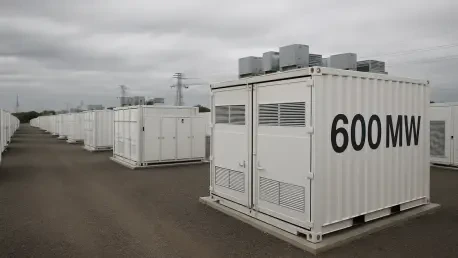
Power demand is rising, coal retirements are accelerating, and weather volatility is testing the grid’s limits, so a 600‑MW battery at Sherco signals not just a project upgrade but a pivot point for how the Upper Midwest plans, builds, and operates reliable clean power at scale. By expanding storage where coal units once dominated, the region begins to swap legacy flexibility for a modern, dispatchable backbone that turns excess renewable energy into firm capacity when it matters most.
Batteries now sit at the center of grid modernization because they solve a practical problem: they shift energy across hours, not seasons, bridging the steep ramps created by solar and wind while sparing customers the cost of running peakers as often. Xcel’s Sherco proposal fits squarely within this reliability‑affordability nexus, threading the needle between decarbonization targets and everyday service expectations.
The ecosystem shaping this move is broad. Utilities across the MISO footprint need accredited capacity and fast‑acting resources; developers, OEMs, and EPCs are scaling four‑hour lithium iron phosphate systems because they offer familiar, bankable performance; and state and federal policy now nudge large investments with clear incentives. Oversight from the Minnesota PUC, federal tax credits including energy community bonuses, and evolving MISO accreditation rules create a pathway where speed, cost control, and reliability can align.
Strategic rationale behind Sherco and Blue Lake: Trends, scale, and system needs
Converting coal sites into clean energy hubs and mainstreaming four-hour LFP
Repurposing retiring coal sites trims years off interconnection and permitting, and Sherco is a textbook case. Reusing grid infrastructure reduces upgrade risk and enables the battery to act as a system‑level asset, charging from wind on the plains, solar on clear days, and baseload nuclear, then discharging during evening peaks or winter mornings.
Four‑hour LFP has become the reliability workhorse for this role. It is built for frequent cycling, fast response, and safe operation—attributes that let operators shave peaks, firm renewables, and hedge price spikes. Balanced portfolios still need targeted gas additions and new transmission, but storage makes those assets run fewer hours while maintaining customer‑focused outcomes: stable bills and steadier service.
Growth signals and performance indicators shaping project economics
Scale and timing point to urgency. The plan includes the 600‑MW Sherco battery—largest in the Upper Midwest—the 135.5‑MW Blue Lake BESS, and a 200‑MW expansion of Sherco Solar, with construction starting in 2026 and operations beginning in late 2027. That cadence matches Xcel’s retail sales growth outlook of roughly 5% through 2030 across 3.9 million electric customers in eight states.
Capital commitments confirm the trend. An added $15 billion over the next five years supports 7.5 GW of renewables, 3 GW of gas, 1.9 GW of storage, 1,500 miles of high‑voltage transmission, and $5 billion for wildfire mitigation. Federal incentives sharpen the math: about 30% credits for Blue Lake and roughly 40% for Sherco’s solar‑plus‑storage, while interconnection reuse, improving accreditation for storage, and declining LFP costs bolster returns.
Technical, economic, and operational hurdles—and how to overcome them
Four‑hour duration does not solve everything. Winter peaks and multi‑day wind lulls require a portfolio solution: geographic diversity of renewables, demand response that flexes load, and targeted pilots in long‑duration technologies to cover rarer but deeper events. That layered approach keeps today’s batteries doing what they do best while preparing for edge cases.
Supply chains and delivery risk remain front of mind. Securing LFP modules at scale, locking EPC capacity, and hedging commodity exposure through staggered procurements and indexed contracts can stabilize budgets. On the grid side, queue congestion and upgrade needs argue for phased builds that match network readiness and preserve near‑term capacity milestones.
Siting at legacy coal facilities opens land and workforce advantages, but community benefits must be explicit. Training pathways, local subcontracting, and clear communication on noise, visual impacts, and emergency response elevate trust. Operationally, advanced forecasting and controls are essential to coordinate charging against variable wind and solar while preserving headroom for contingencies alongside nuclear and gas peakers.
Rules of the road: Approvals, incentives, and market participation
The Minnesota PUC will weigh need, cost recovery, and performance. Approval scopes increasingly pair project authorization with expectations on availability, cost transparency, and customer bill impacts, reinforcing accountability over the asset’s life.
At the federal level, the standalone storage investment tax credit, energy community bonuses, and transferability have become core financing tools. In parallel, MISO’s evolving resource accreditation and participation models for storage improve capacity valuation, aligning earnings with actual reliability contributions.
Compliance is broadening. NERC reliability standards, cybersecurity requirements, and wildfire mitigation mandates set the baseline, while regular reporting on cost, performance, and customer outcomes keeps stakeholders aligned on value delivered to the grid and to ratepayers.
What comes next: Technology evolution, portfolio design, and competitive dynamics
Technology pathways imply continuity and experimentation. LFP remains dominant for utility‑scale four‑hour service, with hybrid solar‑plus‑storage and smarter power electronics improving round‑trip economics and grid services. Over the horizon, flow batteries, thermal storage, and hydrogen may address longer durations and seasonal flexibility.
System architecture is shifting as well. More transmission unlocks geographic diversity; retiring fossil sites become prime storage nodes; and virtual power plants aggregate flexible demand to complement utility‑scale assets. Risks persist—policy shifts, geopolitics, commodity cycles, and extreme weather—but diversified strategies can buffer shocks.
Customer and market signals point to steady demand growth from data centers, electrified transport, and heating loads. That demand strengthens the case for storage that can absorb midday surplus and deliver dependable capacity during net‑peak windows.
Bottom line and actionable takeaways for stakeholders
Sherco and Blue Lake stand as linchpins in replacing coal‑era flexibility with dispatchable clean storage. The investment thesis prioritizes interconnection reuse, hybridization with renewables, and transmission‑enabled portfolios that cut curtailment and enhance capacity value. Execution focuses on hedging supply chains, staging deployments, and diversifying duration resources to manage risk.
Policy continuity matters. Stable incentives, streamlined approvals, and refined storage accreditation sustain momentum and reduce delivered‑cost volatility. Near‑term actions include aligning construction schedules with grid upgrades, procuring LFP at scale with flexible pricing structures, deploying advanced forecasting and controls, and tracking bill and reliability outcomes to inform the next wave of projects.