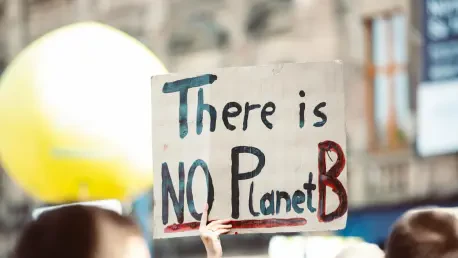

Imagine a world where coral reefs vanish entirely, forests turn from carbon absorbers to emitters, and global temperatures soar past critical thresholds, triggering unstoppable catastrophes. This isn’t a dystopian fiction but a stark warning from over 583 scientists and nearly 580 other qualified supporters who have signed the Dartington Declaration, a powerful plea for urgent climate action. Coordinated by the University of Exeter and WWF UK, this call to arms lays bare the razor-thin margin humanity faces if greenhouse gas emissions aren’t slashed in half by 2030 compared to earlier levels and reduced to net zero by 2050. The declaration paints a chilling picture of a planet teetering on the edge of a “danger zone,” urging global leaders to act with speed and resolve. It’s a reminder that the clock is ticking, and the consequences of delay could be irreversible. This urgent message sets the stage for a deeper dive into the crisis and the pathways forward.
Unpacking the Climate Crisis
The Dire Consequences of Inaction
The Dartington Declaration pulls no punches in highlighting the catastrophic risks of failing to address climate change head-on. Scientists warn that humanity is already witnessing the fallout from crossing key tipping points, such as the devastating loss of coral reefs, which serve as vital ecosystems for marine life and coastal protection. If emissions aren’t curbed drastically within the next few years, the declaration cautions that more dominoes will fall—potentially triggering runaway effects like melting ice caps or collapsing rainforests. The stakes couldn’t be higher, as these changes threaten not just biodiversity but the very stability of global food and water systems. Fossil fuels, which account for roughly 68% of greenhouse gas emissions and nearly 90% of carbon dioxide output worldwide, stand as the primary culprit. Without rapid intervention, the declaration argues, society risks locking in a future of extreme weather, displacement, and economic collapse that no amount of adaptation can mitigate.
Moreover, the declaration emphasizes that the window for meaningful action is shrinking fast. Reports tied to the declaration suggest that even a slight delay in cutting emissions could push global warming beyond the Paris Agreement’s 1.5°C limit, a threshold many scientists view as the last line of defense against irreversible harm. This urgency is compounded by setbacks in international negotiations, such as the recent COP30, where a fossil fuel phaseout roadmap was notably absent from the final agreement. Despite this, some nations are forging ahead independently, signaling a fragmented but determined push to transition away from fossil fuels. The declaration underscores that while these efforts are commendable, they fall short of the unified, global response needed to avert disaster. It’s a sobering reminder that piecemeal solutions won’t suffice when the planet’s future hangs in the balance, demanding a collective resolve that transcends borders and political divides.
Threats to Natural Carbon Sinks
Beyond emissions, the Dartington Declaration draws attention to the alarming degradation of natural carbon sinks, which are essential for absorbing atmospheric carbon and stabilizing the climate. Forests, particularly in the Amazon, are being razed at a staggering pace, flipping their role from carbon absorbers to emitters as deforestation releases stored carbon back into the air. This transformation isn’t just a loss of biodiversity—it’s a direct blow to humanity’s ability to mitigate warming. Similarly, soil degradation poses an equally daunting threat, with the potential to release carbon equivalent to the annual emissions of a major industrial nation. The declaration warns that without urgent protection and restoration efforts, these natural systems could accelerate the climate crisis rather than help solve it, pushing global temperatures toward catastrophic levels.
Equally concerning is the scale of the challenge in reversing these trends. Restoring forests and soils demands not only halting destructive practices but also implementing large-scale reforestation and sustainable land management—a task that requires international cooperation and significant resources. The declaration points out that current efforts are insufficient, with many regions still prioritizing short-term economic gains over long-term environmental health. However, it also notes that protecting these carbon sinks offers a dual benefit: curbing emissions while safeguarding ecosystems that millions depend on for survival. This balance between immediate action and long-term vision is a key pillar of the declaration’s argument, illustrating that nature itself holds solutions if humanity acts swiftly to preserve and harness them.
Pathways to a Sustainable Future
Harnessing Positive Tipping Points
On a more hopeful note, the Dartington Declaration champions the idea of leveraging “positive tipping points” to catalyze rapid change in the fight against climate change. One striking example lies in the plummeting costs of solar power and battery storage, which have made renewable energy more accessible than ever before. These advancements demonstrate how technological innovation can snowball, driving widespread adoption of low-carbon solutions and steering societies away from fossil fuel dependency. The declaration argues that such breakthroughs offer a lifeline—if policymakers and industries seize the moment to scale them up. By investing in and incentivizing these technologies, governments can tip the scales toward sustainability, proving that a cleaner future isn’t just possible but within reach with the right momentum.
In addition, the declaration calls for a cultural shift to complement technological progress, encouraging behaviors and policies that amplify these positive shifts. This means promoting energy efficiency, supporting electric vehicle adoption, and rethinking urban planning to reduce carbon footprints on a massive scale. The scientists behind the declaration stress that while technology provides tools, societal buy-in is the engine that will drive lasting change. Unlike the grim warnings of negative tipping points, this focus on positive momentum offers a blueprint for hope, suggesting that humanity can rewrite its trajectory through deliberate, collective action. It’s a compelling case for optimism, grounded in real-world examples, that challenges leaders to act not out of fear but from a vision of what could be achieved together.
A Unified Call for Transformative Action
Ultimately, the Dartington Declaration stands as a unified cry for transformative action, binding together diverse voices from science to policy advocacy in a shared mission. The consensus among signatories is unequivocal: the decisions made in the coming years will determine whether the planet tips toward catastrophe or sustainability. This isn’t merely about cutting emissions but about reimagining global systems—phasing out fossil fuels, protecting natural resources, and accelerating the shift to renewables. The declaration insists that half-measures won’t cut it; only bold, unprecedented steps can secure a livable future. It’s a narrative of urgency tempered by possibility, urging world leaders to look beyond short-term politics and embrace a long-term commitment to the planet’s health.
Looking back, the urgency of this message was evident in every detail of the declaration’s rollout, from the stark warnings to the actionable solutions proposed. Reflecting on the efforts of those 583 scientists and their supporters, it’s clear their work laid a critical foundation for dialogue. Moving forward, the challenge lies in translating this call into tangible policies—perhaps through stronger international agreements or increased funding for green innovation. Another vital step could be empowering local communities to lead restoration projects, ensuring grassroots momentum matches global goals. As the echoes of this declaration linger, the focus must remain on bridging the gap between scientific consensus and political will, ensuring that yesterday’s warnings shape tomorrow’s victories.