
The Double-Edged Sword of Innovation
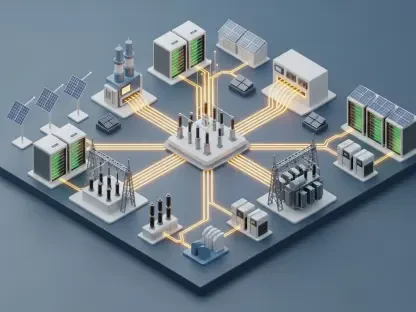
The relationship between artificial intelligence and the energy sector has reached a critical inflection point, presenting a profound paradox that is reshaping markets and challenging long-held assumptions. AI, the engine of our technological future, is creating an unprecedented surge in electricity demand that threatens to overwhelm our aging power grid. Yet, this same technology holds the key to modernizing that very grid, making it more flexible, efficient, and resilient. This analysis explores this dual nature of AI, arguing that navigating this new reality requires a fundamental shift in thinking. Market participants must move beyond viewing data centers as passive consumers and instead embrace them as active partners in a more dynamic energy ecosystem, fostering deep collaboration between the technology and utility industries to unlock a more reliable and affordable energy future for all.
A Perfect Storm: The Collision of Tech Speed and Grid Timelines
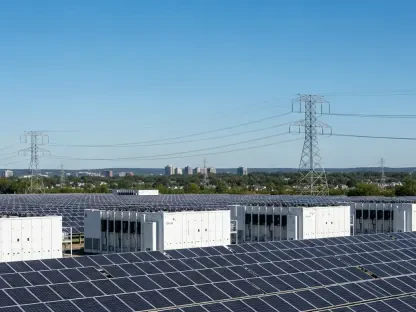
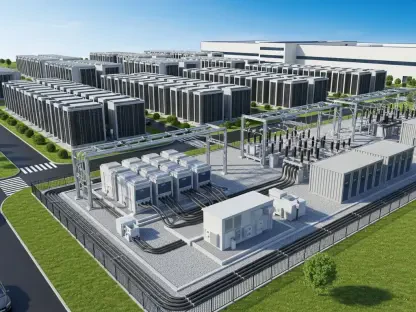
For decades, the U.S. utility sector operated in a world of relatively stable and predictable flat load growth. That era has decisively ended. Today, the grid faces a dramatic and accelerating increase in demand, driven by a powerful convergence of three trends: the onshoring of industrial manufacturing, the electrification of transportation, and, most significantly, the proliferation of data centers to power the AI revolution. The International Energy Agency (IEA) starkly projects that data centers will account for nearly half of all growth in U.S. electricity demand by 2030.
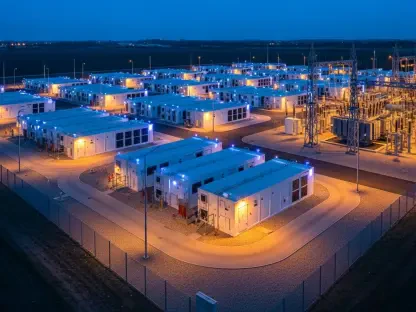
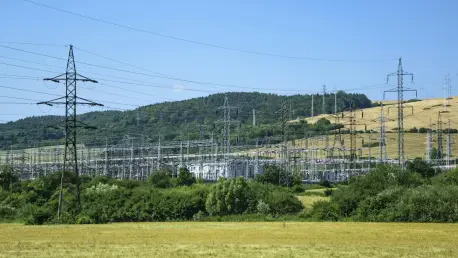
This phenomenon is global, with the IEA forecasting that worldwide data center energy consumption will double from recent levels to 945 terawatt-hours by 2030—a figure slightly larger than Japan’s entire annual electricity use. This new reality has exposed a fundamental mismatch: the tech industry builds data centers at a rapid pace, while the grid infrastructure needed to power them—from transmission lines to transformers—is bound by much longer development timelines, hampered by interconnection queues and supply chain bottlenecks.
Navigating the AI-Energy Paradox
The Unprecedented Thirst: AI’s Soaring Energy Appetite
The sheer scale of AI’s energy consumption is difficult to overstate. It is not just the number of data centers, but the power density within them that is changing the equation. A single AI computing rack operating at its peak can consume as much electricity as approximately 100 typical American homes. This immense thirst for power is the central challenge. As utilities and grid operators struggle to keep pace, the lengthy and complex processes for building new generation and transmission infrastructure create a significant bottleneck.
While policy solutions like permitting reform are under discussion, their impact remains uncertain and is unlikely to provide immediate relief. This disconnect between the speed of digital innovation and the pace of physical infrastructure development forces market stakeholders to look for more immediate and innovative solutions to bridge the gap and ensure grid stability amid skyrocketing demand.
From Passive Consumer to Active Partner: The Promise of Load Flexibility
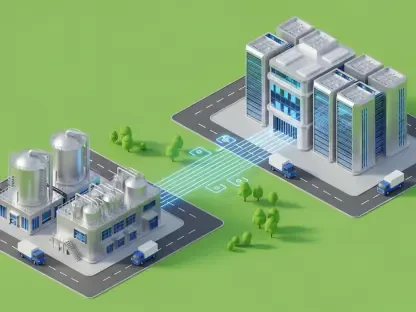
The most promising solution involves reframing data centers not as a problem to be managed, but as a key part of the solution. This is the core principle behind the DCFlex initiative, a collaborative effort of over 60 utilities, hyperscale data center operators, and technology innovators. The concept is load flexibility. If the grid is a superhighway, it must be kept free of congestion to operate reliably. During “rush hour”—periods of peak grid stress—data centers can act like “18-wheelers” that intelligently pull over for a short time.
By throttling back computational loads temporarily, these facilities can provide significant relief to the grid without compromising their essential functions. Recent studies indicate this approach could unlock 100 gigawatts of new data center capacity in the U.S. without requiring new generation, enough to meet projected AI demand for the next decade. Demonstration projects in Phoenix, Charlotte, and Paris are already proving its viability, with an Arizona project showing a 25% energy reduction over a three-hour period on a hot summer afternoon.
The Human-in-the-Loop Imperative: AI as a Tool, Not a Replacement
Beyond managing its own consumption, AI offers powerful tools to help utilities operate the grid more effectively. AI can rapidly process massive volumes of data, enabling better power system planning and operational decision-making. This creates a powerful synergy, allowing computers to handle complex computations while freeing human experts to focus on strategic thinking and managing novel situations. However, a critical word of caution is necessary: AI is a powerful tool, not a replacement for human expertise.
A recent assessment benchmarking large-language models (LLMs) on power-sector questions revealed a significant “reliability gap.” While top models scored well (83%-86%) on multiple-choice questions, their accuracy plummeted by an average of 27 percentage points on open-ended questions. On expert-level operational queries, their accuracy was as low as 46%, a level of unreliability that is unacceptable for critical infrastructure. This finding underscores that expert human oversight is absolutely imperative for the safe and reliable operation of the grid.
Forging the Future: A Dynamic and Intelligent Energy Ecosystem
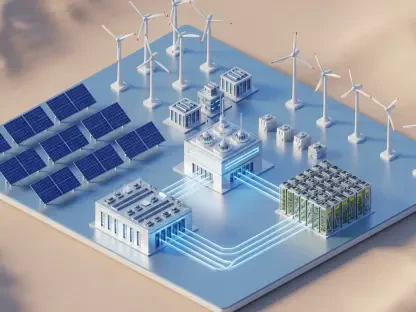
The path forward lies in reimagining the grid not as a static, one-way system but as a dynamic, intelligent, and adaptive ecosystem. This future will be defined by deep collaboration between the technology and energy sectors, where data centers and other large energy users are fully integrated into grid operations as flexible resources. Innovations in open-weight AI models, which can be self-hosted to ensure privacy and security, will allow utilities to tailor solutions to their specific needs. The evolution of the grid will not be driven by technology alone but by a cultural shift toward partnership and shared responsibility for maintaining a reliable and affordable power supply in an increasingly electrified world.
A Blueprint for Action: Bridging the Tech and Utility Divide
The insights gathered from research and real-world demonstrations point to a clear set of strategies. First, the energy and technology sectors must work hand-in-hand to accelerate the adoption of load flexibility programs like DCFlex. This requires developing common standards, market mechanisms, and communication protocols that allow data centers to seamlessly participate in grid services. Second, utilities must adopt a “human-in-the-loop” approach to AI integration. This means investing in training and building internal expertise to critically evaluate and oversee AI tools, ensuring they are used as a supportive aid to, not a substitute for, experienced engineers and operators. By focusing on these twin pillars—collaborative load management and responsible AI deployment—we can navigate the challenges ahead.
The High Stakes of a High-Tech Grid
The immense challenge posed by the energy demands of an AI-powered world was met with a call for equally immense innovation. The dual nature of AI as both the grid’s problem and its solution became the defining energy paradigm of our time. Successfully navigating this paradox required skillfully pairing the irreplaceable expertise of human professionals with the powerful analytical capabilities of artificial intelligence. The stakes were undeniably high, but the opportunity to build a more resilient, reliable, and affordable energy future proved to be even higher. Leading organizations committed to bridging the gap between research and real-world application, signaling that the time for decisive, collaborative action had arrived.