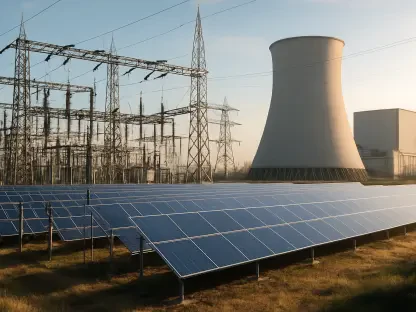

As the American energy landscape faces the dual pressure of intensifying weather volatility and a rapidly shifting fuel mix, the multi-billion dollar question remains whether physical infrastructure or digital intelligence holds the key to grid stability. The debate over the future of the domestic energy supply often centers on a singular, physical solution: building more infrastructure. As extreme weather events become more frequent and severe, the traditional reflex of policymakers and industry leaders has been to call for the construction of more natural gas pipelines to ensure grid reliability. However, recent analysis suggests that this “more steel in the ground” approach may be premature and potentially wasteful. The foundational issue plaguing the resilience of the United States power grid is not necessarily a lack of physical capacity, but a profound and systemic lack of granular, transparent data. This analysis explores why the interaction between gas and electric systems remains a critical blind spot and argues that prioritizing information over infrastructure is essential to ensure long-term energy security.
Addressing the Information Gap in America’s Energy Infrastructure
The current market dynamic reveals a significant disconnect between perceived needs and empirical reality. While industry proponents argue that additional pipelines are the only way to avoid blackouts during peak demand, the absence of high-resolution data makes it nearly impossible to verify these claims. Without a clear understanding of how current assets perform under stress, committing to massive capital projects risks locking in stranded assets that do not actually solve the underlying vulnerabilities.
Moreover, the fiscal implications of choosing infrastructure over information are immense. Investing in digital monitoring and data integration tools requires a fraction of the capital necessary for pipeline expansion. If the grid’s current struggles stem from mismanagement or a lack of visibility rather than a physical shortage, then building more “steel” is essentially treating a diagnostic problem with a blunt surgical tool. Addressing this gap is the first step toward a more efficient and cost-effective energy market.
The Evolution of Interdependence Between Gas and Electricity
Historically, the natural gas and electricity sectors operated largely in isolation, governed by different regulatory bodies and market cycles. However, over the last two decades, a significant industry shift occurred as natural gas replaced coal as the primary fuel for power generation. This transition created a deep interdependence: during extreme cold, demand for natural gas spikes simultaneously for residential heating and for the gas-fired generators that keep the lights on. Past developments, such as the catastrophic failures observed during major winter storms, have highlighted the fragility of this relationship.
Understanding this historical shift is essential because it reveals that current challenges are not just about supply, but about how two complex, interconnected systems compete for the same resource during a crisis. As the market moves further into 2026 and beyond, this competition will only intensify. The reliance on gas as a “bridge fuel” means that the electric grid is now beholden to the operational nuances of the gas delivery system, a reality that the current regulatory framework was never designed to handle.
Evaluating the Risks of “Data Blindness”
The Structural Challenges of Inadequate Record-Keeping
A critical aspect of the current energy crisis is the limitation of existing data sets, particularly on the electric generation side. Organizations like the North American Electric Reliability Corp. (NERC) track when a generator fails, but they offer very little context regarding the underlying cause. To use a car crash analogy: knowing only the time of a crash is insufficient to prevent future accidents if the location, road conditions, and mechanical state of the vehicle remain unknown. Currently, researchers lack data on local weather conditions during plant failures or whether the serving pipeline was actually congested. Without this “normal day” baseline, it is impossible to accurately predict which generators will freeze or fail when temperatures drop to dangerous levels.
The Opaque Reality of Gas Distribution and End Use
Expanding on the issue of transparency, the natural gas side of the equation is often described as a detective novel with missing chapters. A primary obstacle is the lack of clarity regarding end users. Pipeline data frequently groups various consumers under a generic label, making it impossible to distinguish between a critical generator supporting a hospital and a non-essential factory. Furthermore, much of the activity occurs behind the city gate—the point where gas moves from interstate pipelines to local utilities. This data often lacks the temporal and spatial resolution needed to see how gas is prioritized or redistributed during a shortage, creating a significant barrier to effective emergency planning.
Regional Differences and the High Cost of Assumptions
The complexity of the energy landscape is further compounded by regional differences and the dangerous reliance on administrative assumptions. Because key data is often proprietary or siloed between state and federal regulators, planners are forced to fill gaps with educated guesses. This is a scary foundation when planning for life-or-death weather events. There is also a common misconception that building more pipelines is the only way to ensure reliability. In reality, improving data access costs a fraction of the billions required for new pipelines and can be implemented much faster. Addressing these overlooked data gaps could reveal that existing assets are sufficient if managed with better coordination.
Innovations in Grid Modeling and Regulatory Shifts
The future of the energy industry is being shaped by emerging trends in high-fidelity modeling and data integration. Technological innovations now allow for more sophisticated simulations of the gas-electric interface, but these models are only as good as the data feeding them. There is an increasing likelihood of regulatory shifts that mandate more transparent reporting and the breaking down of information silos between utilities and pipeline operators. Experts predict that as the grid becomes more decentralized, the ability to manage demand through data-driven insights will become more valuable than the physical volume of gas moved. These shifts could fundamentally change how the market values infrastructure versus information.
Strategies for Building a More Resilient Energy Future
The analysis indicates that the rush to build more pipelines may be an inefficient solution to a problem that could be solved through better coordination. To improve resilience, several strategies are recommended for the industry:
- Prioritize Data Transparency: Regulators should require more granular reporting on fuel delivery and generator performance to eliminate existing blind spots.
- Establish Common Data Standards: Moving away from proprietary silos toward a unified data framework will allow for better cross-sector modeling and emergency response.
- Invest in Information Infrastructure: Before committing to multi-billion dollar steel projects, states should invest in the digital tools necessary to measure current capacity accurately.By applying these practices, professionals and policymakers can move away from data blindness and toward evidence-based infrastructure planning.
Information as the New Foundation for Energy Security
The investigation into energy resilience demonstrated that the previous focus on physical expansion often overlooked the power of empirical reality. It was found that the interdependence of gas and electricity was too critical to be managed through assumptions and guesswork. While new pipelines were considered, the standard of evidence for such massive investments was raised to ensure fiscal responsibility. Information was recognized as being just as critical as steel and proved to be far more cost-effective to acquire. By prioritizing data-driven transparency, the United States established a path to stop guessing and began building a truly resilient grid that protected public safety and economic stability in an era of climate volatility. These insights provided a blueprint for moving away from administrative assumptions and toward a future where digital intelligence anchored the national energy strategy.