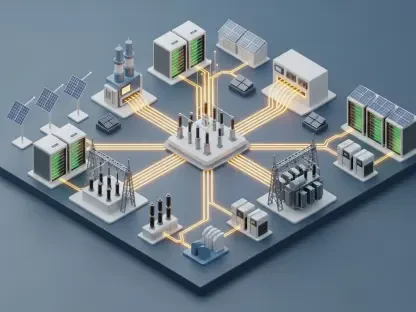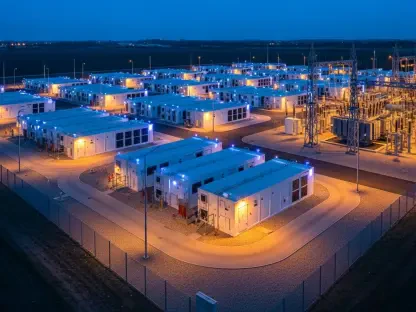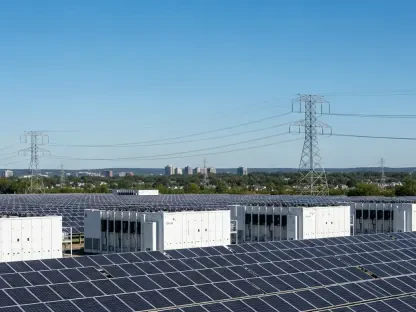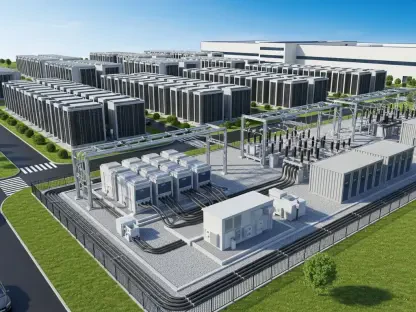

The fragmented state of the American power grid operates as a massive, unintended tax on the modern economy, siphoning billions of dollars from households through systemic inefficiencies. While the United States is often lauded for its industrial might, its energy infrastructure remains a collection of isolated regional islands rather than a cohesive national engine. This lack of integration prevents the seamless transfer of low-cost electricity from resource-rich areas to high-demand urban centers. Moving into 2026, the necessity of bridging these “seams” has shifted from a technical preference to an economic imperative, as the nation seeks to balance rising energy needs with the demand for affordable utility rates.
The Evolution of Fragmented Regional Networks
The current landscape of the American grid is a historical artifact of localized development, where utilities were originally built to serve specific municipal or industrial footprints. Over time, these local entities merged into larger regional transmission organizations, but the borders between them remained rigid. This legacy of “islanded” operations means that even when a surplus of wind or solar power exists in the Great Plains, it cannot be easily transmitted to the East Coast. Instead, those high-demand markets must rely on more expensive, locally generated power, maintaining a status quo that prioritizes regional self-reliance over national cost-efficiency.
Past policy decisions focused heavily on territorial management, leaving a significant gap in interregional connectivity. This lack of a “superhighway” for electricity means that consumers in one state may pay double the rate of their neighbors simply because the physical infrastructure to trade power does not exist. Understanding this infrastructure bottleneck is essential for diagnosing why American energy markets remain volatile and why the benefits of a changing energy mix have not yet reached the average consumer’s monthly bill.
The Economic Consequences of Grid Isolation
Financial Burdens Linked to Geographic Bottlenecks
Rigid boundaries between power markets create artificial scarcity that costs the American public between $5 billion and $7 billion annually. These expenditures are driven by “congestion,” a phenomenon where lower-cost energy is physically blocked from reaching high-priced regions due to insufficient line capacity. In many cases, renewable energy projects in the Midwest are forced to throttle their output—effectively wasting clean, cheap electricity—while families in New England pay a premium for older, less efficient fossil fuel generation. This geographic misalignment represents a massive lost opportunity for economic optimization across the national landscape.
Regulatory Barriers and Competitive Protectionism
The primary obstacles to a unified grid are often more political than they are engineering-based. Incumbent power generators in high-cost regions face a direct threat to their revenue if cheaper, competitive electricity is allowed to flood their local markets. To protect their interests, these established entities often leverage complex regulatory frameworks to delay or veto cross-border transmission projects. Whether it is the long-standing resistance to importing Canadian hydropower into the Northeast or the continued isolation of the Texas grid from its neighbors, the result is a protected market environment that stifles competition and keeps consumer prices high.
Disparities in Infrastructure Investment Patterns
A truly integrated national market would fundamentally reorganize where energy assets are built, favoring efficiency over proximity. Analysis suggests that a unified grid would naturally shift gas-fired power plant investments toward the Rocky Mountains and the Midwest, where operational costs are lower, rather than in expensive coastal markets. However, despite these clear logistical advantages, the pace of interregional development has remained stagnant. Over the last decade, interregional lines have accounted for a negligible fraction of new transmission mileage, illustrating a persistent resistance to large-scale, cross-border infrastructure that could otherwise stabilize the national economy.
Modernization Strategies for Grid Reliability
Maintaining a stable supply of electricity in an era of extreme weather requires a total reassessment of national transfer capabilities. Regulatory bodies have identified a need for at least 35 gigawatts of new interregional capacity to prevent blackouts during peak demand periods. Beyond the immediate cost savings, a connected grid serves as a critical safety net, allowing regions to share power during emergencies. While federal regulators emphasize the importance of transmission, they also advocate for a holistic approach that includes advanced energy storage and better coordination between gas and electric providers to ensure the system remains resilient under pressure.
Strategic Shifts for a Competitive Energy Market
To unlock the billions in potential savings, the United States must move away from the “isolated island” mentality and embrace a coordinated national strategy. Key focus areas include:
- Permitting Reform: Streamlining the federal and state approval processes for long-haul transmission lines is vital to prevent local interest groups from stalling projects that offer widespread economic benefits.
- National Interest Corridors: Prioritizing the construction of high-voltage “superhighways” will allow the country to capitalize on the lowest-cost energy hubs, regardless of their location.
- Market Harmonization: Standardizing the rules for how power is traded across state lines will reduce the administrative friction that currently prevents efficient energy movement.By addressing these entrenched systemic issues, the nation can transition to a more competitive and reliable energy framework that benefits the entire economy.
Long-Term Implications of Grid Integration
The investigation into a unified power grid demonstrated that the financial rewards of integration were substantial and undeniable. Policy experts and industry analysts found that the technical tools for a connected market were already available, yet the transition remained slowed by legacy regulations and economic protectionism. As the country moved toward a more electrified future, the integration of regional markets stood out as a primary lever for lowering the cost of living. Ultimately, achieving a national grid required a decisive shift in political will to ensure that the infrastructure of the future could reliably deliver cheap power to every household.