
In a striking paradox of progress and peril, PG&E Corporation finds itself at a critical juncture where an unprecedented surge in electricity demand from California’s booming tech and manufacturing sectors offers a potential pathway to lower customer rates, yet this opportunity is continuously overshadowed by the colossal financial weight of past and future wildfire liabilities. This delicate balancing act, detailed by CEO Patti Poppe, frames the utility’s immediate future as it attempts to harness the benefits of rapid growth to offset the devastating costs of climate-driven disasters. The company’s strategic decisions in the coming months will not only determine its own financial stability but also shape the energy landscape and affordability for millions of Californians. The core challenge is whether the economic tailwinds from data centers and electric vehicles can provide enough lift to overcome the powerful undertow of wildfire-related financial obligations, a question that has significant implications for both investors and ratepayers.
The Demand Boom a Double-Edged Sword
Data Centers and EVs Fueling Unprecedented Growth
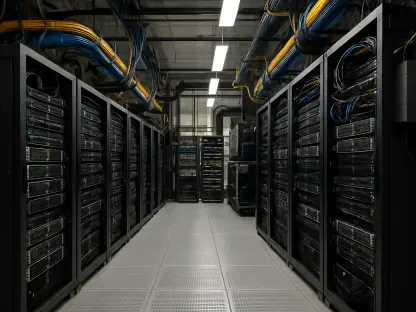
An extraordinary acceleration in large-scale electricity consumption is providing PG&E with a unique lever to manage customer costs, marking a significant shift in the utility’s operational dynamics. This demand is primarily driven by the voracious energy needs of data centers, the rapid adoption of electric vehicles (EVs), and a resurgent manufacturing sector in California, which includes advanced robotics and silicon chip production. CEO Patti Poppe has quantified this direct relationship, explaining that for every gigawatt of new, large-scale load integrated into the system, the company can reduce overall customer bills by approximately 1%. While the total pipeline for these major projects has seen a recalibration from 9.6 GW to 7.3 GW, a substantial 3.6 GW worth of projects have now progressed to the critical final engineering and design stages, indicating a tangible and imminent increase in consumption. This influx of demand effectively spreads the fixed costs of maintaining and upgrading the grid across a larger base of energy sales, translating into direct savings for residential and commercial customers and offering a rare piece of positive news for ratepayers who have faced years of escalating bills.
The Shadow of Wildfire Liabilities
Despite the optimistic outlook presented by demand growth, the persistent and immense financial burden of wildfire costs continues to exert significant downward pressure on PG&E’s financial health and customer affordability. The utility has made notable strides in operational safety, achieving a 43% reduction in wildfire ignitions attributable to its equipment through aggressive system hardening and vegetation management programs. However, the financial liabilities from previous catastrophic events remain a formidable obstacle. This legacy of risk is a primary factor preventing the company from securing investment-grade credit ratings from all major agencies, a crucial benchmark for accessing capital at favorable rates. Although Fitch Ratings recently upgraded the utility’s standing, other key rating agencies are holding back, awaiting the implementation of comprehensive, state-level policy reforms to address the systemic issue of wildfire cost recovery. These lingering financial uncertainties not only constrain the company’s fiscal flexibility but also contribute directly to the high costs borne by its customers, creating a difficult environment where operational improvements have yet to translate into complete financial stability.
Navigating Financial Headwinds and Policy Hurdles
Capital Strategy and Market Realities
In response to this complex financial landscape, PG&E is pursuing a carefully calibrated capital investment strategy designed to support growth without overextending its resources. The company remains committed to its substantial $73 billion five-year capital plan, which is essential for modernizing the grid and enhancing safety. However, a potential $5 billion expansion of this plan has been put on hold, a pragmatic decision influenced by the company’s current market valuation. Management is prioritizing capital deployments that directly facilitate new load growth, as these projects offer the most immediate and tangible path to lowering customer rates by expanding the revenue base. On the financing front, PG&E’s current strategy does not include plans to issue new equity, thereby avoiding dilution for existing shareholders. Instead, the utility intends to issue up to $4.6 billion in debt in 2026. This move is aimed at bolstering its balance sheet and funding necessary operational and capital expenditures, reflecting a disciplined approach to managing its financial obligations while navigating the constraints imposed by its credit standing and market perception.
The Urgent Call for Legislative Reform
The cornerstone of PG&E’s long-term strategy and financial recovery hinges critically on substantive legislative reform of California’s Wildfire Fund. This state-administered fund, designed to reimburse utilities for claims arising from catastrophic wildfires, has been described in a recent California Public Utilities Commission report as “regressive” and an unfair burden on ratepayers—a conclusion CEO Patti Poppe has publicly supported. Poppe emphasized that the current structure places an inequitable financial strain on customers and fails to address the root causes of utility-linked wildfire risk in a sustainable manner. The company is anxiously awaiting the outcome of legislative discussions, which are expected to intensify following the release of a key report on April 1. Poppe delivered a stark warning that without effective and meaningful reforms, all facets of the company’s strategic plans—from capital investment to rate management—would require a fundamental re-evaluation. The push for reform is driven by an urgent need to ensure the long-term viability of the investor-owned utility model, which depends on its ability to attract the low-cost, high-quality investment necessary to build a safe, resilient, and affordable energy system for the future.
A Precarious Path Forward
The utility’s journey highlighted a fundamental conflict between seizing growth opportunities and managing legacy risks. The surge in energy demand from burgeoning industries had presented a clear mechanism to alleviate ratepayer pressure, yet the unresolved specter of wildfire liabilities cast a long shadow over these prospects. PG&E’s strategic decisions—maintaining its core capital plan while deferring expansion and leveraging debt over equity—were pragmatic responses to its immediate financial reality. Ultimately, the company’s ability to translate demand growth into sustainable customer benefits was inextricably linked to the actions of state legislators. The call for reforming the Wildfire Fund represented more than a corporate appeal; it was a critical test of California’s capacity to create a regulatory framework that could support the immense investments needed for a modern, safe, and clean energy grid in an era of increasing climate-driven threats.