
Addressing the Growing Electricity Affordability Crisis in the Garden State
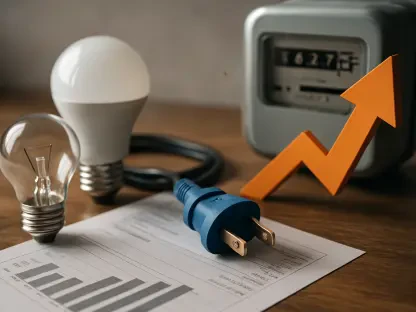
Resident energy bills in New Jersey have surged by roughly twenty percent over the last year, creating an unprecedented financial strain that has forced state regulators to intervene and rethink the status quo. The New Jersey Board of Public Utilities (BPU) initiated a significant regulatory pivot in early 2026 aimed at fundamentally restructuring the state’s electric utility business model. This movement represents a direct response to a burgeoning electricity affordability crisis that has impacted millions of households. By approving the procurement of expert consultancy, the BPU is signaling an end to traditional, century-old regulatory frameworks in favor of modern, performance-driven incentives. This analysis explores how the state aims to transition from a build-for-profit system to one that prioritizes consumer savings and grid efficiency, setting a potential precedent for the rest of the nation.
Current market data suggests that the financial pressure on working-class families has reached a breaking point, necessitating more than just temporary subsidies or price caps. The state government has identified that the underlying structure of how utilities generate revenue is the root cause of these escalating costs. As a result, the BPU is moving toward a model where utility earnings are decoupled from massive infrastructure spending. This strategic shift is designed to ensure that the transition to a cleaner energy grid does not come at the expense of basic economic stability for the average ratepayer. By focusing on systemic reform rather than short-term fixes, New Jersey is positioning itself as a laboratory for modern utility regulation.
The Evolution of Utility Regulation and the Push for Modernization
To understand the current shift, one must look at the historical cost-plus model that has governed utilities for decades. Historically, utility earnings were tied directly to capital-intensive projects, creating a foundational incentive for companies to spend more on infrastructure to increase shareholder returns. While this model ensured a stable build-out of the electrical grid during the mid-twentieth century, it is ill-suited for a modern landscape defined by volatile market prices and the urgent need for decarbonization. Past developments have shown that this legacy structure often leads to operational gold-plating, where utilities prioritize expensive physical assets over cheaper, more efficient software or demand-side solutions.
As energy markets evolved through 2026, the disconnect between utility profits and consumer value became increasingly apparent. The state now seeks to dismantle these legacy structures to address the immediate financial pressure facing residents. This modernization push is not merely about lowering bills in the short term; it is about creating a flexible regulatory environment that can adapt to changing technology. Understanding these background factors is essential, as the transition toward a performance-based system requires a complete reversal of the financial incentives that have driven utility behavior for over a hundred years. The goal is to move from an era of expansion to an era of optimization.
Implementing Structural Reforms for Lasting Consumer Relief
Transitioning to Performance-Based Ratemaking and Financial Accountability
A critical aspect of the proposed reform is the move toward Performance-Based Ratemaking (PBR), which marks a radical departure from traditional models. Under PBR, a utility’s financial rewards are tied to specific outcomes rather than just capital expenditures. This means that utilities earn higher profits only by meeting reliability targets, achieving energy efficiency milestones, and successfully lowering customer bills. Supporting this shift are real-world case studies suggesting that when utility interests are aligned with public benefit, operational waste decreases significantly. The challenge lies in defining fair metrics that provide enough incentive for utilities to remain solvent while ensuring that every dollar spent translates into a tangible benefit for the consumer.
Stabilizing Costs Through Multiyear Plans and Securitization
Building upon the shift toward performance metrics, the BPU is evaluating multiyear rate plans to provide long-term stability for both providers and ratepayers. Instead of frequent, incremental rate hikes that create financial uncertainty, these plans set a predictable horizon for energy costs over a three-to-five-year period. Additionally, the state is exploring securitization tools as a way to refinance utility debts at lower interest rates, directly passing those savings to the public. These mechanisms were designed to insulate residents from the sudden price shocks seen in recent years. However, they require rigorous oversight to ensure that long-term contracts do not accidentally lock consumers into outdated technologies or pricing structures as the market continues to fluctuate.
Reducing Utility Returns and Reevaluating Profit Margins
A more controversial complexity involves the potential reduction of the allowed return on equity for utilities. By lowering the profit margins on capital spending, the state aims to curb the build-for-profit mentality that has historically driven up costs. This approach addresses the misconception that higher utility profits always lead to better service. While industry stakeholders argued that reduced returns could stifle investment, the BPU investigated whether a more modest profit structure could still maintain grid integrity while significantly easing the burden on low-income households. This regional focus on the social contract between utilities and citizens adds a layer of depth to the ongoing debate over energy equity and corporate responsibility.
Technological Shifts and the Future of Distributed Energy
The future of the energy landscape in New Jersey is increasingly shaped by technological innovations like Virtual Power Plants (VPPs) and Distributed Energy Resources (DERs). Following executive mandates in early 2026, the BPU demanded that utilities accelerate the integration of rooftop solar, residential batteries, and electric vehicles into the grid. These decentralized power sources can be coordinated to provide energy during peak demand, reducing the need for expensive, fossil-fuel-burning peaker plants. Experts predict that as these technologies evolve, the grid will become more self-reliant, further insulating the state from the price volatility of regional markets like the PJM Interconnection.
Moreover, the transition to a decentralized grid requires a fundamental change in how utilities manage power flow. Instead of a one-way street from large power plants to homes, the grid is becoming a complex network of multi-directional energy exchanges. This shift allows consumers to become active participants in the energy market, selling stored power back to the utility during high-demand periods. The integration of advanced metering infrastructure and smart-grid software is essential for managing this complexity. As these systems become more sophisticated, the reliance on traditional, centralized infrastructure will likely diminish, leading to a more resilient and cost-effective energy ecosystem for all residents.
Strategies for Balancing Industry Stability and Public Interest
The major takeaway from this analysis is that New Jersey is seeking a balanced regulatory environment that ensures long-term savings while maintaining enough certainty to encourage grid modernization. For professionals in the energy sector, the best practice moving forward involves streamlining interconnections for renewable energy and embracing total transparency in capital spending. This transparency is vital for rebuilding trust with a public that has become skeptical of rising utility costs. For consumers, the shift toward performance-based models suggests that advocacy for efficiency will play a larger role in future rate cases than ever before.
Actionable strategies for the state involve utilizing expert consultancy to move beyond theoretical discussions and into a concrete, enforceable policy framework. This includes setting clear, data-driven benchmarks for utility performance and creating penalties for failing to meet cost-reduction goals. Furthermore, the state must ensure that the transition to new technologies does not leave behind those who cannot afford private investments in solar or battery storage. By prioritizing inclusive policies, New Jersey can ensure that the benefits of a modernized grid are shared across all socioeconomic levels, ultimately stabilizing the market for the long term.
Reimagining the Social Contract for a New Energy Era
The investigation into New Jersey’s utility model revealed a landmark effort to address the tension between aging infrastructure and modern demands for affordability. This analysis determined that decoupling profits from spending and embracing decentralized technology were the most viable paths forward. The state attempted to redefine the relationship between public utilities and the people they served by prioritizing financial relief over shareholder returns. It was discovered that traditional models no longer provided the necessary flexibility to handle market volatility or the integration of renewable resources. Consequently, the pivot toward performance-based metrics stood as a necessary evolution in regulatory policy.
Moving forward, the success of these reforms required a commitment to constant oversight and a willingness to adjust metrics as technology advanced. The findings suggested that lowering bills without compromising reliability was possible through a combination of securitization and the aggressive deployment of distributed energy resources. Strategic takeaways emphasized that energy equity had to remain at the forefront of policy decisions to maintain public support. Ultimately, the state established a framework that valued the economic well-being of the ratepayer as the primary metric of success. This bold transition served as a reminder that the old ways of doing business were insufficient to power a sustainable and affordable future.