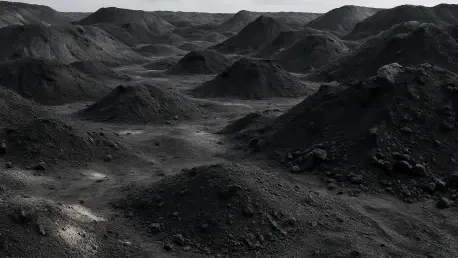

A recent regulatory decision by the Environmental Protection Agency has cast a long shadow over communities near retired coal-fired power plants, pushing back the timeline for addressing the toxic legacy of coal ash disposal sites. The agency has finalized a new rule that grants a significant extension for plant owners to clean up and monitor these inactive “legacy” ponds and landfills, which contain hazardous materials from decades of coal combustion. This delay, framed by the EPA as a necessary measure to ensure compliance feasibility, has ignited a fierce debate, pitting the economic interests of the power industry against the pressing health and environmental concerns of affected populations. The decision postpones critical environmental remediation work, raising questions about the long-term consequences for groundwater and the well-being of those living in the vicinity of an estimated 189 disposal sites across the country, which will now remain unaddressed for a longer period.
The Regulatory Shift and Its Justification
Extended Timelines for Compliance
The finalized rule introduces a substantial delay in the federally mandated cleanup schedule for legacy coal ash sites. Specifically, the deadline for plant owners to initiate the cleanup of these toxic ponds and landfills has been extended by 33 months, moving the compliance date to February 2032. In a related adjustment, the requirement for operators to begin comprehensive groundwater monitoring has also been postponed, shifting from its original May 2028 deadline to February 2031. This extension affects a significant portion of the nation’s coal power infrastructure, encompassing approximately 110 coal-fired units and their associated 189 legacy disposal sites. The new timeline provides a much longer runway for the industry to meet its regulatory obligations under the Coal Combustion Residuals (CCR) rule. This regulation was designed to manage the disposal of coal ash, a byproduct of burning coal that contains a cocktail of heavy metals and other pollutants, ensuring that it does not pose a threat to human health or the environment. The extension effectively alters the pace of this national effort.
The Agency’s Rationale
In its official justification for the delay, the Environmental Protection Agency cited several practical and logistical challenges that plant owners could face in meeting the original deadlines. The agency argued that the extension provides essential time for facilities to complete the complex and often lengthy process of groundwater monitoring and characterization, which is a prerequisite for developing an effective cleanup plan. The EPA also pointed to potential facility-specific hurdles that could impede progress, such as difficulties in hiring qualified environmental personnel, unpredictable weather conditions that can disrupt fieldwork, and the intricate process of securing the necessary state and local permits for remediation activities. From an economic perspective, the EPA projects that this regulatory relief will result in considerable annual savings for the owners of these sites, estimated to be between $8.1 million and $30 million. This financial benefit for the industry was a key factor in the agency’s calculus, balancing the costs of compliance against the operational realities faced by the power generation sector.
Implications and Broader Context
Acknowledged Health Concerns
Despite providing a rationale based on practicality and cost savings, the EPA’s own analysis within the final rule concedes a significant and troubling trade-off: the delay may heighten health risks for vulnerable populations, including children. Coal ash is known to contain a variety of toxic substances, most notably heavy metals like mercury, cadmium, and arsenic. When these contaminants are not properly contained, they can leach from disposal ponds and landfills into the surrounding soil and, most critically, into groundwater sources that may be used for drinking water. Exposure to these toxins is linked to a range of severe health problems, including various forms of cancer, neurological disorders, and developmental issues. By postponing the cleanup and monitoring requirements, the rule extends the period during which these hazardous materials can continue to migrate into the environment, potentially increasing the level of contamination in local water supplies and prolonging the exposure of nearby communities to these dangerous pollutants before corrective actions are implemented.
Environmental Backlash and Regulatory Trends
The decision to extend the compliance deadlines has been met with sharp criticism from environmental advocacy groups, who argue that the delay prioritizes industry convenience over public health and environmental protection. Organizations such as Earthjustice, which has been central to legal efforts compelling the EPA to regulate coal ash, contend that every month of delay allows more toxic pollution to seep into the nation’s water supplies. They maintain that postponing remediation not only exacerbates the existing contamination but also makes the ultimate cleanup more difficult and expensive. This regulatory action is not an isolated event but rather part of a broader pattern of easing environmental regulations on the coal industry. In recent years, similar moves have included the rollback of stringent air pollution rules under the Good Neighbor Plan, which was designed to limit cross-state smog, and a proposal to repeal key updates to the Mercury and Air Toxics Standards, further signaling a shift in federal environmental policy.
A Legacy of Contamination
The decision to delay the cleanup of legacy coal ash sites represented a critical juncture in environmental policy. This action established a precedent that prioritized near-term economic relief for the energy sector over the immediate and long-term health of affected communities. The trade-off was clear: while plant operators gained financial and logistical breathing room, the environmental clock on groundwater contamination was allowed to tick longer. This regulatory shift left a lasting imprint on the landscape of environmental justice, as the communities most impacted by these legacy sites, often low-income and minority populations, were asked to bear a prolonged risk. The debate it ignited went beyond the specifics of coal ash, touching upon the fundamental balance between industrial activity and the public’s right to a safe and clean environment, a question whose consequences would be measured in the health of ecosystems and people for decades to come.