
The landscape of American environmental policy has undergone a dramatic transformation as federal regulators begin to dismantle decades of restrictive climate mandates that once defined the nation’s industrial strategy. This shift marks a fundamental departure from the regulatory framework established during the late 2000s, specifically targeting the controversial 2009 Endangerment Finding which categorized greenhouse gases as direct threats to public health and safety. For years, this classification served as the legal bedrock for aggressive federal intervention in the automotive and energy sectors, but recent administrative reassessments suggest that the original scientific and legal justifications were significantly overstated. As the Environmental Protection Agency moves to scale back these tailpipe emission standards, the conversation has moved from a singular focus on carbon reduction to a more nuanced debate regarding economic viability, legislative authority, and the actual environmental efficacy of top-down mandates.
Redefining Regulatory Authority and Impact
Legal Constraints: Statutory Limits of Federal Power
The recent decision by the agency to roll back stringent vehicle emission rules is primarily anchored in a candid admission that its previous regulatory actions exceeded the statutory authority granted by the Clean Air Act. For more than a decade, the agency operated under an expansive interpretation of federal law that allowed for the enforcement of sweeping environmental agendas without explicit congressional approval. By acknowledging this overreach, the current administration is signaling a return to a more disciplined and literal interpretation of the 1970 legislation, which was originally designed to combat local smog and tangible pollutants rather than global atmospheric concentrations of carbon dioxide. This correction is viewed by many legal scholars as a necessary step to restore the balance of power between the executive branch and the legislature, ensuring that major policy shifts involving billions of dollars in economic impact are vetted through the democratic process rather than enacted by unelected bureaucrats.
Building on this legal pivot, the agency has clarified that the pursuit of social or environmental goals, however well-intentioned, cannot come at the expense of constitutional boundaries or the specific mandates of existing law. The historical practice of stretching old statutes to cover modern climate concerns has faced increasing scrutiny in the courts, leading to a climate of regulatory uncertainty that has hampered long-term industrial planning. By withdrawing these unauthorized mandates, the agency aims to provide a more stable and predictable environment for manufacturers who have been caught between conflicting state and federal requirements. This move effectively closes a chapter of administrative expansionism, suggesting that any future attempts to regulate the fundamental chemical composition of vehicle exhaust must be preceded by new, specific legislation from Congress. This shift ensures that the federal government remains accountable to the people and the law rather than acting as an independent source of policy creation.
Questioning Environmental Efficacy: Analysis of Real Impact
Beyond the legal arguments, the agency has concluded that the tangible environmental benefits of the previously proposed vehicle emission standards were effectively negligible when measured against global climate trends. This admission is a striking departure from the high-stakes rhetoric that characterized the implementation of these rules, where every marginal reduction in tailpipe carbon was framed as a critical component of a global environmental rescue effort. Data now suggests that the localized impact of these specific mandates would have had an imperceptible effect on global temperatures or sea levels, calling into question the massive administrative and compliance costs imposed on the public. This realization has significantly undermined the sense of urgency that once fueled the adoption of strict standards, leading to a broader internal reassessment of which environmental risks truly warrant federal intervention and which are better handled through technological innovation.
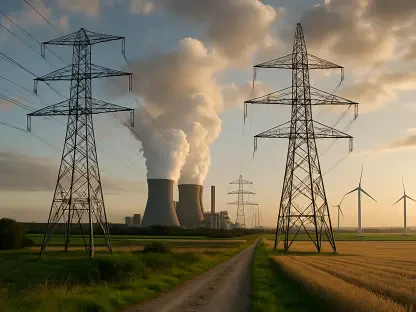
While the reversal on vehicle emissions represents a significant victory for proponents of a more pragmatic environmental policy, it is increasingly seen as only the first step in a larger effort to dismantle the 2009 Endangerment Finding. Critics of the original ruling argue that the classification of carbon dioxide as a pollutant remains the primary obstacle to sensible energy policy, particularly regarding the industrial sector and power generation. Large-scale facilities, such as coal-fired and natural gas power plants, continue to operate under a cloud of regulatory pressure based on scientific claims that many now view as flimsy or ideologically driven. The current trend suggests a growing momentum to extend these regulatory rollbacks to the broader energy landscape, moving away from a model of criminalizing carbon emissions and toward a philosophy that emphasizes resilience, adaptation, and the recognition that atmospheric gases play complex, and often beneficial, roles in the global ecosystem.
Economic Realities and the Biological Role of Carbon
The Financial Toll: Impact of Climate Mandates
The economic consequences of the aggressive push for de-carbonization have become increasingly apparent, with staggering amounts of capital diverted from productive sectors into what many describe as a fiscal black hole. Between 2026 and 2030, the projected investments required to sustain the current energy transition are expected to reach trillions of dollars, often at the expense of more pressing social needs like healthcare, infrastructure, and basic research. These mandates have been particularly hard on the automotive industry, which has been forced to pivot toward electric vehicle technology despite clear signals from the market that consumers still favor the reliability and affordability of internal combustion engines. This forced transition has resulted in significant financial losses for major manufacturers, who have had to subsidize unwanted electric models with the profits from traditional vehicle sales, creating a distorted market that rewards compliance over consumer demand and actual value.
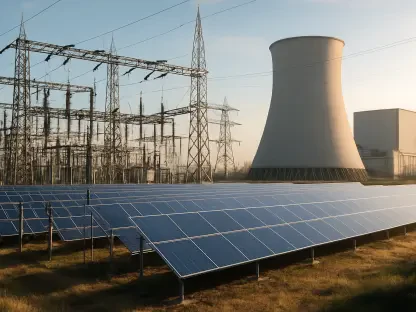
Furthermore, the massive subsidies and tax credits used to prop up wind, solar, and electric vehicle initiatives have placed an enormous burden on the federal budget and, by extension, the American taxpayer. Critics argue that this capital could have been far more effective if invested in the modernization of existing energy grids or the enhancement of carbon-intensive sectors that already provide the vast majority of the nation’s power. Instead of fostering organic innovation, the regulatory environment of the past decade created a system of artificial incentives that prioritized political optics over economic efficiency. The recent shift in EPA policy is seen as a crucial course correction that allows the market to reallocate resources based on actual performance and consumer preference. By removing the threat of punitive emission fines, the government is allowing the private sector to focus on sustainable growth and the development of technologies that can survive without continuous government life support.
Reassessing the Science: The Role of CO2 in Nature
A central component of the current policy shift involves a fundamental reassessment of carbon dioxide, moving away from the “pollutant” label and toward an understanding of its role as a vital atmospheric fertilizer. Proponents of this view point to the significant “greening” of the planet over recent decades, a phenomenon largely attributed to increased levels of carbon dioxide which stimulate plant photosynthesis and increase agricultural productivity. In this context, the gas that was once vilified as a threat to human health is now being recognized for its contribution to global food security and the expansion of forest cover across the world. This biological perspective challenges the alarmist narratives that focus exclusively on temperature fluctuations, suggesting that the benefits of a carbon-rich atmosphere are often ignored by regulators who are preoccupied with theoretical climate models rather than observed ecological improvements.
This scientific counter-narrative also emphasizes the historical relationship between fossil fuel utilization and the unprecedented rise in global life expectancy and human flourishing. Since the beginning of the industrial age, the use of coal, oil, and natural gas has enabled a level of technological advancement that has protected humanity from the whims of a harsh and unpredictable climate. Deaths from natural disasters have plummeted as better infrastructure, heating, and cooling systems have been developed using affordable energy. By contrast, the movement to criminalize carbon emissions ignores these tangible human benefits, focusing instead on a vision of the future that would require a massive reduction in the standard of living for the average person. The current regulatory reversal reflects a growing acceptance that fossil fuels remain the backbone of modern civilization and that the environmental narrative of the past several years failed to account for the immense social and biological advantages of carbon-based energy.
Global Consequences and the Developing World
International Influence: The Reach of U.S. Standards
As the world’s leading economic and technological power, the policy decisions made by the Environmental Protection Agency often serve as the “gold standard” for environmental protection globally. When the United States formally designated greenhouse gases as public hazards in the late 2000s, it set off a chain reaction that saw numerous other nations and international bodies incorporate similar language into their own domestic laws. This global alignment was often driven more by the desire to stay in the good graces of Western financial institutions than by a specific environmental need within those countries. Consequently, many developing nations found themselves bound by restrictive emissions targets that were fundamentally incompatible with their need for rapid industrialization. This trend created a dynamic where the world’s poorest regions were pressured to adopt expensive, intermittent energy sources before they had even established a basic, reliable electrical grid for their populations.
The impact of these Western-led climate policies has been particularly devastating for regions that lack the capital to invest in experimental “green” technology. By following the lead of the EPA, many countries in the Global South restricted the development of their own fossil fuel resources, leading to chronic energy shortages and a lack of access to clean cooking fuels, refrigeration, and water purification systems. These energy deficits are directly linked to higher rates of disease, poverty, and mortality, yet they were often framed as necessary sacrifices for the greater good of the global climate. The realization that the EPA is now backing away from its own strict mandates provides a powerful signal to these nations that the era of rigid climate conditionality may be coming to an end. This shift allows for a more honest discussion about the trade-offs between carbon reduction and the immediate, life-saving benefits of affordable and reliable fossil-fuel energy.
Global Prosperity: A New Path for Emerging Markets
The EPA’s reversal on vehicle emissions and the broader questioning of the 2009 Finding represent a significant opening for developing countries to reclaim their energy sovereignty. Without the looming threat of U.S.-led diplomatic or economic pressure to “de-carbonize,” these nations can now pursue a more pragmatic path toward economic growth using the most efficient and cost-effective resources available to them. This transition is expected to spark a new wave of industrial development in regions that have long been held back by the high costs of renewable energy mandates. By leveraging coal and natural gas to build robust power infrastructures, these countries can provide the foundation for modern healthcare, education, and manufacturing systems that are essential for lifting millions out of poverty. This move reflects a broader global recognition that access to energy is a fundamental human right that should not be subordinated to ideological climate goals.
In the years following this regulatory shift, the focus of international development is likely to move away from carbon mitigation and toward large-scale infrastructure projects that prioritize human resilience and economic output. The past decade demonstrated that attempting to bypass the fossil-fuel stage of development is not only difficult but often counterproductive to the goal of improving human life. Moving forward, the global community must recognize that a wealthy, energy-abundant world is far better equipped to handle environmental challenges than a world impoverished by energy scarcity. Policy makers should prioritize the export of advanced combustion technologies and efficient grid management systems, ensuring that developing nations can grow their economies while minimizing traditional pollutants. This shift in perspective finalized the move toward a more inclusive and realistic global energy strategy, where the primary objective is the advancement of human civilization rather than the arbitrary restriction of life-sustaining atmospheric gases.