
The collision between visionary environmental legislation and the harsh realities of a volatile global economy has reached a breaking point in New York, forcing a dramatic reassessment of the state’s pioneering climate goals. Governor Kathy Hochul recently articulated a significant policy pivot, suggesting that the aggressive timelines established under the 2019 Climate Leadership and Community Protection Act may no longer be feasible in their original form. This recalibration is not merely a technical adjustment but a fundamental shift from aspirational governance to a brand of economic pragmatism that prioritizes immediate financial stability for constituents over rigid adherence to long-term mandates. By signaling a need for a “reality check,” the administration acknowledges that the landscape of 2026 is vastly different from the era when these laws were first penned, necessitating a more flexible approach to avoid systemic economic failure while still pursuing a greener future for the region.
Navigating the Complexities of Legislative Ambition
The foundational pillars of New York’s climate strategy were built upon the requirement to reach seventy percent renewable energy by 2030 and a completely zero-emission electricity grid by 2040. However, the Governor now contends that the state requires significant breathing room to manage the cumulative impact of various global and domestic disruptions that have materialized over the past few years. A “perfect storm” of challenges, ranging from the lingering socioeconomic ripples of the pandemic to severe logistical bottlenecks in the offshore wind sector, has fundamentally altered the trajectory of these projects. The administration argues that maintaining the current pace without adjustment would be irresponsible, as the rapid transition has begun to outpace the development of supporting infrastructure and the capacity of the local supply chain to deliver necessary components at a reasonable cost.
Furthermore, the shifting federal policy landscape and fluctuating international energy markets have complicated the procurement process for large-scale renewable initiatives. The Governor pointed out that the state essentially jacked up the standards so high that they risked becoming unattainable under the current economic climate, where interest rates and material costs remain high. This acknowledgment reflects a broader concern that the green energy transition, while vital for long-term sustainability, cannot be forced through at the expense of regional economic health. By seeking a delay, the executive office aims to create a more realistic pathway that accounts for the actual time required to permit, fund, and construct the massive infrastructure projects needed to replace fossil fuel dependency. This shift suggests that the state will move toward a phased implementation strategy that values reliability and affordability as much as carbon reduction.
Evaluating the Economic Toll on New York Households
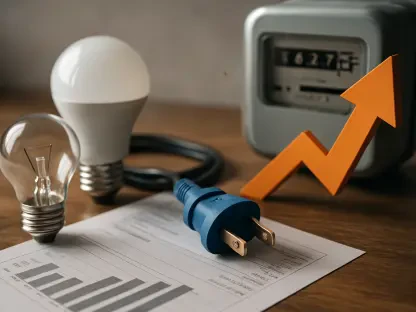
Central to the argument for a timeline extension is a stark financial analysis released by the New York State Energy Research and Development Authority, which highlighted the potential for significant “sticker shock” among residents. The data suggests that meeting the original 2030 targets could impose an additional four thousand one hundred dollars in annual energy and fuel costs on typical upstate households, particularly those relying on heating oil and multiple vehicles. This projection has sparked a consensus among state analysts that the initial 2019 models failed to anticipate the return of an inflationary economy and the resulting volatility in global energy prices. For the average citizen, the cost of the transition has moved from a theoretical policy debate to a tangible threat to their monthly household budget, creating a political environment where legislative flexibility has become an economic necessity.
This financial data has deepened the ideological divide within the state legislature, leading to intense debates over the true cost of environmental progress. While Republican lawmakers have utilized these figures to validate their long-standing criticisms of the climate mandates, characterizing them as inherently unaffordable, progressive advocates argue that the estimates are being taken out of context. Critics of the delay suggest that high utility bills are actually a symptom of the state’s continued reliance on aging fossil fuel systems, which are becoming increasingly expensive to maintain and operate. They contend that any pause in the renewable rollout will only prolong this dependency and leave New Yorkers vulnerable to the whims of global oil markets. Despite these counterarguments, the administration remains focused on the immediate “energy affordability crisis,” positioning the budget as the primary vehicle for amending the law to reflect these new fiscal realities.
Addressing Structural Barriers and Local Resistance
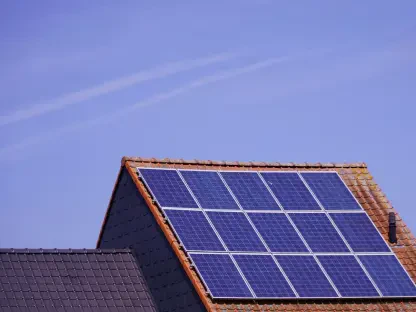
Structural hurdles within the state’s governance model have also played a decisive role in slowing the expansion of renewable energy capacity. The principle of “home rule” grants local governments significant authority over land use, and many communities have exercised this power to block or delay the installation of large-scale solar arrays and battery storage facilities. This localized resistance has created a massive backlog of planned projects that are essential for meeting statewide goals but remain stalled due to zoning disputes and community opposition. Governor Hochul has noted that the state cannot simply jam these projects down the throats of unwilling localities, highlighting a disconnect between top-down legislative mandates and the ground-level reality of infrastructure development. This friction underscores the need for a more collaborative approach that incentivizes local participation rather than relying on mandates.
In addition to local opposition, the Governor has expressed frustration with the pace of federal approvals and the need for more robust support from Washington. Streamlining the permitting process for offshore wind and securing federal aid for municipal solar initiatives are seen as critical components for accelerating the transition, yet progress at the federal level has often been sluggish. The administration is now calling for a more vocal and unified front among New York’s federal representatives to ensure that the state receives the resources and regulatory clarity required to move forward. Without these improvements, the state risks a scenario where renewable projects are technologically ready but legally and logistically stranded. This situation has reinforced the executive’s stance that a timeline extension is the only logical way to reconcile the mismatch between ambitious legal requirements and the actual speed of project delivery.
Ensuring Grid Reliability and the Nuclear Alternative
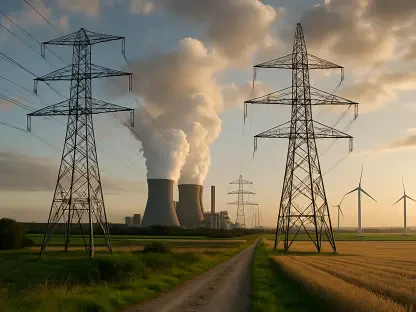
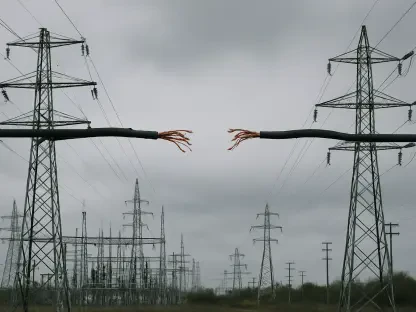
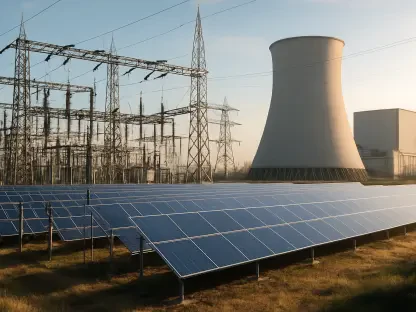
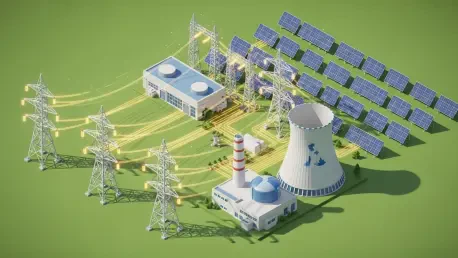
The conversation regarding New York’s energy future is increasingly dominated by concerns over the reliability of the power grid, particularly in high-demand areas like New York City. The New York Independent System Operator has issued warnings regarding potential power shortages as early as next year, citing the retirement of older fossil fuel plants and the slow integration of replacement renewable sources. To mitigate these risks, the Governor has expanded the state’s focus to include a more robust nuclear energy strategy, aiming for an eight-gigawatt nuclear fleet to provide a stable, zero-emission baseline for the grid. This move signals an understanding that wind and solar alone may not be sufficient to meet the state’s massive energy requirements in the short term, especially as the electrification of heating and transportation systems continues to drive up total electricity demand across the region.
The transition toward a more diversified energy portfolio included a recognition that the state must balance its environmental goals with the practical need for a continuous and resilient power supply. Legislators and energy officials began evaluating the long-term role of existing nuclear facilities while exploring the deployment of next-generation small modular reactors to fill the gaps left by intermittent renewable sources. This strategy prioritized the creation of a reliable energy backbone that could support the grid during peak loads and weather events. Moving forward, the state focused on developing integrated energy hubs that combined battery storage with nuclear and renewable generation to maximize efficiency. These actionable steps were designed to ensure that the move away from carbon-heavy fuels did not result in blackouts or price spikes, ultimately creating a more sustainable and secure energy infrastructure for all New Yorkers.