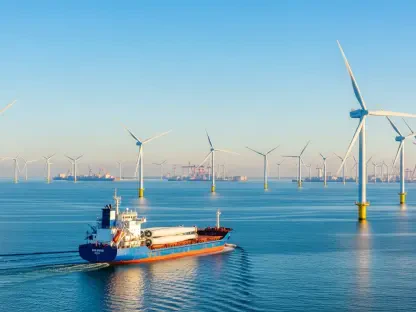

The aging copper and aluminum wires that stretch across the American landscape currently operate under a rigid digital speed limit originally conceived during the middle of the twentieth century. While billions of dollars flow into the development of high-tech renewable energy sources like offshore wind and utility-scale solar, the physical infrastructure connecting these sources to homes remains tethered to conservative safety assumptions. Traditional grid management relies heavily on static ratings, which are capacity limits based on absolute worst-case weather scenarios, such as a blistering summer day with no wind. However, a significant technological shift is proving that the current grid can carry substantially more power than previously thought, simply by measuring the environmental conditions in real time.
This hidden capacity represents a massive opportunity to optimize the existing electrical infrastructure without the immediate need for massive physical overhauls. By moving away from rigid estimates and toward a data-driven model, utilities can unlock latent potential in wires that were once considered at their limit. This modernization is essential as the demand for electricity continues to climb, driven by the electrification of transportation and the expansion of energy-intensive data centers. The transition allows for a more flexible and responsive power system that can adapt to the immediate needs of the population while maximizing the use of clean energy assets already in place.
Moving Beyond the “Worst-Case Scenario” Framework
For several decades, utility companies prioritized safety by operating with an immense operational buffer, assuming that weather conditions are consistently unfavorable for cooling high-voltage transmission lines. This static approach frequently leads to grid congestion, a state where energy flow is restricted even when the physical lines are capable of carrying a significantly higher load. As global energy demand surges and the transition to carbon-neutral power accelerates, this systemic inefficiency has transformed into a multi-billion dollar bottleneck that slows the integration of new energy sources.
The energy industry currently faces a pivotal crossroads that requires a choice between two distinct paths. The first path involves waiting a decade or longer to permit and construct new physical transmission lines, a process often mired in regulatory delays and high costs. The second path focuses on finding innovative ways to unlock the existing capacity in the wires already crisscrossing the country. By challenging the necessity of the worst-case scenario framework, grid operators can begin to treat the transmission network as a dynamic asset rather than a fixed one, allowing for more electricity to flow during the vast majority of hours when conditions are not at their atmospheric extremes.
Transitioning From Static Assumptions to Real-Time Data
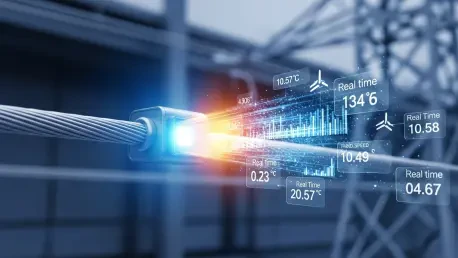
Dynamic Line Rating (DLR) functions as a sophisticated digital nervous system for the modern energy grid, replacing rigid, historical estimates with empirical, live data. By installing advanced sensor units directly onto energized high-voltage conductors—such as those utilized in recent successful pilots—utilities can monitor the exact physical state of the grid. This technology focuses on several critical environmental variables that dictate exactly how much electricity a wire can safely handle at any given moment.
A light breeze can provide significant cooling to a transmission line, allowing it to carry more current without the risk of overheating. On colder days, the grid’s capacity naturally expands, and DLR allows operators to utilize this extra headroom legally and safely. Furthermore, these sensors account for solar radiation and thermal gain from direct sunlight, ensuring safety during peak summer hours while maximizing energy flow during periods of cloud cover. By monitoring the physical sag and tension of the wires, DLR ensures that transmission lines never dip below safe clearance levels, regardless of the electrical load being carried. This real-time visibility transforms the grid from a blind system into one that is fully aware of its own physical limitations and strengths.
Expert Perspectives on Grid-Enhancing Technologies
Industry leaders view Dynamic Line Rating not as a standalone solution, but as a primary component of a broader suite of Grid-Enhancing Technologies (GETS). Robert Clausius of Ameren has noted that the true value of DLR emerges during environmental extremes, such as windy winter days, when the gap between static limits and actual capacity is at its widest. These periods represent missed opportunities for energy transmission that DLR effectively captures, allowing for a more resilient response to weather-driven demand spikes.
Furthermore, Shawn Schukar of Ameren Transmission Company of Illinois emphasizes that DLR acts as an essential diagnostic tool for long-term planning. By identifying where the grid is truly stressed versus where it is merely underutilized due to outdated assumptions, utilities can make more informed decisions about where to invest in new physical infrastructure. This ensures that ratepayer capital is spent only where it is most critically needed, preventing unnecessary construction while addressing actual bottlenecks. The integration of these technologies represents a shift toward a more intelligent, transparent management style that prioritizes both economic efficiency and operational safety.
Strategies for Integrating DLR into Modern Utility Operations
Modernizing the grid through the adoption of Dynamic Line Rating requires a structured and phased approach to move from small-scale pilot programs to full operational standards. The framework for this transition involves several key strategic steps. First, utilities must engage in targeted sensor deployment, identifying burdened lines that are most prone to congestion or located near high-demand centers. These high-priority segments benefit most from the installation of clamp-on sensor units, providing immediate relief to the most stressed parts of the network.
Beyond physical installation, the successful integration of DLR requires seamless data flow to regional transmission organizations. Feeding real-time environmental data into these oversight bodies allows for the implementation of Ambient-Adjusted Ratings that reflect the true, current capacity of the lines. Finally, the use of economic optimization strategies ensures that DLR data is used to reroute energy flow more efficiently across the entire region. This reduction in congestion charges ultimately lowers the cost of electricity for the end consumer, proving that digital modernization is as much about financial sustainability as it is about technical performance.
The shift toward Dynamic Line Rating represented a fundamental change in how the reliability and capacity of the electrical grid were managed. Utility providers moved away from conservative, static assumptions and embraced a model that prioritized real-time environmental awareness. This transition facilitated the integration of vast amounts of renewable energy that would have otherwise been curtailed due to perceived limitations. By utilizing advanced sensors to monitor wind, temperature, and physical sag, grid operators safely increased power throughput and reduced the immediate need for expensive new construction. These advancements ensured that the infrastructure remained resilient against shifting climate patterns and rising energy demands, ultimately establishing a more efficient and cost-effective power delivery system for the public.