
Thecontemporaryeconomiclandscapehasforcedadramaticreassessmentofhowessentialserviceprovidersmanagethegrowingchallengeofresidentialdelinquencyandaccumulatingarrears. In the current climate of 2026, many households are finding that energy costs consume a disproportionately large share of their monthly budgets, creating a precarious balance for utility companies. These organizations must now navigate a complex regulatory environment that increasingly discourages traditional service disconnections while simultaneously demanding high levels of financial stability and operational efficiency. This tension has catalyzed a significant movement away from old-fashioned, reactive debt collection tactics toward a more sophisticated, technologically driven framework. By prioritizing early intervention and leveraging real-time data, utilities are successfully shifting their focus from recovering lost revenue to preventing the initial accumulation of debt. This transition represents a fundamental change in the relationship between the utility and the consumer, fostering a more sustainable economic model for everyone.
Shifting From Reactive Collections To Proactive Engagement
Leveraging Data And Multi-Channel Communication
The integration of omnichannel communication represents a cornerstone of modern revenue cycle management, moving beyond the limitations of traditional paper-based billing. Because a significant portion of missed payments stems from simple administrative oversight or the friction of physical mail, utilities are now deploying automated reminders through text messages, emails, and smartphone push notifications. These “timely nudges” are designed to align with the digital habits of modern consumers, ensuring that a bill does not get lost in a stack of mail or forgotten during a busy work week. By reaching customers through their preferred digital channels, providers can facilitate immediate action, often allowing for one-click payments directly from a notification. This strategy does more than just secure funds; it reduces the administrative burden on call centers and minimizes the need for more aggressive collection efforts later in the cycle, creating a smoother experience for all.
Beyond simple reminders, the application of advanced data analytics allows utility companies to transform their approach from a broad, one-size-fits-all model to a targeted, risk-based strategy. By analyzing historical payment patterns and identifying seasonal trends, providers can now predict which accounts are most likely to enter a state of delinquency before the first missed deadline occurs. This predictive capability enables the delivery of personalized outreach, such as offering proactive payment arrangements or directing eligible customers toward state-funded assistance programs. For instance, if data suggests a household typically struggles during the peak heating or cooling months, the utility can intervene early with budget billing options that smooth out costs over the entire year. This preventative approach mitigates the risk of insurmountable debt balances, ensuring that customers remain connected to vital services while the utility maintains a predictable and steady cash flow throughout the fiscal year.
Transitioning To Secure Digital Payment Ecosystems
A critical component of modernizing the payment lifecycle involves steering the customer base away from antiquated paper checks and toward secure, integrated digital platforms. Paper-based transactions have become increasingly problematic in the current financial environment, primarily due to a significant rise in check fraud and the high operational costs associated with manual processing and lockbox management. By encouraging the adoption of digital portals and interactive voice response systems, utilities can drastically reduce the window for fraudulent activity while accelerating the speed of the revenue cycle. These digital channels provide a much higher level of security for sensitive financial information, utilizing encryption and multi-factor authentication to protect both the consumer and the utility. The shift toward digital-first billing also allows for real-time transaction confirmation, eliminating the uncertainty that often accompanies mailing a check and waiting for it to clear.
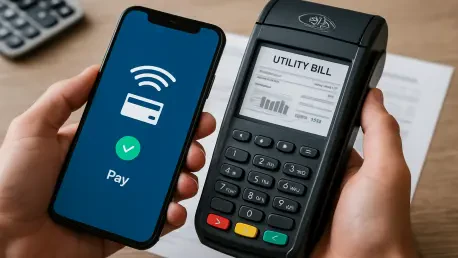
The widespread adoption of digital wallets and mobile-optimized payment portals has fundamentally changed the way consumers interact with their monthly utility obligations. By integrating popular payment methods like Apple Pay, Google Pay, and other localized digital wallet services, utilities are meeting customers where they already conduct their daily financial business. These tools facilitate the setup of recurring payments and automated billing arrangements, which are proven to be among the most effective methods for stabilizing long-term cash flow. When payments are automated, the likelihood of a delinquency occurring due to human error is virtually eliminated, creating a baseline of consistent revenue for the provider. Furthermore, these platforms allow utilities to offer “text-to-pay” options, where a customer can settle a balance with a simple reply to a message. This level of convenience significantly lowers the barrier to payment, ensuring that the utility remains a priority within the household’s monthly financial hierarchy.
Prioritizing Financial Equity And Process Optimization
Enhancing Accessibility For Diverse Customer Segments
Modernization efforts must be rooted in a deep understanding of financial equity to ensure that technological advancements do not inadvertently exclude vulnerable populations. A “mobile-first” strategy is particularly effective in this regard, as smartphone ownership remains high even among demographics that may lack traditional banking relationships or high-speed home internet. For unbanked or underbanked customers, the ability to manage an account entirely through a mobile interface is a necessity rather than a luxury. By optimizing portals for lower-bandwidth connections and ensuring that all features are accessible via a mobile browser, utilities can provide a bridge to financial stability for those who might otherwise be left behind. This focus on inclusivity aligns with the evolving regulatory landscape, which places a high premium on environmental justice and the fair distribution of essential services, regardless of a customer’s specific socioeconomic status or geographic location.
True accessibility also requires recognizing that for some segments of the population, cash remains the primary medium for financial transactions. To address this, forward-thinking utilities have established partnerships with local retail networks, allowing customers to pay their digital bills with cash at convenient neighborhood locations like grocery stores or pharmacies. This hybrid “cash-to-digital” approach ensures that the benefits of a modernized payment system are available to everyone, including those who do not use credit cards or traditional bank accounts. Additionally, the implementation of multilingual support across all digital touchpoints and ADA-compliant platform designs further reduces the barriers to payment. By treating accessibility as a core operational requirement rather than an afterthought, utilities can significantly decrease the incidence of involuntary disconnections, which are both socially damaging and expensive for the provider to execute and manage over the long term.
Streamlining The Customer Journey To Reduce Friction
The intersection of behavioral science and financial technology has revealed that the “friction” present in a payment process is often the deciding factor in whether a bill is paid on time. When a customer encounters a confusing billing statement, a difficult login process, or a lack of flexible payment options, the cognitive load required to complete the transaction often leads to procrastination and eventual delinquency. Modern utilities are addressing this by streamlining the entire customer journey, from the moment a bill is generated to the final confirmation of payment. Simplifying the visual layout of statements to highlight the amount due and the deadline, while providing direct links to payment portals, significantly reduces the effort required from the consumer. This optimization turns the payment process from a dreaded administrative task into a seamless, low-effort interaction, which directly translates into higher collection rates and a more positive perception of the utility company’s brand and service.
Investing in these modernized systems established a foundation for long-term financial resilience across the entire utility sector. Organizations that moved quickly to adopt these strategies found themselves better positioned to manage the economic fluctuations and shifting regulatory demands of the mid-2020s. For providers, the shift resulted in more predictable revenue streams and a substantial reduction in the costs associated with late-stage collections and legal actions. For the public, these innovations provided a transparent and flexible pathway to maintaining essential energy services during challenging financial periods. Moving forward, the industry learned that early intervention and technological integration were not merely optional upgrades, but vital necessities for institutional sustainability. The focus was shifted toward creating a collaborative ecosystem where payment was made easy, and financial support was accessible, ensuring that the lights stayed on for both the provider and the consumer through a more equitable and efficient system.