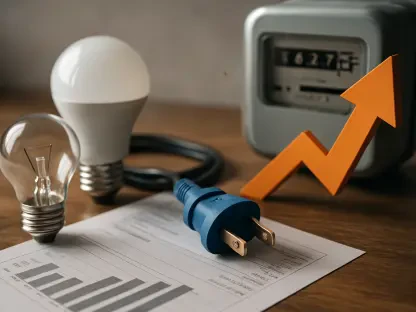

As residents across Indiana brace for increasingly volatile weather patterns, the unwelcome surprise of a skyrocketing electric bill has become a pressing concern, prompting state lawmakers to seek a legislative solution for greater financial predictability. In a significant move toward consumer protection, the Indiana House has advanced a bipartisan bill designed to modernize the state’s utility regulations and shield households from the sharp fluctuations in energy costs that have strained budgets. House Bill 1002, which recently passed unanimously in the House utilities committee, represents a collaborative effort to address the affordability of essential electric services. The legislation aims to restructure how investor-owned utilities plan and implement their rates, shifting from reactive adjustments to a more proactive, long-term approach. This initiative has garnered support from both sides of the aisle, including an endorsement from Governor Mike Braun, who emphasized the need for accountability in providing affordable energy. The core of the bill focuses on creating a more transparent and stable environment for consumers, ensuring that they are not left in the dark about their upcoming energy expenses, particularly during seasons of high demand.
Modernizing Utility Oversight
A Shift Toward Multi-Year Planning
A central pillar of the proposed legislation is the transition to a mandatory three-year rate plan for electric utility companies, a strategic move intended to inject much-needed stability into consumer billing cycles. Under this new framework, utilities would be required to submit comprehensive rate plans for state approval every three years, replacing the more frequent and often unpredictable adjustments that currently exist. The bill’s author, Republican Rep. Alaina Shonkwiler, has championed this provision as a dual benefit, arguing that it not only offers customers a clearer forecast of their energy costs but also enhances regulatory efficiency. By consolidating the review process, state regulators can conduct a more thorough analysis of a utility’s long-term financial health and operational plans, ensuring rates are justified while maintaining rigorous oversight. This forward-looking approach is designed to eliminate the jarring rate hikes that can blindside families and businesses, instead fostering a system where costs are transparent and foreseeable over a significant period. This structured planning also facilitates a more robust public input process, allowing consumer advocates and residents to engage more effectively in the rate-setting discourse.
Bolstering Consumer Safeguards
Beyond establishing predictable rate structures, House Bill 1002 introduces crucial consumer protections aimed at preventing service disruptions during life-threatening weather conditions. A significant component of the bill is the creation of a summer disconnection moratorium, which would prohibit utilities from shutting off a customer’s electricity during periods of extreme heat. This measure mirrors the state’s existing winter rule, which provides similar protections during cold weather months. However, lawmakers are still actively debating the precise mechanism for triggering this moratorium. One proposal suggests a fixed time period, offering a clear and consistent window of protection each summer. An alternative approach would link the moratorium directly to heat emergencies declared by the National Weather Service, ensuring the safeguard is activated specifically during the most dangerous weather events. This debate highlights the careful consideration being given to balancing consumer safety with utility operations. The consensus is clear that such a protection is necessary to prevent a public health crisis, ensuring vulnerable residents, including the elderly and those with medical conditions, maintain access to critical cooling during severe heatwaves.
Navigating Bipartisan Negotiations
The Path to Political Consensus
The advancement of the bill was marked by significant bipartisan collaboration, a crucial element in addressing an issue that affects all Hoosiers regardless of political affiliation. While the legislation enjoys broad support, its passage through the committee was not without negotiation. Democrats, led by figures like Rep. Matt Pierce, initially raised concerns but ultimately supported the bill after a Republican-led amendment addressed some of their key issues. This spirit of cooperation underscores the shared understanding that rising energy costs require a unified legislative response. Governor Mike Braun’s endorsement further solidified this consensus, framing the bill as a necessary step to hold investor-owned utilities accountable for their role in providing an essential public service. The ongoing dialogue between lawmakers and the Indiana Energy Association continues to refine the legislation, with future amendments expected to mandate greater transparency on customer bills. These additions are likely to include features such as energy usage alerts and a clear display of the total outstanding balance, empowering consumers with more information to manage their consumption and finances effectively.
A Look at Future Considerations
The legislative process revealed a divide on several proposed consumer relief measures, signaling areas that may be revisited in future sessions. During committee discussions, Democrats introduced amendments aimed at providing more comprehensive financial protection for customers, though these proposals ultimately failed to pass. One such measure sought to prevent outstanding utility bills from negatively impacting consumers’ credit scores, a provision intended to protect the financial standing of those struggling with high energy costs. Another defeated amendment aimed to prohibit utility companies from charging fees for service disconnection and reconnection, arguing that such penalties disproportionately affect low-income households. While these specific proposals were not included in the current version of the bill, their introduction brought important issues into the legislative conversation. The debate highlighted different philosophies on how to best balance consumer relief with the financial stability of utility providers, and it set the stage for continued advocacy on these fronts as Indiana’s energy landscape continues to evolve.